Summer fishing seasons come and go, each one dawning with a new set of regulations. The year-over-year changes are shaped by issues tackled by DNR fisheries personnel over a range of time. What follows is a summary of five of those issues, starting with the good fortune of an abundant walleye scene on Upper Red Lake.
Large lake boom
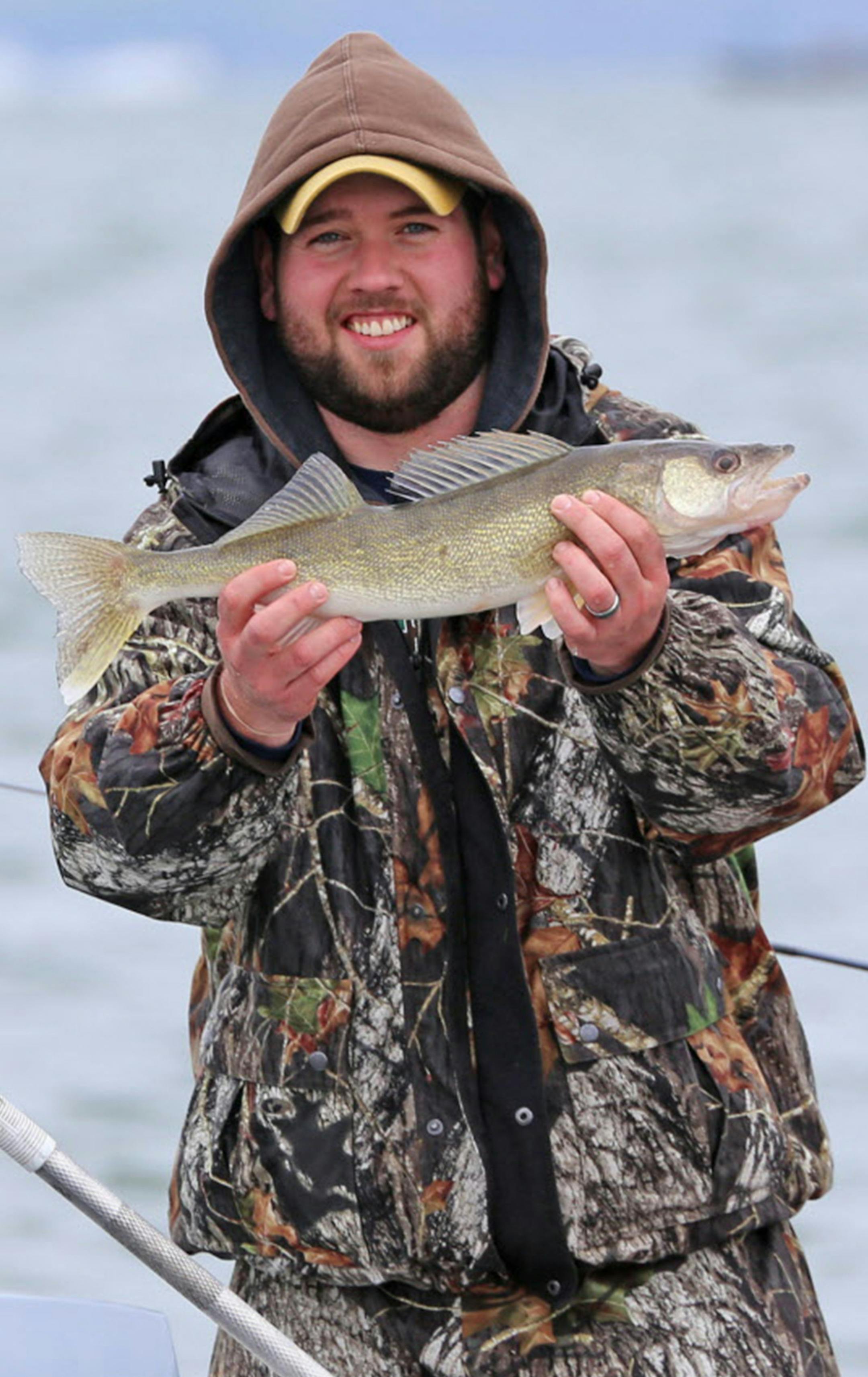
Upper Red Lake walleye anglers will be allowed to take four fish this season, including one longer than 17 inches. The increased bag limit is a success for the DNR's large lakes program, where fisheries managers around the state have been collaborating successfully on strategies to recoup and sustain healthy populations of the state fish.
Previously depleted by overharvesting, Red Lake's comeback began with a seven-year shutdown of sport and tribal fishing. Now there's so many spawning-age walleyes in the lake, they're competing with each other for needed space and forage, said Gary Barnard, area fisheries supervisor in Bemidji. Expanding Red's harvest will relieve the pressure and improve the survival rates of young fish, Barnard said.
Each of the 10 lakes in the large lakes program has its own story, but walleye news throughout the group has been mostly good. Leech Lake in Walker, for instance, has rebounded from a walleye shortage to the point where walleye stocking hasn't been needed for a couple of years. And at Lake Vermilion this season, the DNR has eased the slot restriction because recent harvests have been well within the safe-harvest range.
The other lakes are Lake of the Woods, Winnibigoshish, Cass, Rainy, Kabetogama, Pepin and Mille Lacs. Together they account for 40 percent of the state walleye harvest.
A key to the success has been to understand just how many spawners are needed for walleye to thrive in a given lake. Too many and baby fish become stunted from lack of food. Being too small for too long puts them at higher risk for predation.
Mille Lacs woes
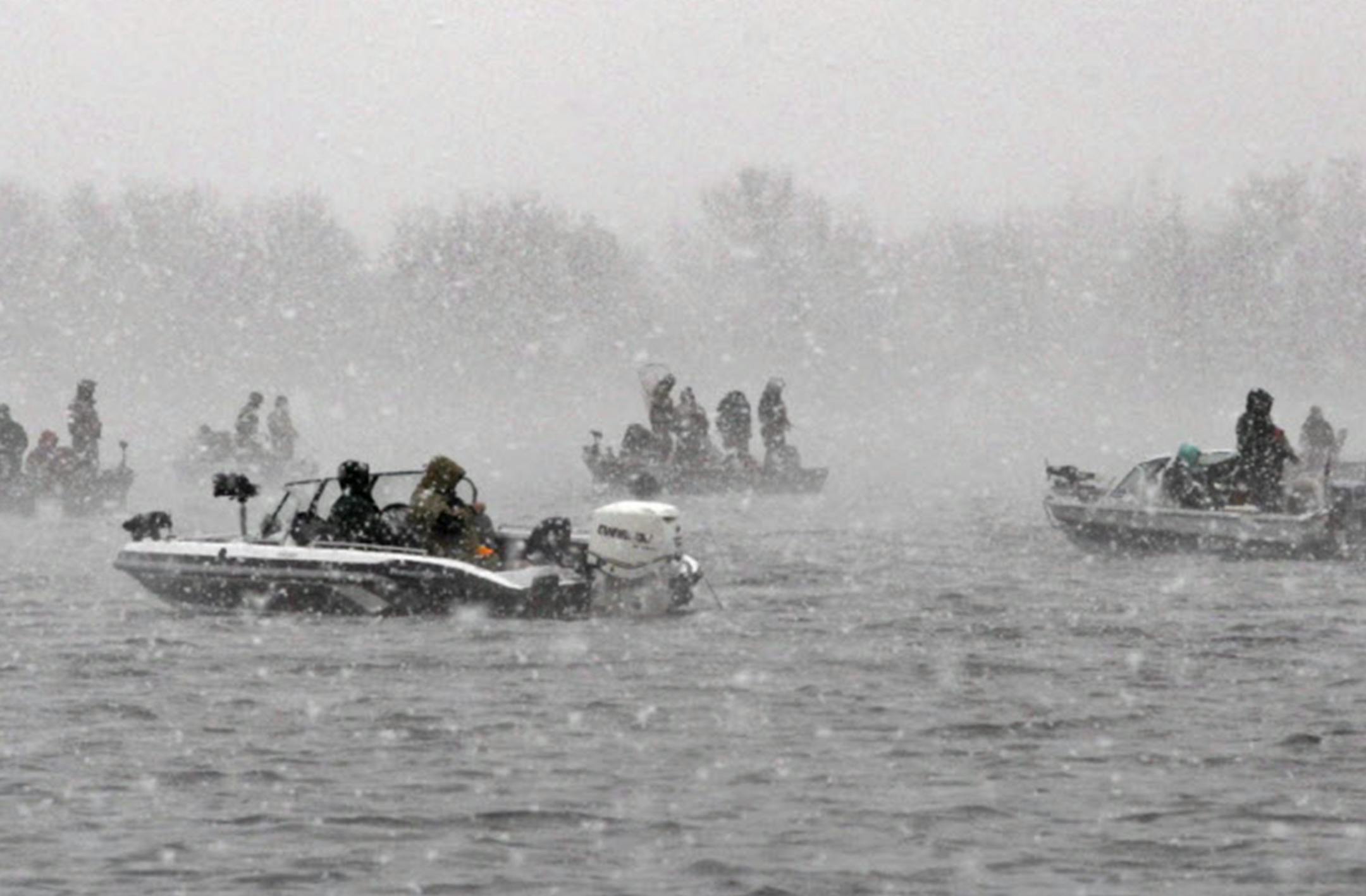
Wanting to extend summer catch-and-release walleye fishing for as long as possible this year, DNR fisheries managers have ordered a first-of-its-kind hiatus in July to keep anglers from exceeding a very limited 2017 harvest restriction. For Mille Lacs area businesses, it's nothing but a dim light in the corner of a gloomy room. The walleyes are biting, but anglers are staying away in droves because they can't keep any of the fish for table fare.
Mille Lacs will be closed to walleye fishing from July 7 to July 27. That's when hot weather worsens hooking mortality — the tendency for caught fish to die after being released. This summer's walleye allocation for state-licensed anglers is a slim 29,100 pounds. Estimated hooking deaths count against that cap. If needed, the DNR could surpass the 2017 allocation to keep walleye fishing open through Labor Day. But any overage would have to be offset by taking fewer fish in future seasons.