There's an architectural shift when you drive out of downtown on I-394. The buildings whether squat or soaring, have mass, solidity and a sense of permanence. They are built for stout and organized on a sensible grid. No one who begins buildings like those envisions a moment when they might come down.
As you thread your way towards the western suburbs, there's a not-so-subtle change in tack. You can't fault the buildings for brevity of height, so much as lack of conviction.
Star Tribune columnist, James Lileks described it much better than I last year when he wrote about the aging suburbs, where we can now have a kind of nostalgia for the defunct chain restaurants and big box stores as they change hands, sort of a, "Oh yeah, remember when that was a Bennigan's?" wistfulness.
This routine westward ho transition plagues every city, although it manifests at every compass point. It's not just the higgledy-piggledy city planning, but the feeling that it's all subject to a sell-by date.
I'm only an armchair architect, and nowhere close to an economics expert, so I offer no cures, merely an observation. It started as I was walking along the major business thoroughfare in Savannah (where I'm supposed to be hiding out another hideous winter, ha, the jokes on me), a city that ranks unusually high for urban layout.
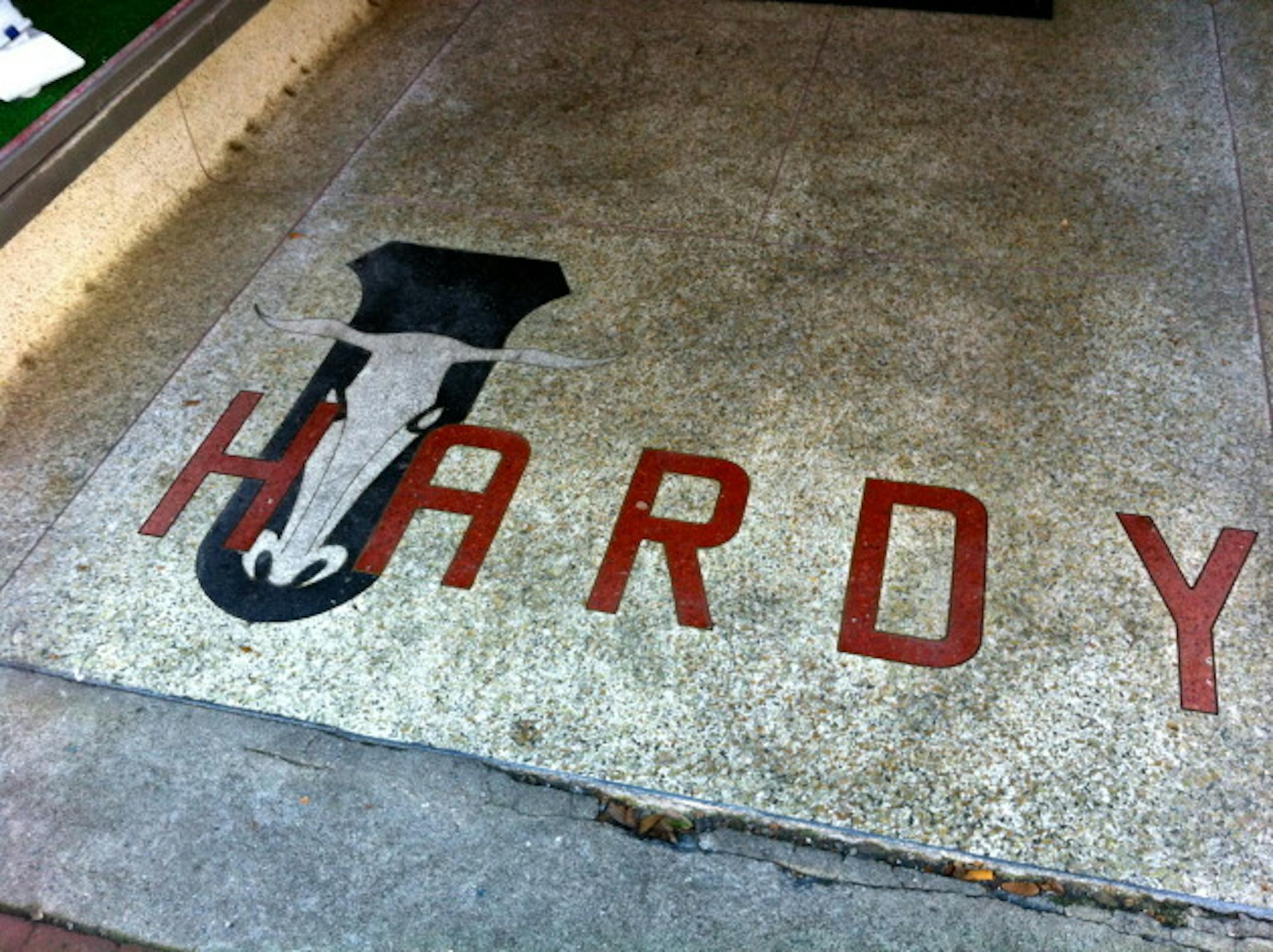
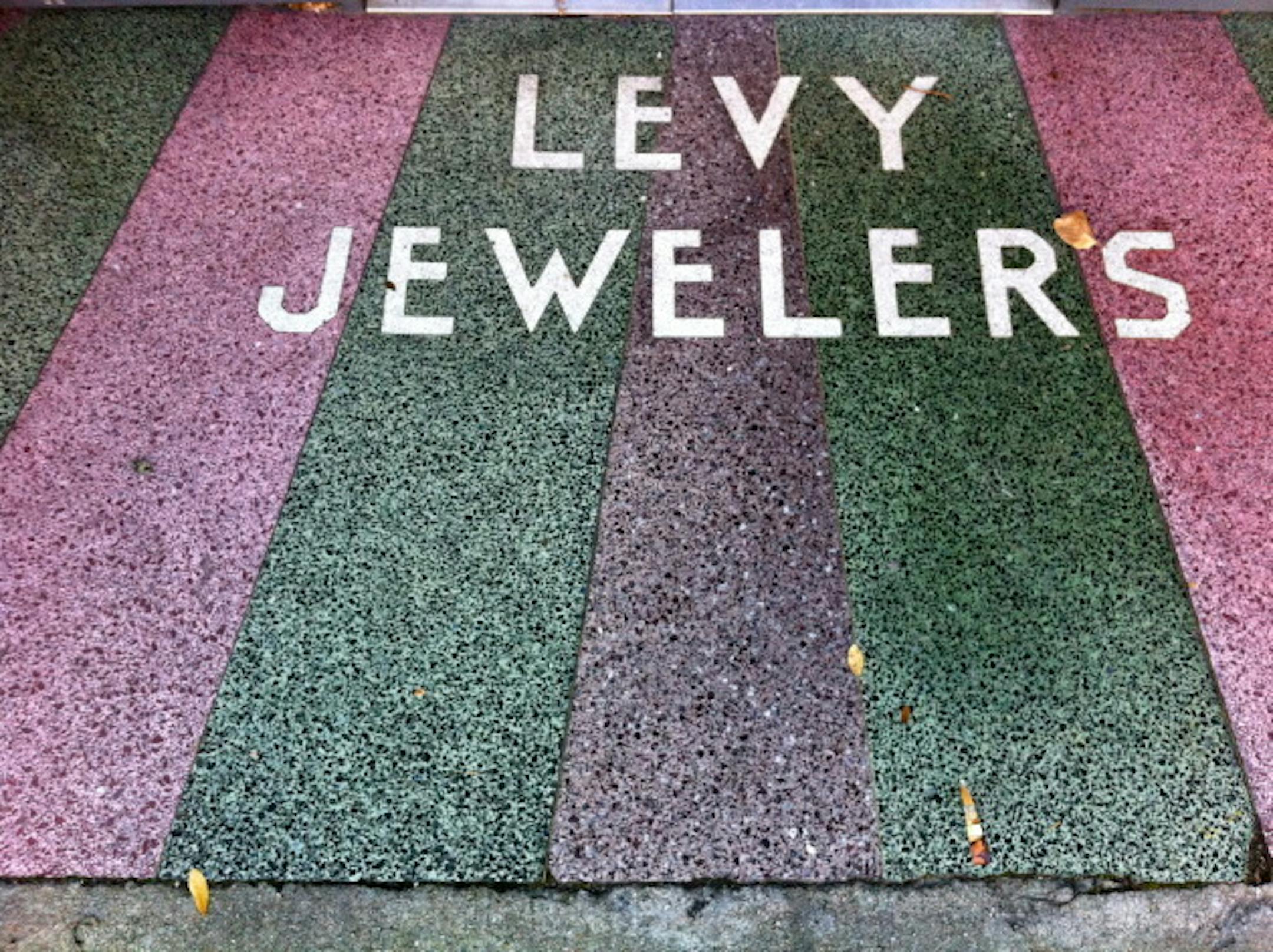
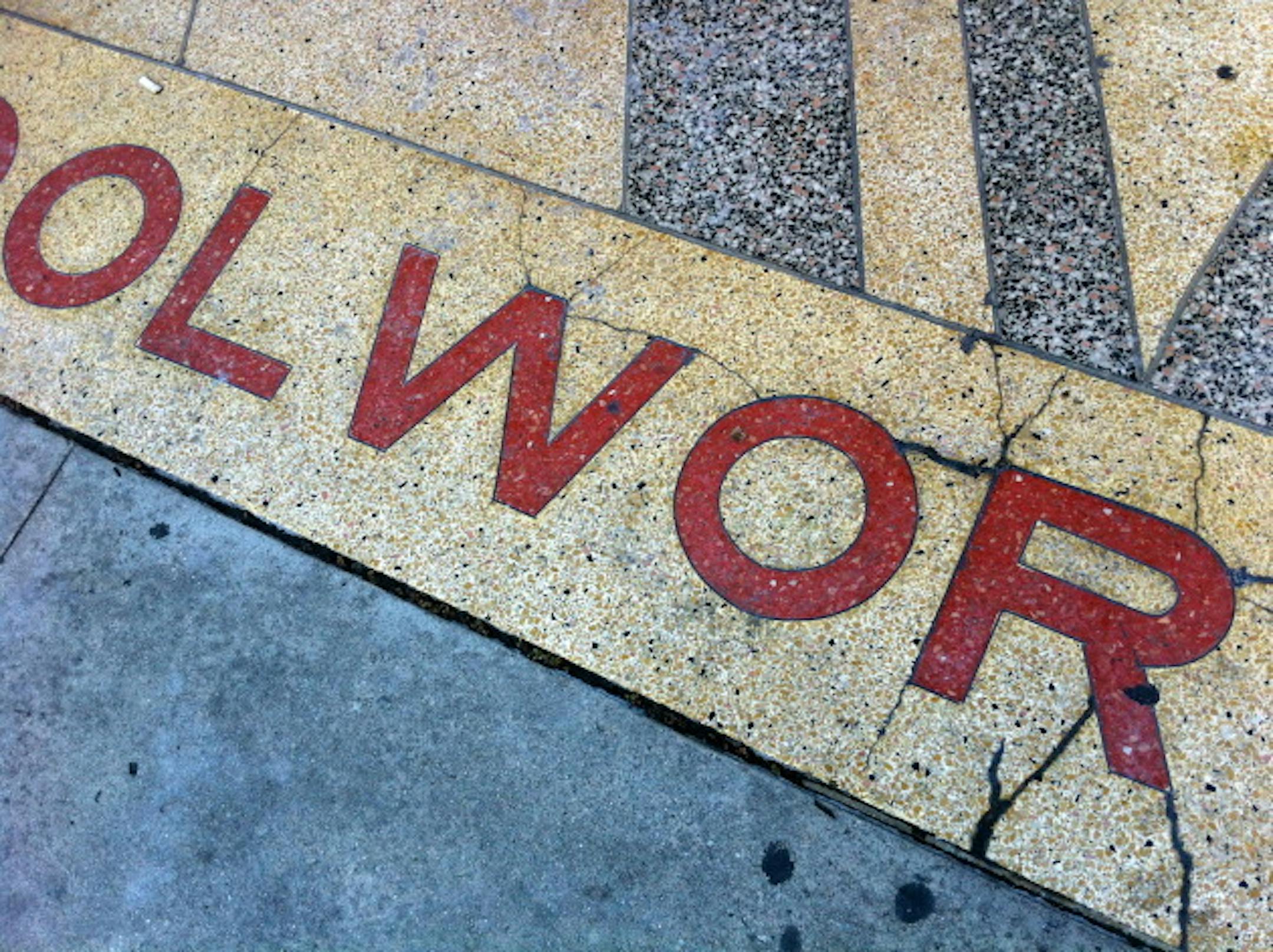
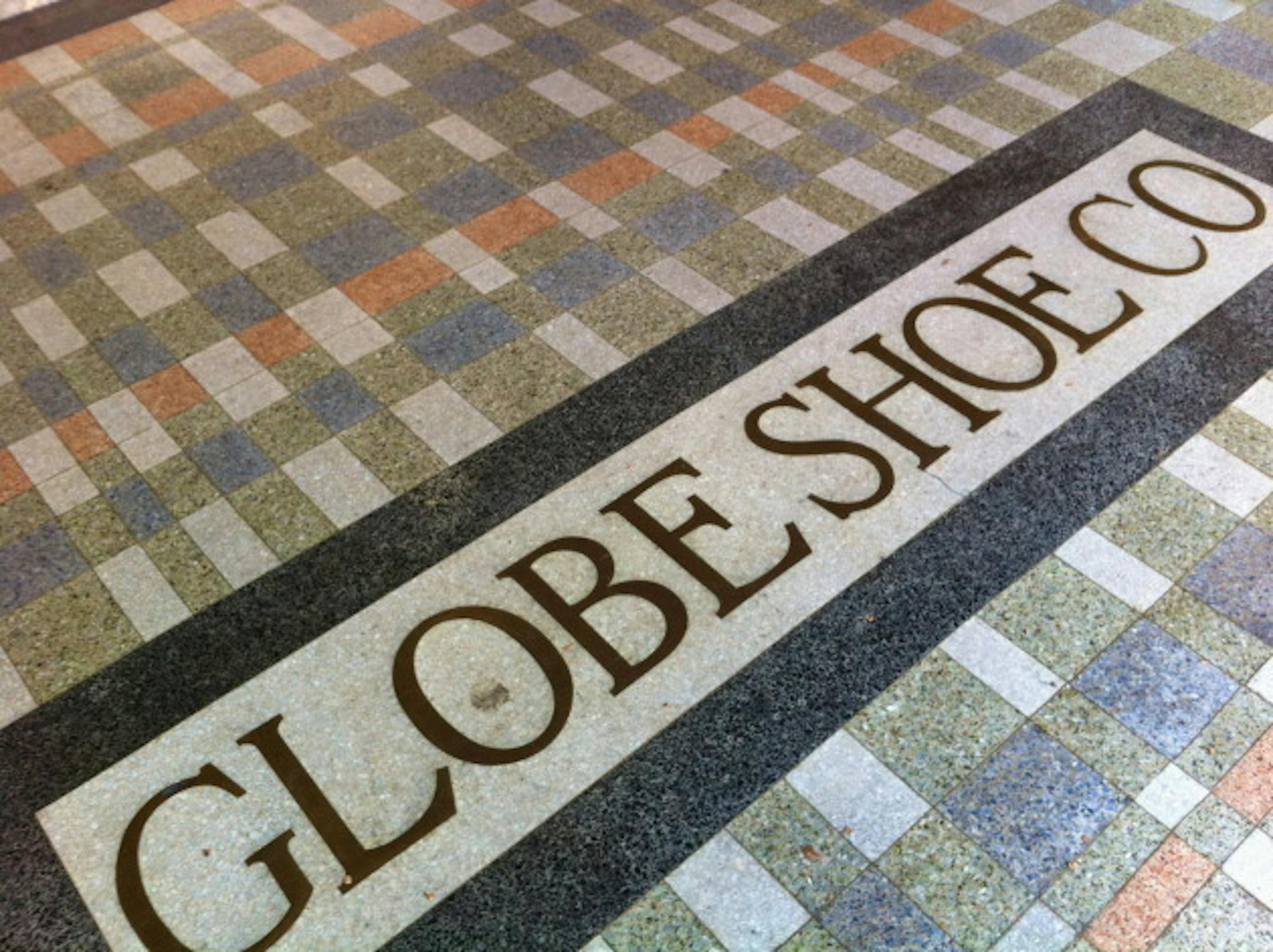
But this doesn't matter, because the point of my interest can be seen in any city's older business district. Not carved in stone, but close, they are the terrazzo entryways, speckled and polished, sometimes inlaid with brass lines forming intricate designs or store names. The most beautiful ones have a touch of art deco about them. They speak of a time when either the economic clime was way better or at least hopeful. No pessimist puts in a floor like this.
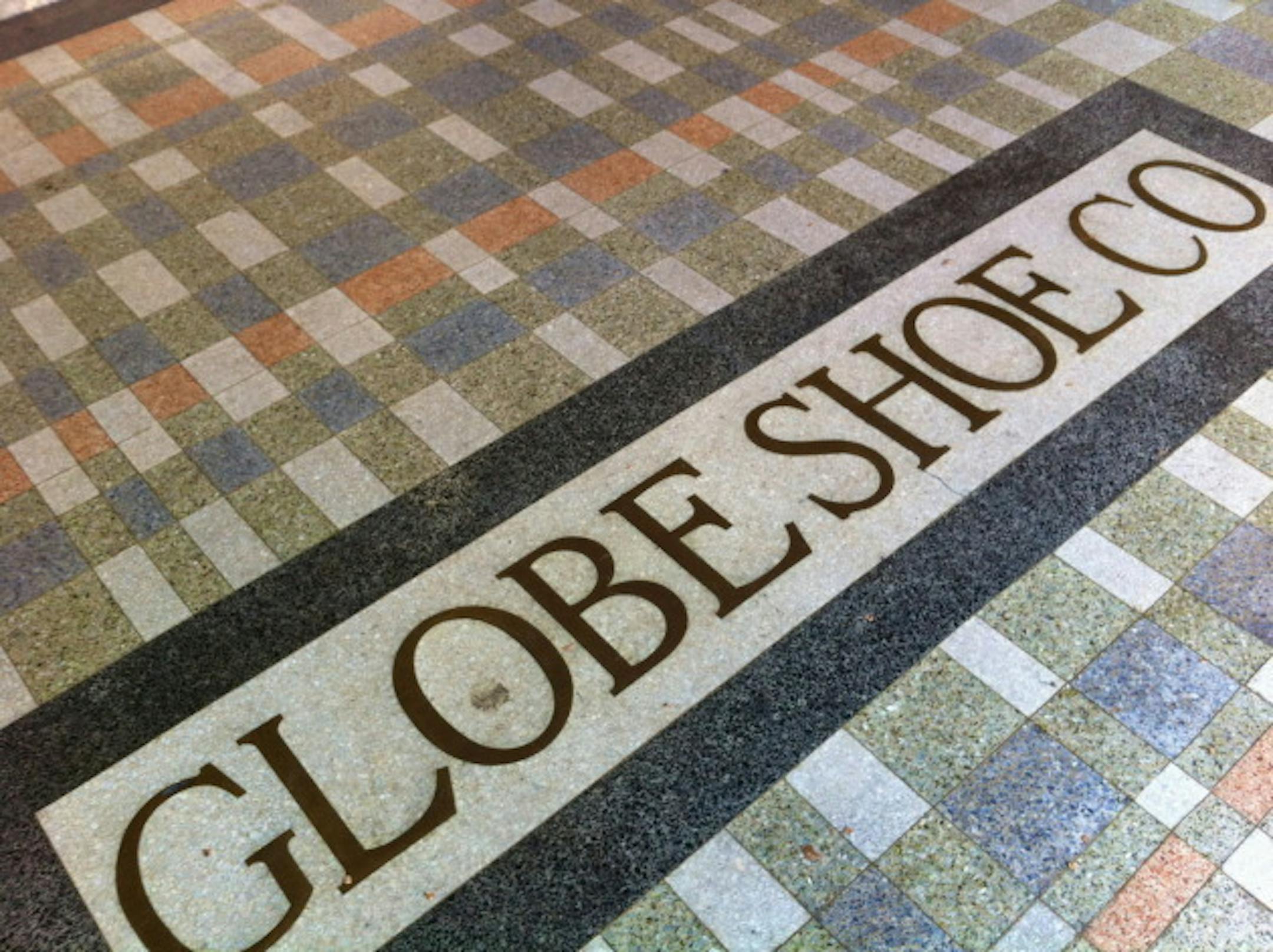
Terrazzo is one of those old but new again mediums. Ancient terrazzo consisted of marble chips, waste from grander construction bound together with clay and goat milk for sealer. In later times it has been made with cement and aggregate of quartz, marble and such, then ground and buffed for a matte shine. And for that reason it's a recycled sustainable material.
Nowadays terrazzo will get you LEED credits.