0:54
0:54LOS ANGELES – If there were ever a time for Oscar the Grouch to start dealing crack out of his trash bin, this is it.
The move of "Sesame Street" from PBS to HBO, a bombshell dropped last August, may have viewers worried that the series will abandon its Everything-Is-A-OK spirit to match the pay-cable channel's grittier image.
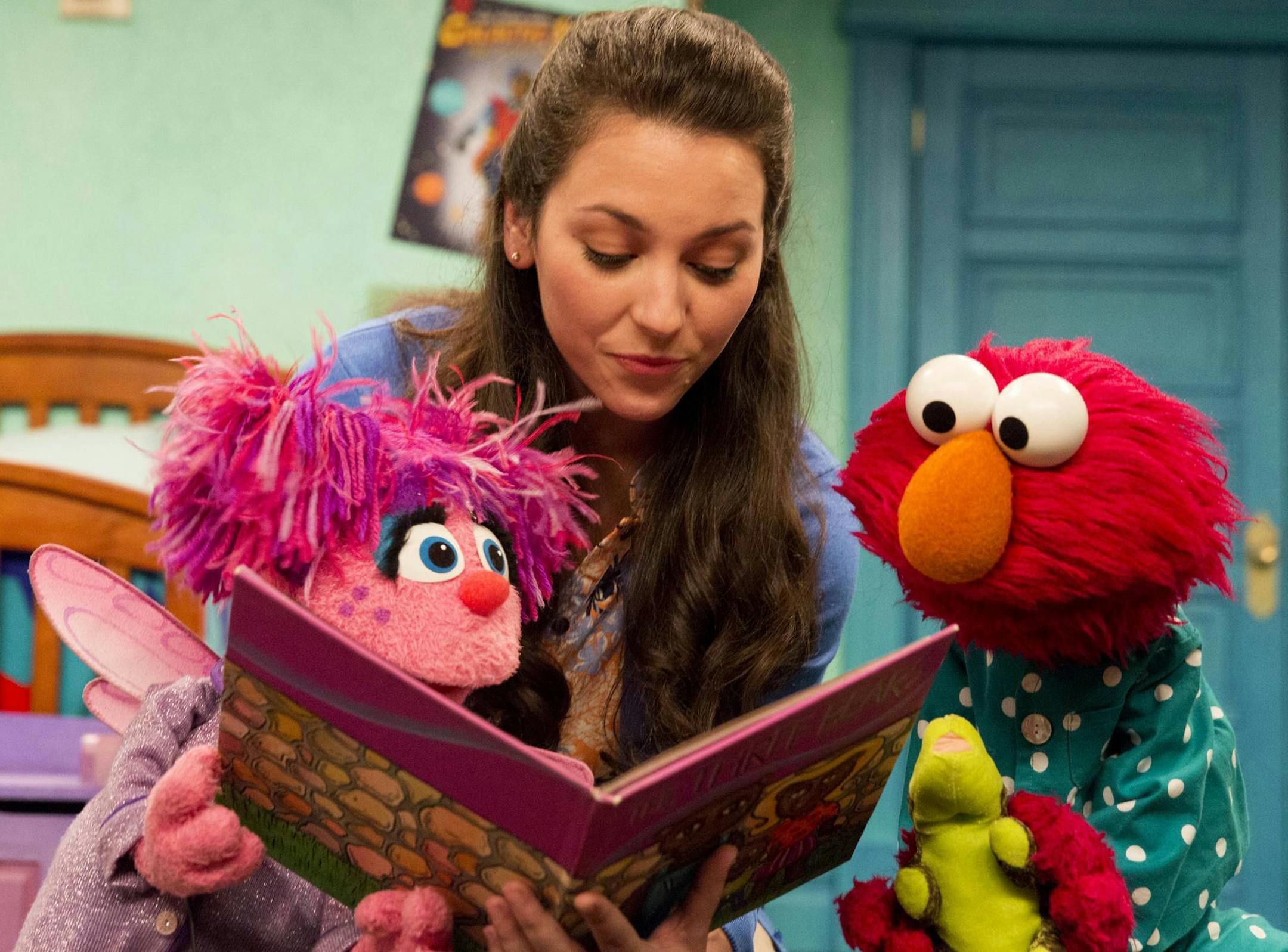
Rest easy. In the 46th season's first two episodes, premiering Saturday morning, the cameras sneak into the bedroom only to pick up sleeping tips from Elmo, Cookie Monster investigates the case of the missing ginger snap and the letter of the day is — spoiler alert! — "B."
In other words, a visit to the neighborhood remains as family-friendly as high tea with the Count.
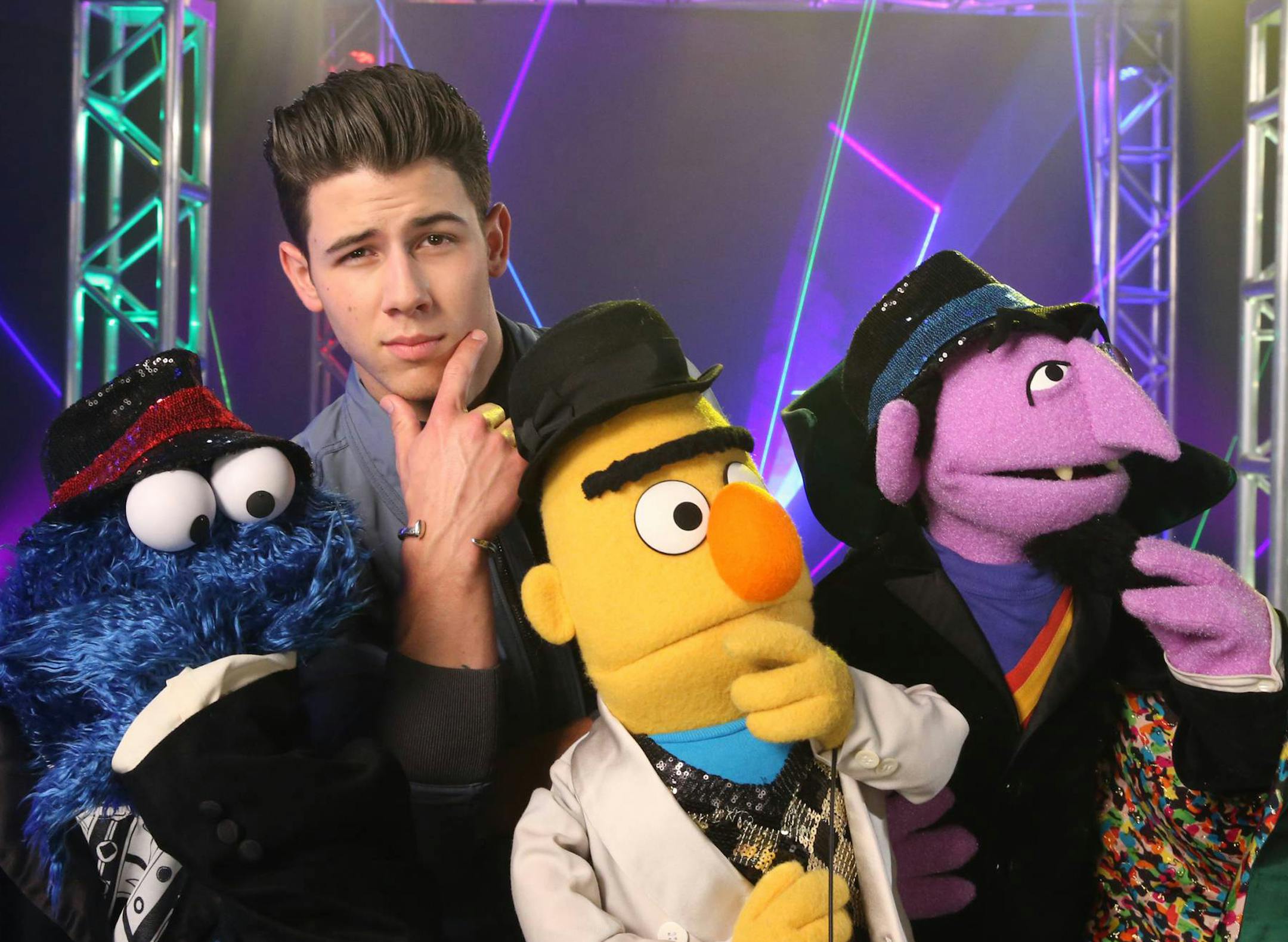
"Everyone is still coming to work with the goal to entertain and educate," said puppeteer Eric Jacobson, as a limp Bert covered his right arm, taking a power nap between posing for selfies at a cocktail party last week with giddy fans like Kerry Washington and Bobby Cannavale.
Drinks may not have been flowing if HBO hadn't taken over the lease. According to the Hollywood Reporter, "Sesame Street" lost $11 million in 2014, a significant number for a series with an annual budget of $40 million.
"Without this commitment from HBO, we would not have a sustainable funding model that would allow for the continued production of the show," Sesame Workshop CEO Jeff Dunn told the trade magazine.
The five-year contract gives the show security, as well as some nice caveats. Episodes will debut simultaneously on HBO Latino with dialogue dubbed in Spanish. The order calls for 35 half-hour episodes a season, which may seem like a downgrade from PBS' slate of 18 one-hour episodes. But the show has traditionally relied on recycled bits to fill time. Under HBO, each installment will consist of 100 percent fresh material.