For Norm Coleman, real live voters succeeded Tuesday where photocopied ballot envelopes had failed.
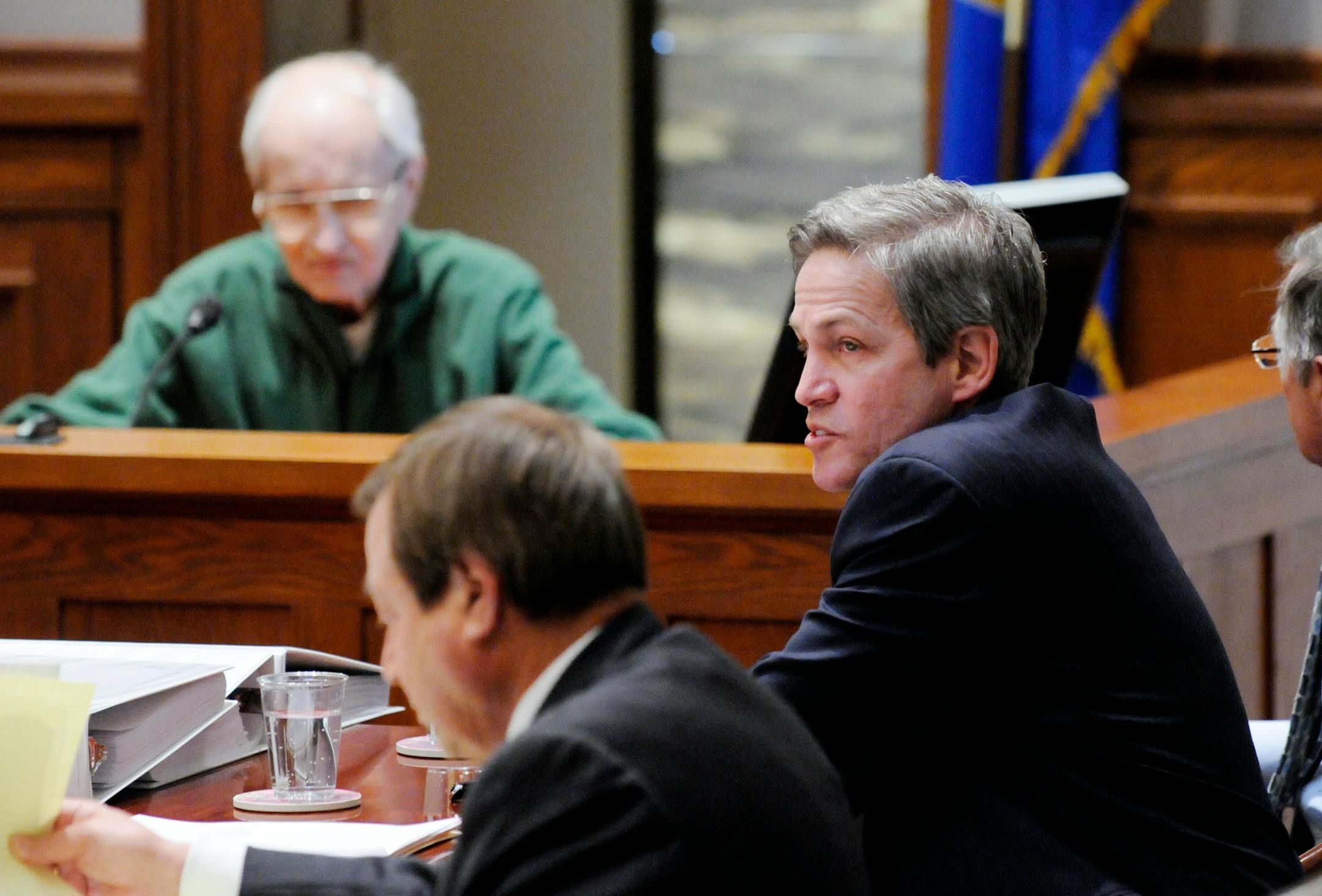
On Day 2 of the trial over Coleman's lawsuit challenging the U.S. Senate recount, lawyers for him and for Democrat Al Franken questioned a half-dozen voters whose absentee ballots were rejected, a group that was generally sympathetic and indignant that their ballots had not been counted. Coleman is focusing his efforts on counting thousands of rejected absentee ballots in an effort to overcome the 225-vote Franken lead that was certified this month after the recount concluded.
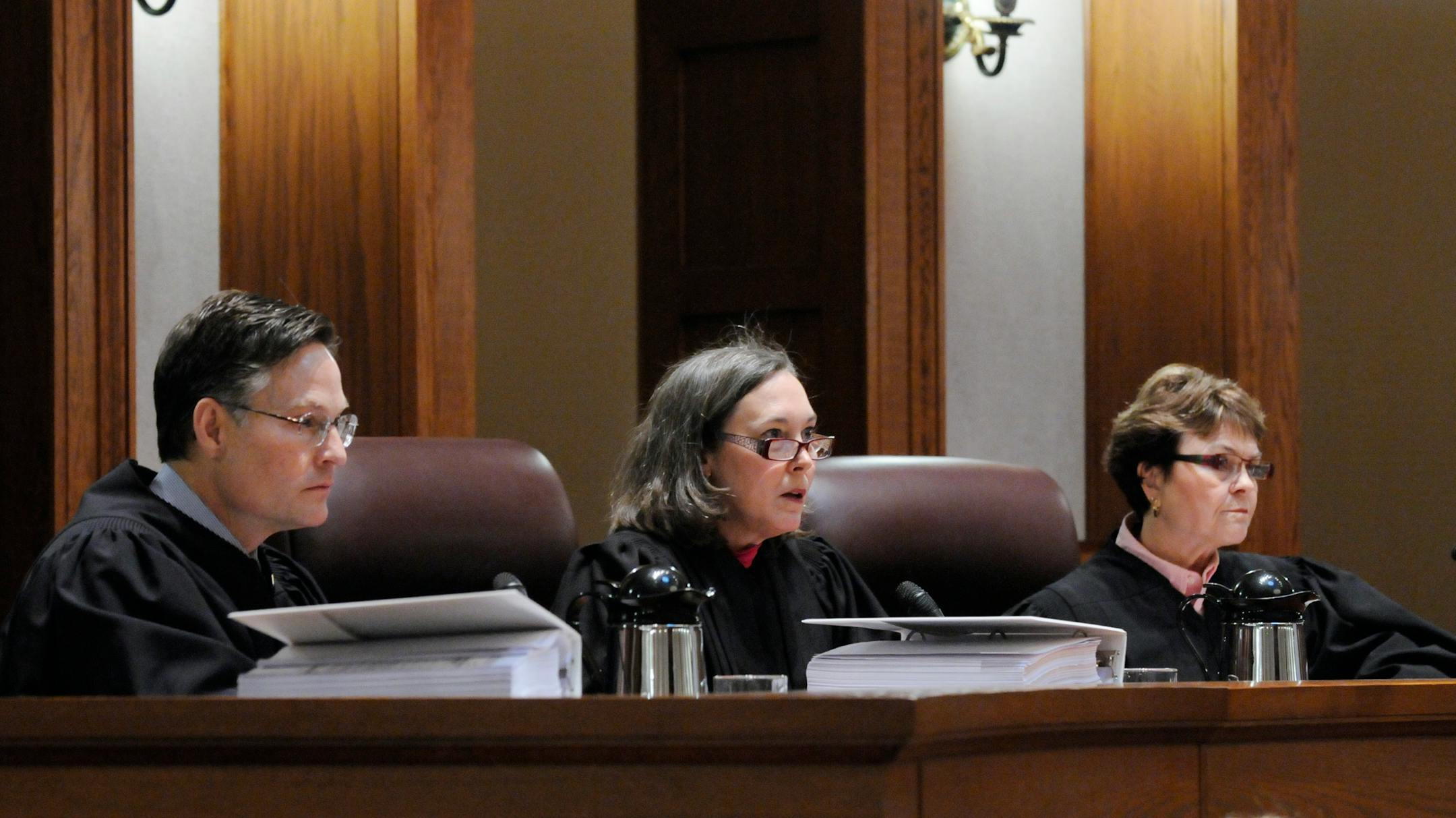
On Monday, the panel refused to allow Coleman to introduce photocopies of rejected absentee ballot envelopes that had been marked or inaccurately copied by his campaign workers. The judges demanded to see originals of any rejected-ballot envelopes used as evidence, and spent much of Tuesday huddling with the campaigns to devise a system for bringing originals from Minnesota counties to the court at the Minnesota Judicial Center in St. Paul.
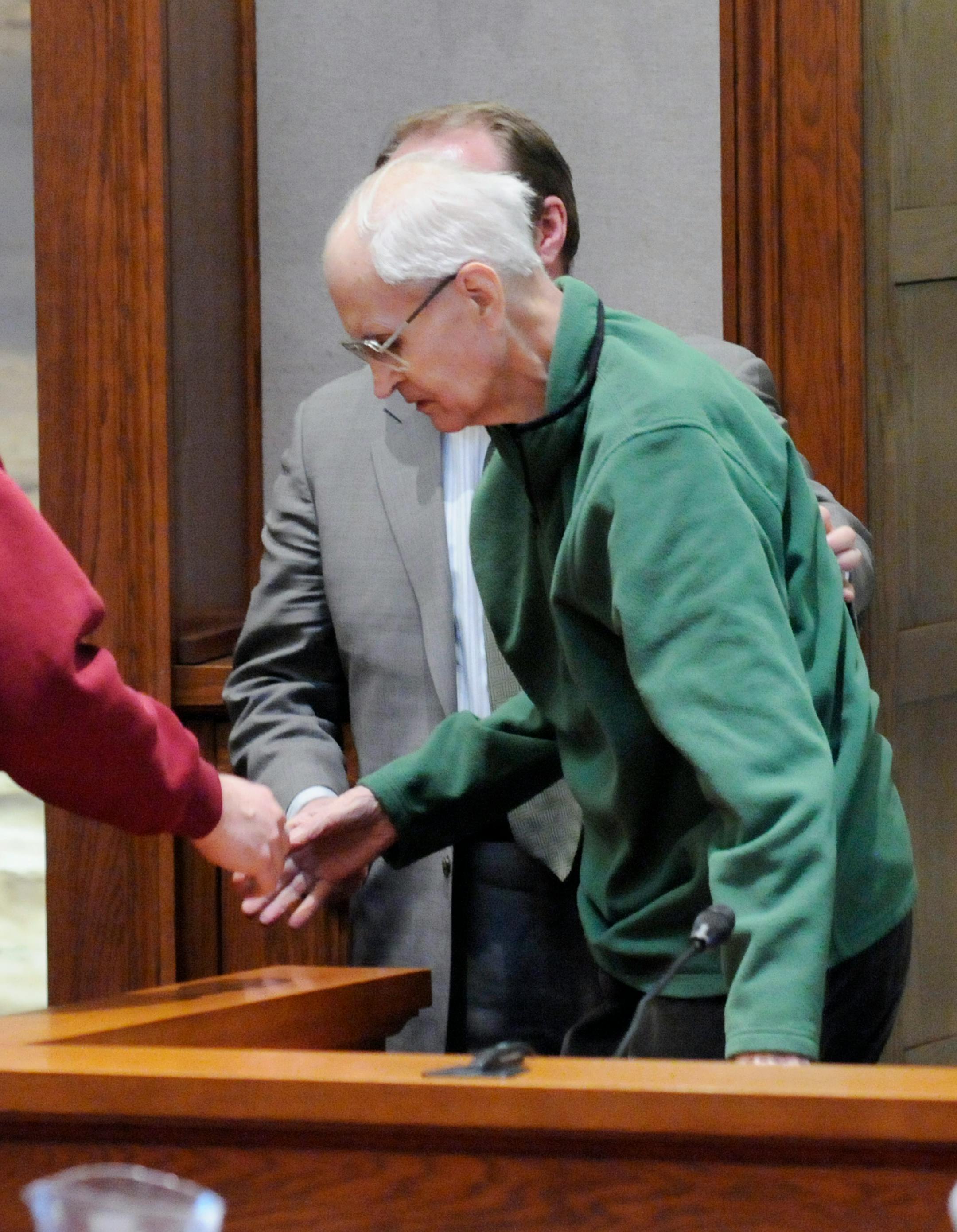
The Coleman campaign put a face on the rejected absentee ballots it wants counted by calling on 75-year-old Gerald Anderson, of St. Paul.
Anderson, who is blind and walked to the witness stand with a cane, said he voted absentee in the November election but found out only about a week to 10 days ago from the Republican Party that his ballot was rejected.
"I first voted for [President Dwight] Eisenhower," said Anderson. He said his ballot was rejected "for no good reason," adding, "perhaps my signature is not quite as good as it once was. ... Things have changed a little bit."
"My vote's worth nothing anymore. Maybe I'm worth nothing -- I don't know," he said. "I'm entitled to my vote."
Anderson was among the half-dozen absentee voters who testified Tuesday in the Coleman campaign's move to have thousands of rejected ballots reviewed.