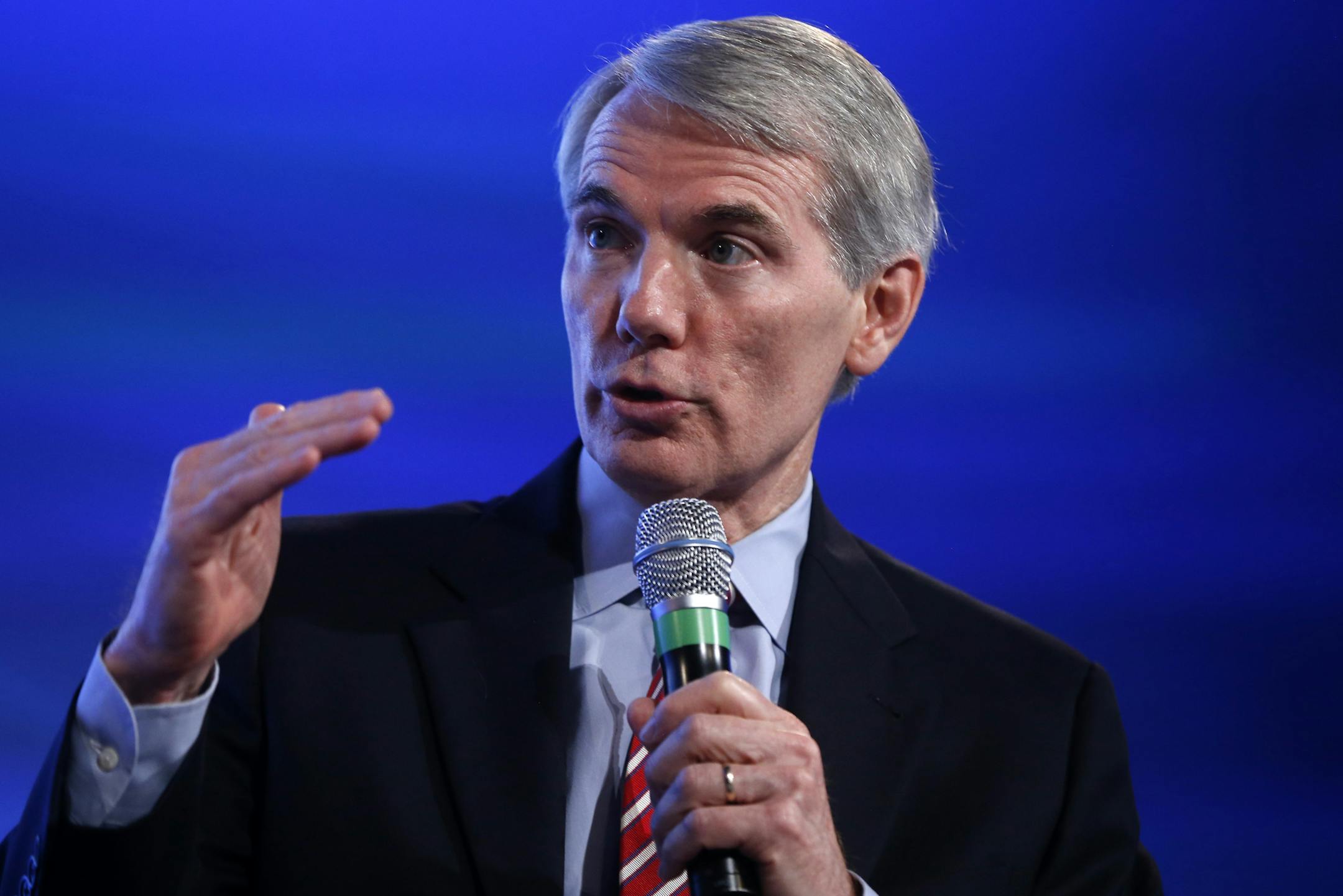
WASHINGTON – Nobody thought the bill sponsored by Republican Rob Portman of Ohio and Democrat Jeanne Shaheen of New Hampshire was anything more controversial than a modest effort to encourage energy savings in new homes and older commercial buildings.
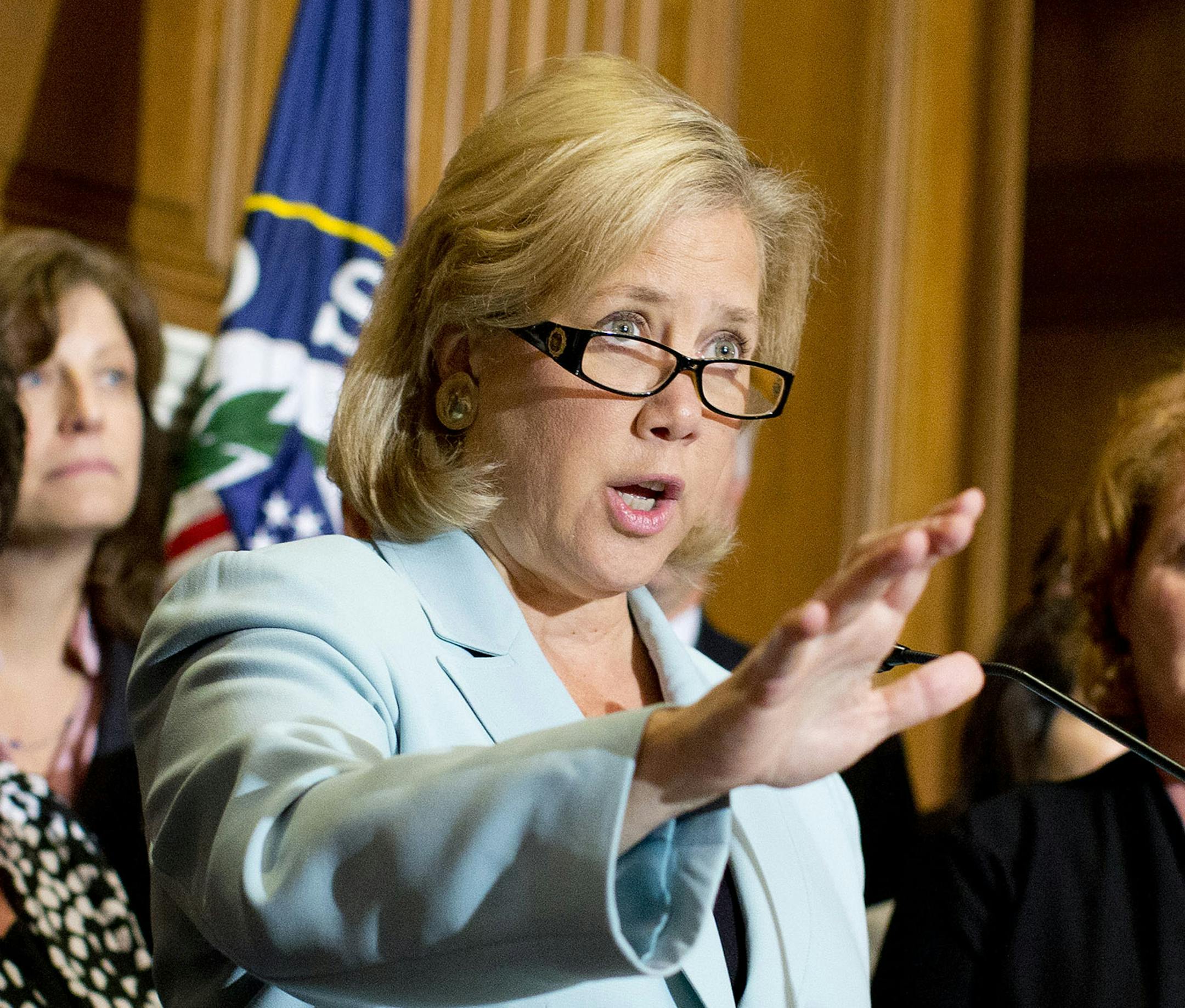
Yet despite having more than enough votes to pass, the bill collapsed in May because of a lethal blend of Republican delaying tactics and Democrats' reluctance to cast unpopular votes. By evening's end, a discouraged Sen. Mary Landrieu, D-La., complained, "It's a shame that all the hard work that's gone into this basically ended in a draw."
It was yet another example of why the Senate seems so paralyzed. On the same floor where legislators once approved epic laws guaranteeing equal rights for African-Americans and cleaning the nation's air, today's Senate features acrimonious debates that often involve such opaque phrases as filibuster, cloture, unanimous consent and fill the tree.
This is more than politics as usual. The Senate's inability to pass meaningful legislation is reaching historic levels. It's not just controversial bills, such as the plan to build the Keystone XL pipeline from Canada, that get buried. Among the bills the Senate failed to approve was an extension for another year of about $85 billion in tax breaks, including the $250 deduction for teachers who foot the bill for classroom expenses, and mortgage debt forgiveness for people with negative equity in their homes.
'D.C. is so messed up'
"I'll be frank with you," Portman said. "When I go home and talk about this issue … there's not a whole lot of interest in this because people's sense is D.C. is so messed up."
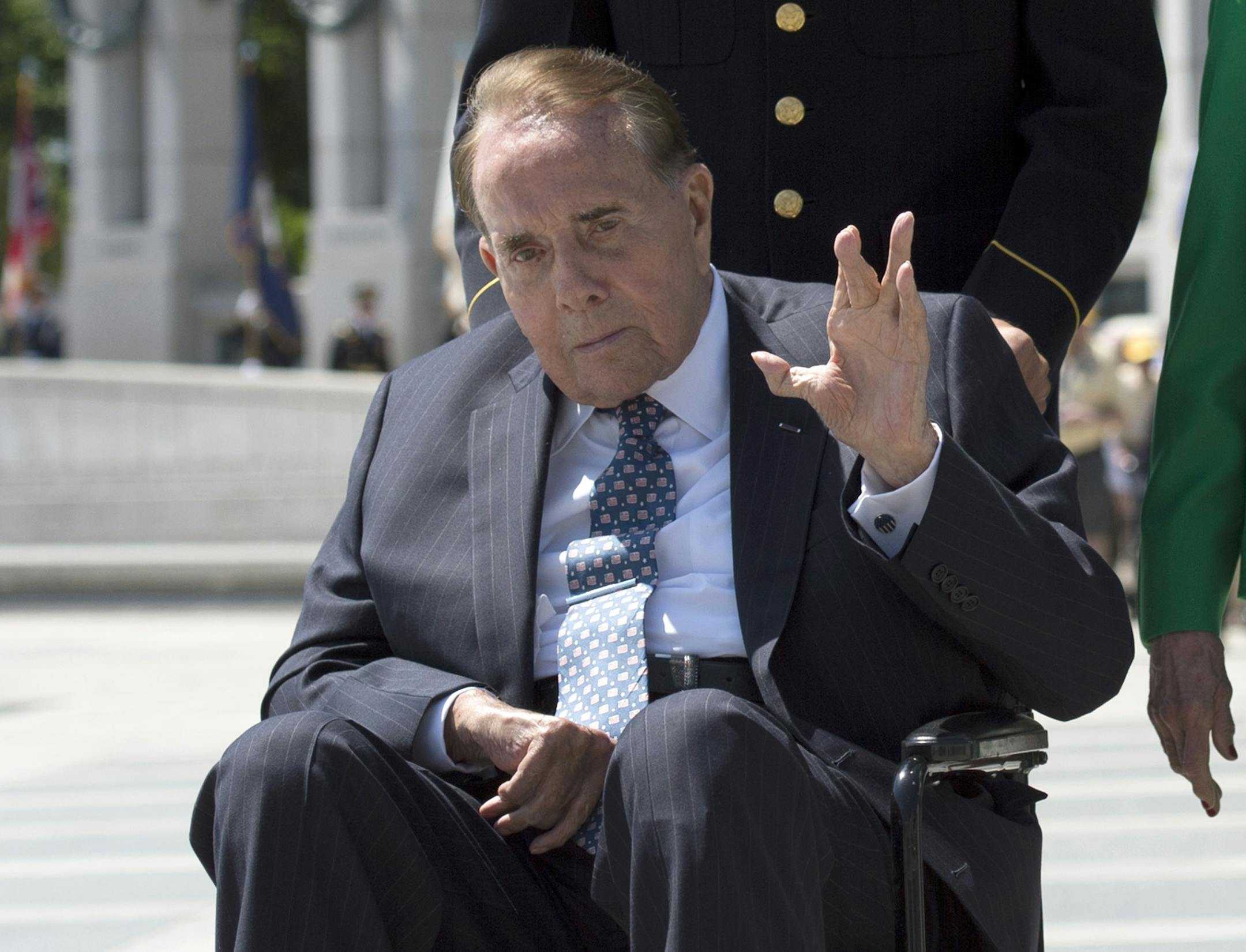
Each political party accuses the other of firing the first shot. "Republicans are filibustering on steroids," said James Manley, a former aide to Senate Majority Leader Harry Reid, D-Nev. By contrast, Walt Riker, a onetime adviser to former Senate Majority Leader Bob Dole, R-Kan., complained "this version of the Democratic Party is the most partisan political force in my lifetime."
But a quarter-century of slippery steps to the bottom by both political parties has led to the current impasse, prompting Sarah Binder, a senior fellow at the Brookings Institution in Washington to say "there is no innocent party."
Not only are Republicans and Democrats divided ideologically between conservatives and liberals, but the comity that once existed — Dole and Sen. Robert Byrd, D-W.Va., made a point of shaking hands at the end of every session — seems a quaint relic from another era.