

A group of DFL senators said Wednesday that they hope to revive rural and small-town economies in Minnesota by linking together a series of bills to boost worker training, deliver more workforce housing, incubate new businesses and greatly expand broadband internet access.
Together, the initiatives if made law would total nearly $200 million in additional state spending over two years.That puts them in competition with a whole raft of other possible uses of the state's current $1 billion surplus, but the senators said there should be enough to go around and that the state's struggling rural economy needs attention.
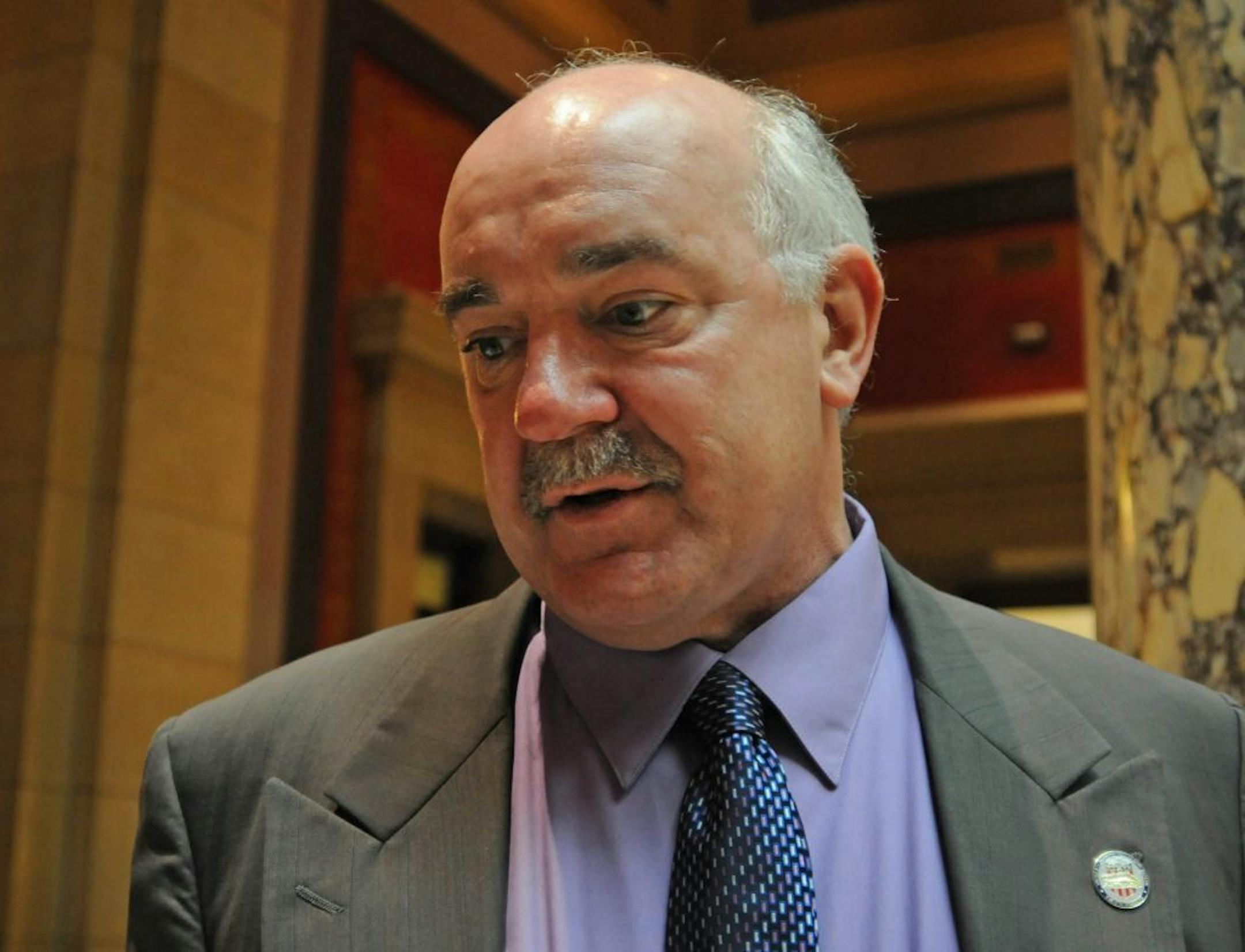
"We're not just throwing money at the problem," said Sen. David Tomassoni, DFL-Chisholm. "We're trying to fix a problem with money."
Challenges facing rural Minnesota have been at the top of the legislative agenda this year, after a November election in which 10 Republicans unseated DFL House members from rural districts. Of the five senators at Thursday's Capitol news conference, two represent districts where both House members are Republicans. That dynamic looms large for senators as they face re-election in 2016.
But the senators said their initiatives aim to address real economic dilemmas facing Minnesota's small towns and rural areas. Their proposals include:
- $27 million for new career counselors at workforce development centers in rural Minnesota.
- $50 million in tax credits aimed at generating private investment to build housing for workers. The money would help establish an "Office of Workforce Housing" charged with distributing the tax credits.
- $40 million for grants to small communities for public infrastructure, to attract new businesses or help existing businesses expand.


