

Opinion editor's note: Star Tribune Opinion publishes a mix of national and local commentaries online and in print each day. To contribute, click here.
•••
No one wants to go to the store wondering if the items on their shopping list are on the shelf or stuck in transit, and no one wants to go on a scavenger hunt for the right products at fair prices. Unfortunately, that has been the experience of too many Minnesotans.
One of the major causes of rising prices and supply chain issues has been the foreign-owned ocean carriers responsible for moving products across the country and around the world. I have heard countless stories from businesses and farmers throughout our state who have struggled to get their goods to market because of the unreliable service and exorbitant fees from shipping carriers.
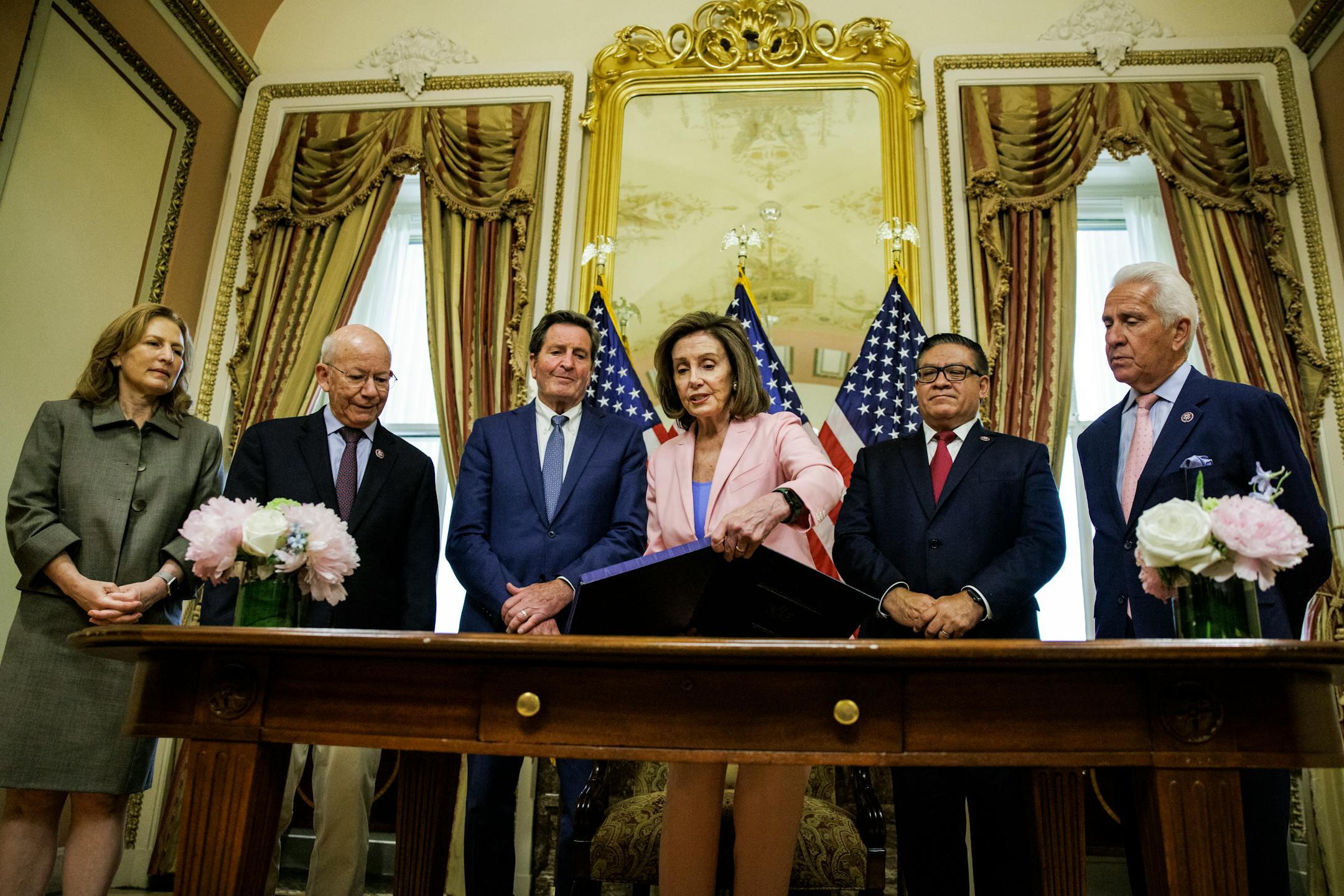
This anticompetitive behavior has gone unchecked for decades — but not for much longer. This week, my bipartisan bill, the Ocean Shipping Reform Act, passed the U.S. House and will be signed by the president, meaning we will soon have some tools to fight back.
From 2019 to 2021, the cost of exporting goods to Asia increased fourfold for American businesses, and over the past two years, the cost of importing goods from Asia increased by as much as 10 times. Those price hikes on our exporters and consumers were accompanied by astoundingly unreliable service. Shipments were riddled with delays, and exporters were repeatedly slapped with unexpected fees that could not be disputed. In too many cases, it was clear that the shipping carriers were leaving ready-to-ship goods at American ports in favor of imports from other countries.
At the same time, ocean carriers reported record profits. It's estimated that the container shipping industry brought in a record $190 billion in 2021, a sevenfold increase from the previous year. Their financial performance clearly isn't a result of improved service. They have simply been fleecing shippers because they know they can get away with it. Our exporters have had little recourse. Many told me they were afraid to speak out about their frustrations for fear of being retaliated against.
To make matters worse, the carriers have banded into alliances, so exporters can't negotiate for fair prices and treatment with individual firms. They have to play by the alliances' rules. And since just three of the alliances control 80% of global shipping, exporters have almost no leverage. As bad as service has gotten, American exporters have been forced to play ball with the alliances because if they can't get their goods to market, they are out of business. Ultimately, that burden gets passed onto consumers — in the form of unstocked shelves and higher prices.


