

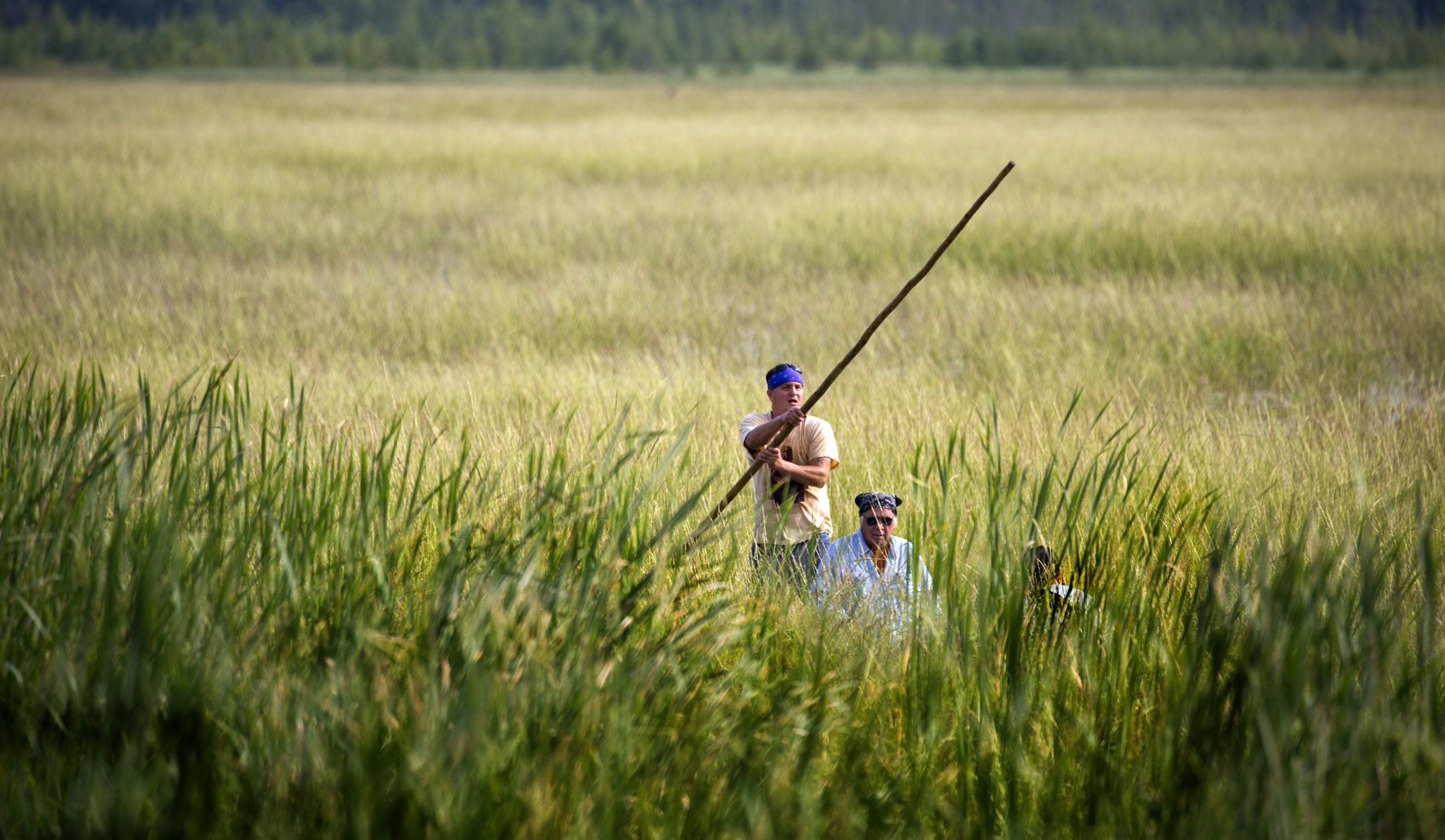
The Washington lobbyist for the Leech Lake Band of Ojibwe flew this month to Japan with 10 pounds of wild rice, displaying them alongside offerings of salmon from Alaskan tribes and olive oil and wine from California Indians.
He was on a mission to find importers at Foodex, the largest food show in Asia.
"It could be an economic boom for the reservation," said Richard Robinson, division director of the tribe's Division of Resource Management.
Leech Lake is moving to expand its wild rice harvest from a sporadic enterprise involving mostly tribal members to a full-fledged business with international reach. Leech Lake has hired a marketing specialist and is going to food shows to talk up the savory and nutritional qualities of the rice that grows on tribal waters. It's backed by a $250,000 grant from the U.S. Department of Agriculture (USDA) under a program that helps smaller food producers grow their business.
It might seem odd to try to make money by exporting rice to Japan. While Japan is one of the largest export markets for rice produced in the U.S., unfavorable trade policies and declining demand from an aging population pose challenges to domestic rice producers sending their goods there.
But Andy Burmeister, the lobbyist, said wild rice isn't actually classified as rice in the market — rather, it's an aquatic grain because it grows in bodies of water, and it is subject to fewer export restrictions.
"Our stuff is something different," he said.
As the Ojibwe story goes, tribal people were told to migrate west until they came upon "the food that grows upon the water." Wild rice, called manoomin, is sacred on Leech Lake. Every fall, residents go out on canoes to harvest the rice, selling much of it to the tribal government for up to $2 a pound.


