

Minnesota so far has escaped measles infections at a time when the country has seen more than 700 cases, the highest number in the past 25 years. But health officials here know that the seeds of an outbreak could be just a plane ride away.
The highly infectious disease is resurgent globally, and travelers from other countries have sparked 13 outbreaks and a scattering of isolated cases across 22 states, including Michigan, New York and California.
Measles was declared eliminated in the United States in 2000 by the Pan American Health Organization, meaning that an outbreak can't start until an infected person imports the virus and spreads it to those who lack immunity.
That's what happened here in 2017, when a measles outbreak sickened 75, including many in the Somali-American community, where just 40% of young children had received the measles, mumps and rubella (MMR) vaccine.
Although many parents chose to get the shot for their children during the outbreak, recent tracking data indicate that measles vaccination rates have dropped to pre-outbreak levels for kids aged 24 to 36 months among Somali-Americans.
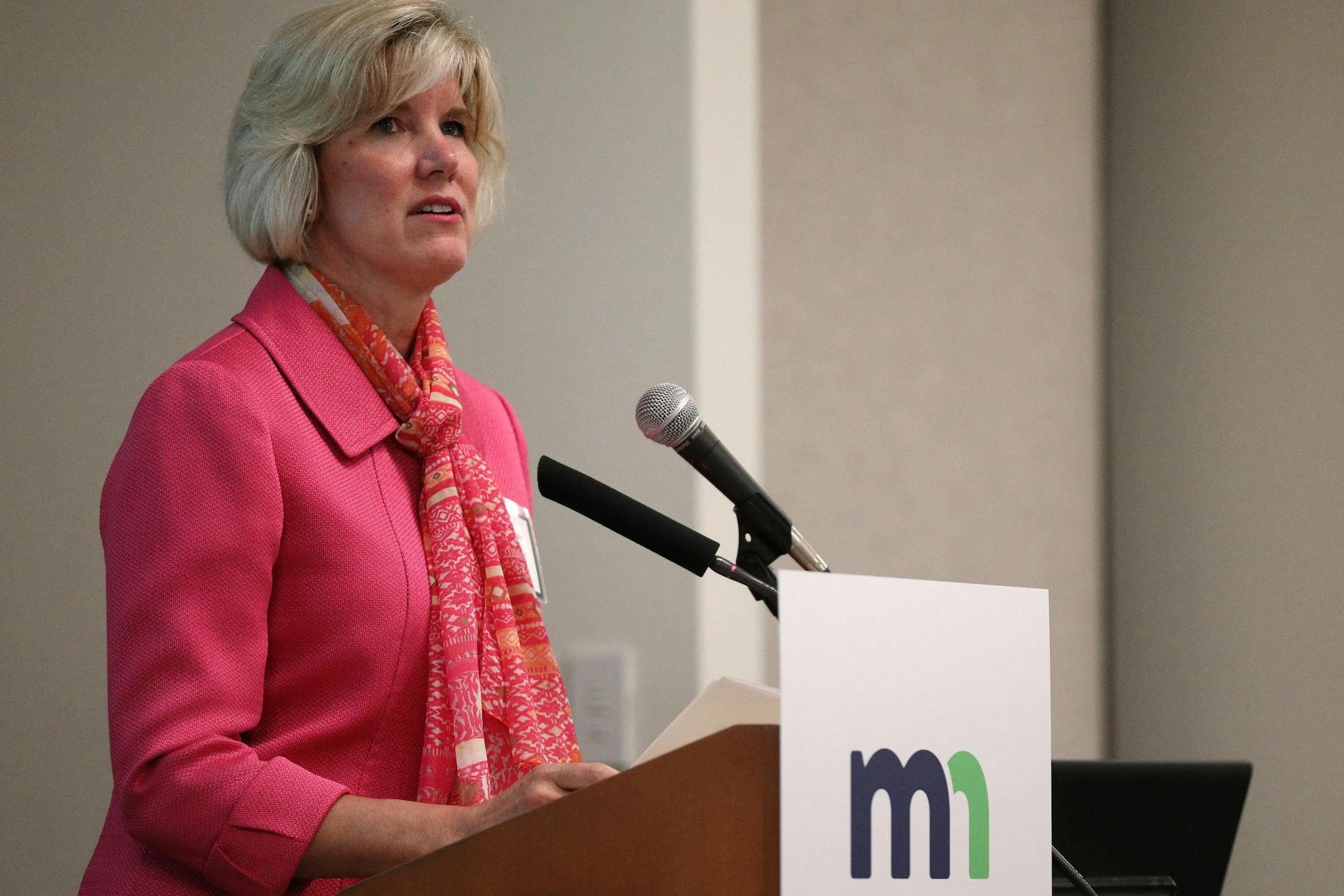
"We definitely have a way to go to make sure the community is fully vaccinated," said Kris Ehresmann, infectious disease director at the Minnesota Department of Health.
But officials are also concerned about other low-vaccination populations. A recent Star Tribune analysis of school immunization records found that one-third of Minnesota schools had kindergarten vaccination rates below the level required to prevent outbreaks for measles and chickenpox.
"We have a lot of pockets of concern," said Patsy Stinchfield, senior director of infection control at Children's Minnesota.


