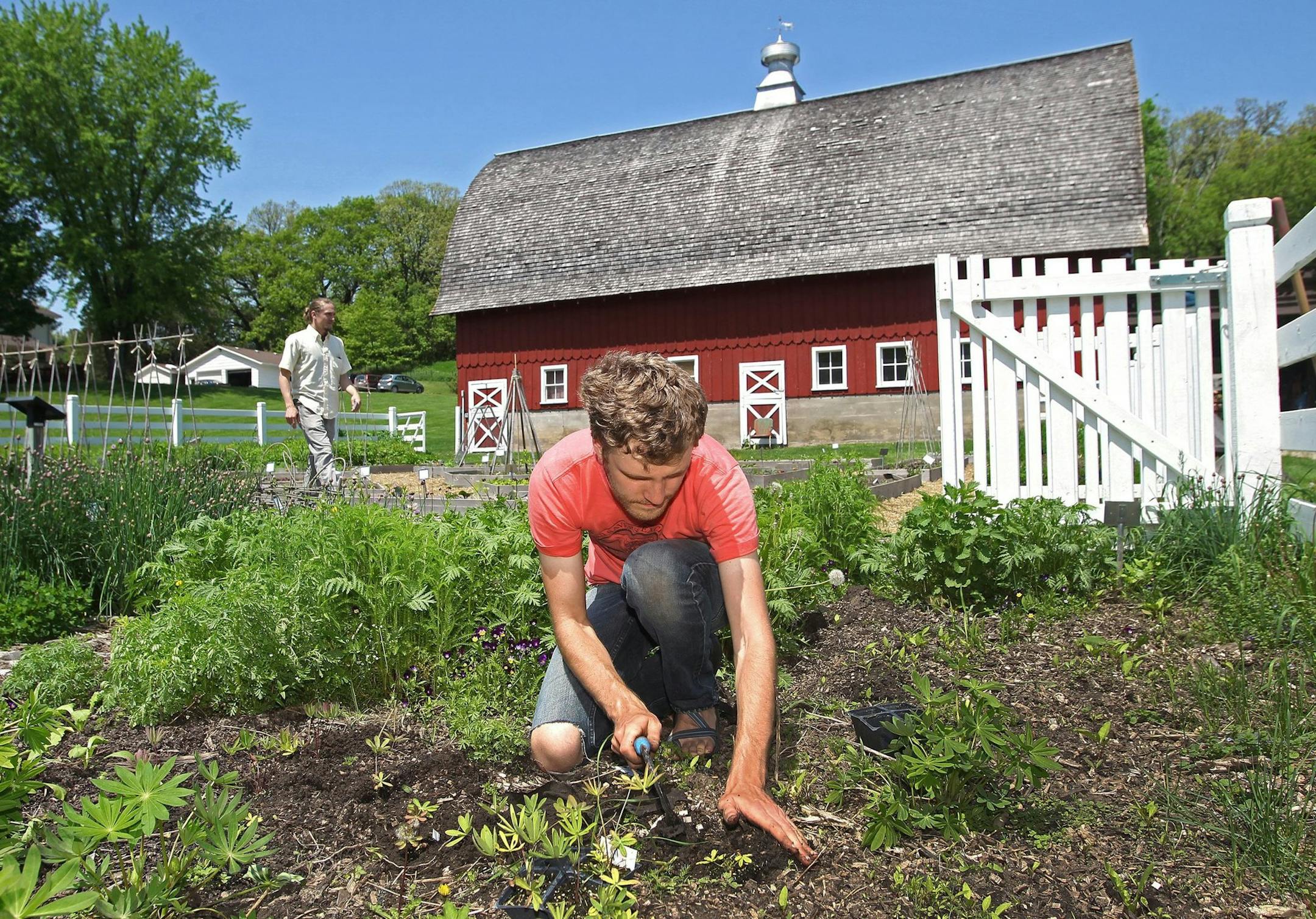
DECORAH, Iowa – In the extreme northeast corner of Iowa, on a grassy hillside ringed by meadows, limestone outcroppings and prismatic trout streams, an underground bunker safeguards our nation's food heritage.
Inside the surprisingly small 10-by-15-foot freezer vault at Seed Savers Exchange, floor-to-ceiling metal shelves are packed tight with white cardboard trays full of moisture-proof, foil-lined packets. The packets, labeled with long sequences of numbers and letters, hold the seeds of more than 25,000 varieties of old-time vegetables and plants.
But Seed Savers Exchange is more than just a repository. The nonprofit organization is the largest seed bank in the nation that makes its seeds available to the public, with the goal of reintroducing these nearly lost foods to back yard gardens, commercial farms and ultimately the American diet.
"We are the anti-Monsanto," executive director John Torgrimson says. "We are the safety valve. Before World War II, every farmer saved seeds. Today, patented seeds and hybrids make it impossible for farmers to save seeds."
Torgrimson says Seed Savers Exchange is also the backbone to the heirloom seed movement. "There's a good chance that a restaurant in New York is able to offer heirloom tomatoes on its menu because we've been doing this work for 34 years."
It all started with the seeds of two plants from Bavaria.
Diane Ott Whealy grew up on a farm near Festina, Iowa. Her paternal grandparents also had a farm nearby.
Shortly before her grandfather died in 1974, he entrusted Whealy and her husband, Kent, with seeds for two beloved plants that he had always grown: a large pink tomato and a red-throated purple morning glory.