In a FaceTime world, advice to "watch your back" is a warning. Stay alert, be on guard.
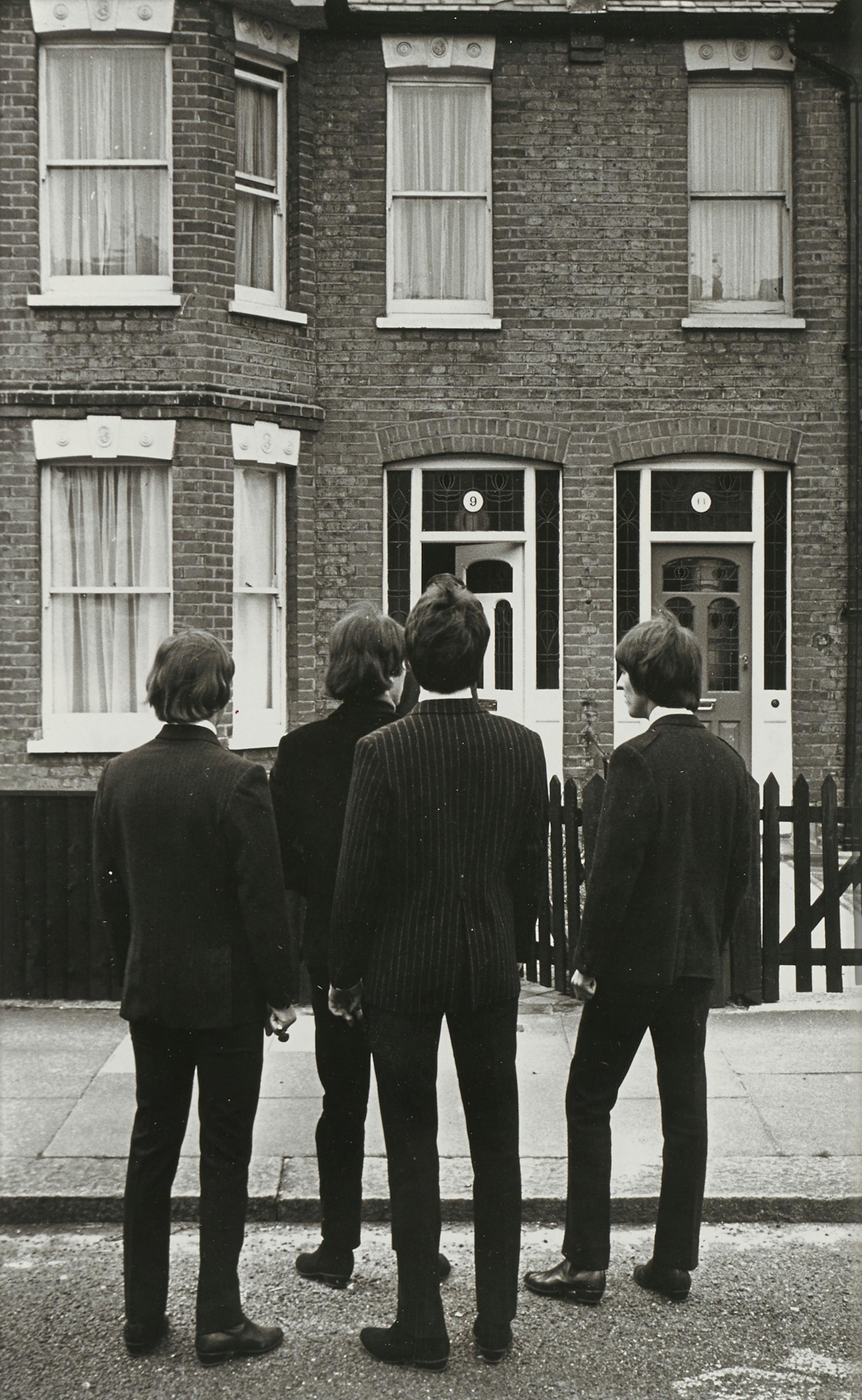
We're vulnerable from behind, subject to gossip, innuendo, assault and assassination — of character or otherwise. Perhaps that's why photographs of people's backs are so rare. And so fascinating. There's something covert and voyeuristic about a picture of someone seen from behind.
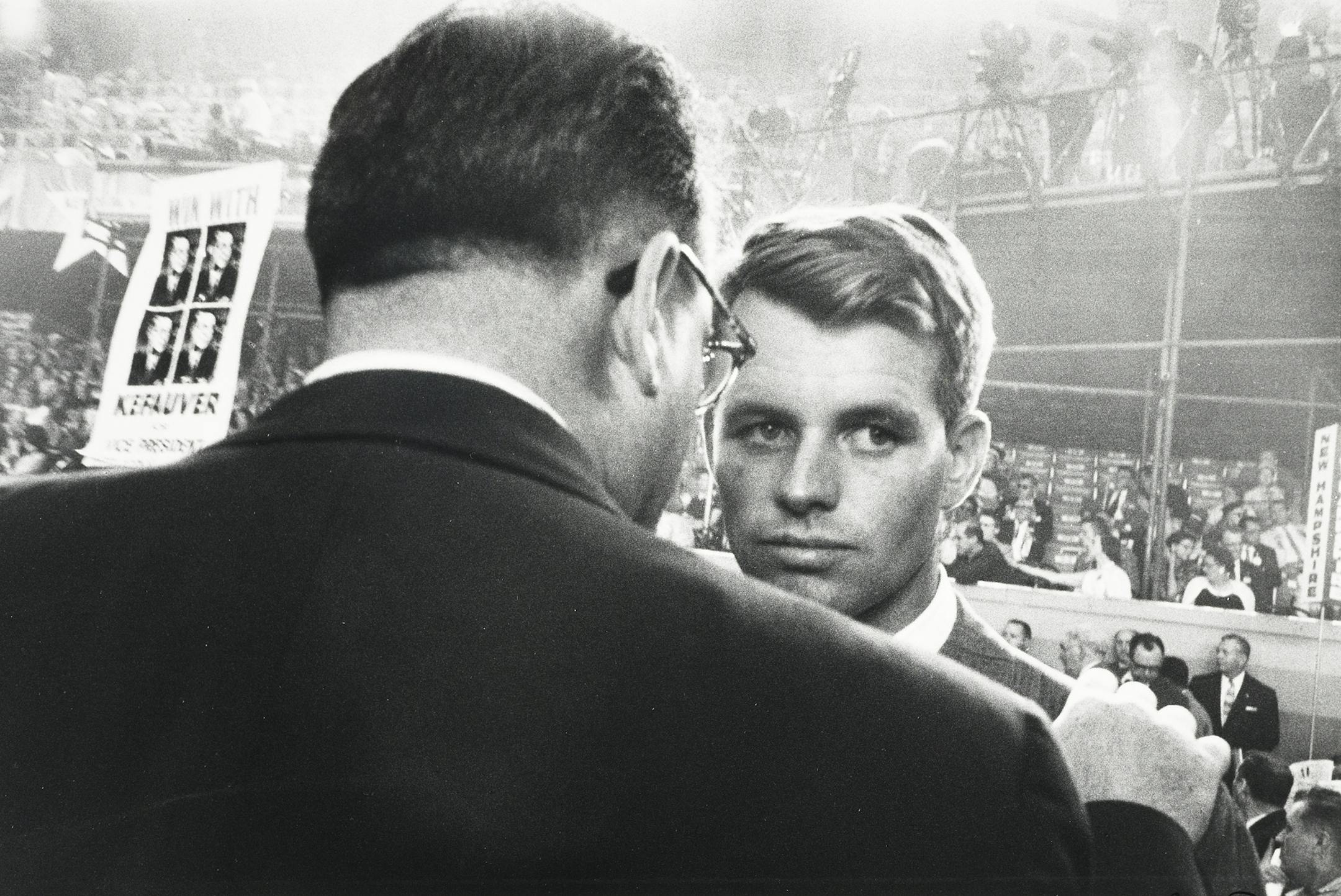
All sorts of psychological games come into play in "Who's Who: Seeing Back to Front," an intriguing show of about 60 photos at the Minneapolis Institute of Art through Oct. 30. About half the images feature famous people photographed from behind. The other half are frontal images of well-known individuals.
The "back" photos are especially fun because they're a tease. Presuming the subject is famous enough to pop up in a museum show, we scan for clues. A man in black with a guitar on his back? Yep, Johnny Cash. A broad-shouldered guy in cowboy boots and crumpled hat, his right hand itching for the butt of a pistol in an invisible holster? John Wayne on a film set. A slender brunette with child in arms gazing through the ruffled curtains of a Frenchified nursery? Jackie Kennedy and Caroline.
Some of the back photos are immediately recognizable thanks to such clues of haircut, clothing, stance or context. Four mop-topped young men in stovepipe pants and sport coats, gazing at a Victorian brick row house on a cobbled street? The Beatles, 1965.
History stamps others. A man in baggy baseball stripes, his shirt emblazoned No. 3, stands cap in hand facing a three-tiered stadium packed with fans. The photo itself, taken June 13, 1948, is one of the most famous in sports history. But even folks who can't recognize Yankee Stadium would likely guess Babe Ruth. The line of ballplayers off to the side, the bald guys in suits and overcoats, the crouching photographers with flashbulbs — all trigger recognition.
Centennial gift
The back photos were a 2015 centennial gift to the museum from Twin Cities collector Howard Weiner. He began his quixotic collection nearly 40 years ago when, in a Jerusalem shop, he spied a curious image of the back of a balding head crossed by the strap of an eye patch. He immediately recognized war hero/politician Moshe Dayan, much as Americans of a certain age instantly know the chiseled head and slender shoulders of President John F. Kennedy.
After buying the Dayan photo on a whim, Weiner began accumulating "this odd and wonderful collection," as David Little, the institute's former photo curator, called it. With the exception of a few art photos such as Robert Mapplethorpe's portrait of a favorite model, most of the back portraits are cultural curiosities rather than aesthetic statements.