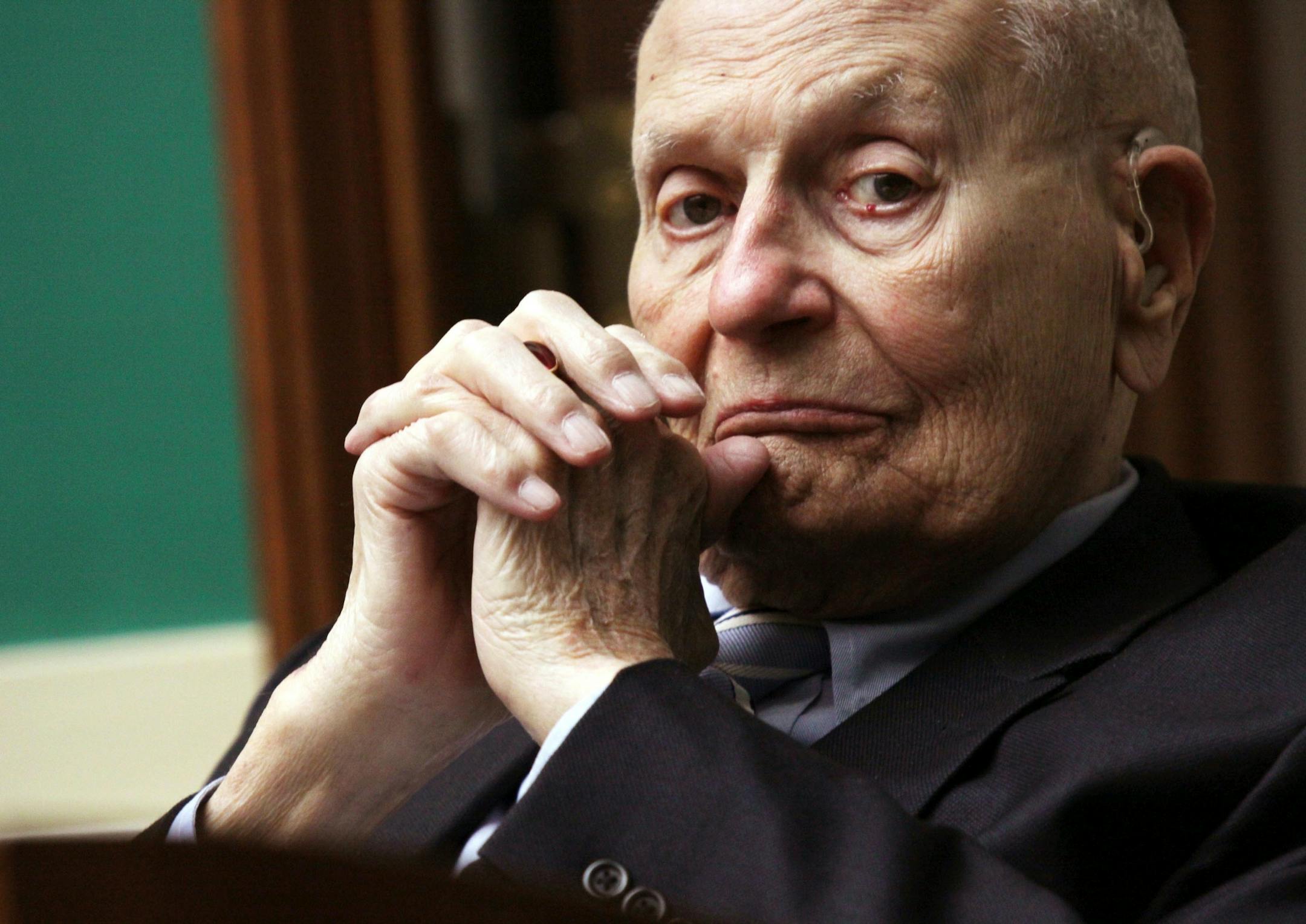
Long before the National Rifle Association tightened its grip on Congress, won over the Supreme Court and prescribed more guns as a solution to gun violence — before all that, Rep. John Dingell had a plan.
First jotted on a yellow legal pad in 1975, it would transform the NRA from a fusty club of sportsmen into a lobbying juggernaut that would enforce elected officials' allegiance, derail legislation behind the scenes, redefine the legal landscape and deploy "all available resources at every level to influence the decision making process."
"An organization with as many members, and as many potential resources, both financial and influential within its ranks, should not have to go 2d or 3d Class in a fight for survival," Dingell wrote, advocating a new aggressive strategy. "It should go First Class."
To understand the ascendancy of gun culture in America, the files of Dingell, D-Mich., a powerful lawmaker who died in 2019, are a good place to start. That is because he was not just a politician — he simultaneously sat on the NRA's board of directors, positioning him to influence firearms policy as well as the private lobbying force responsible for shaping it.
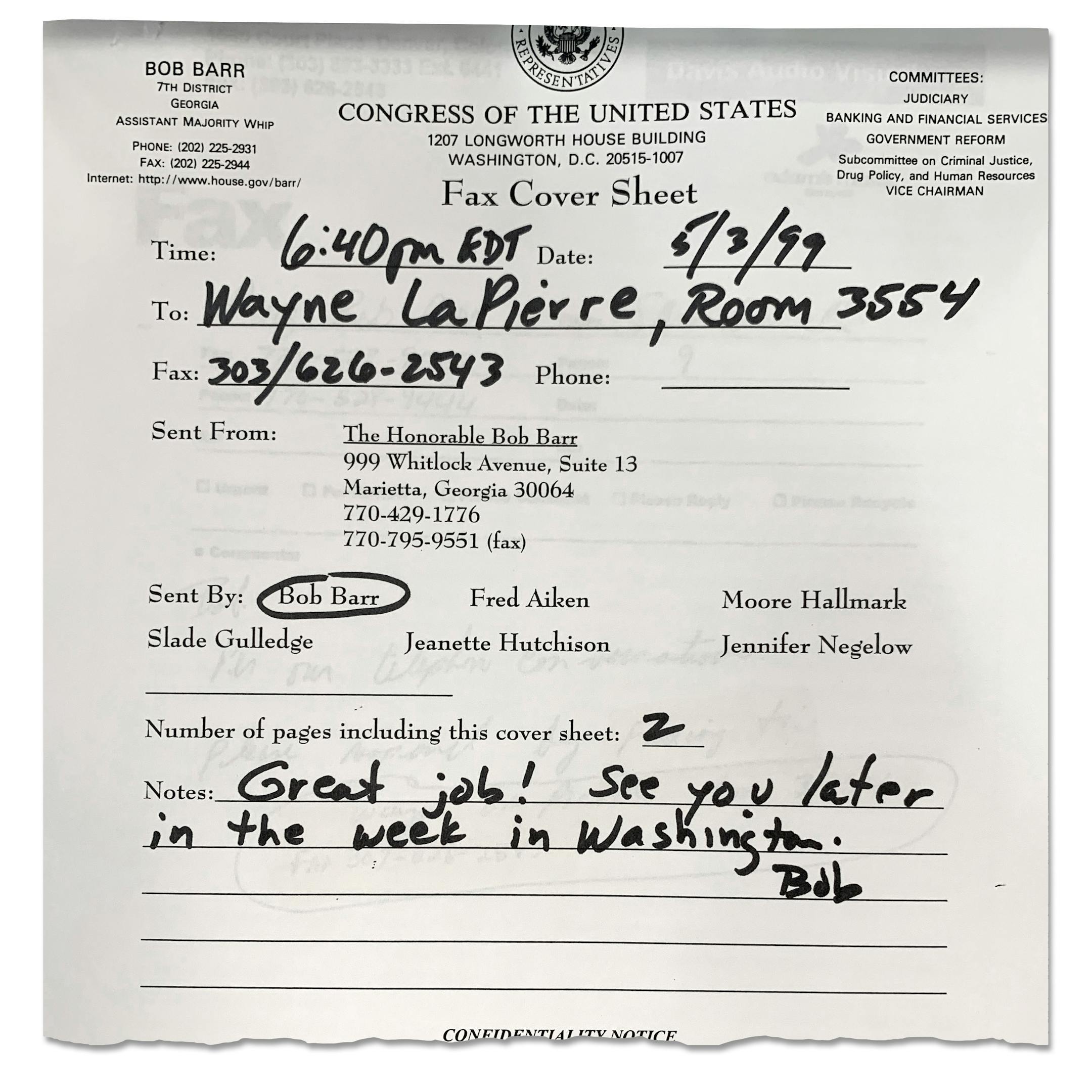
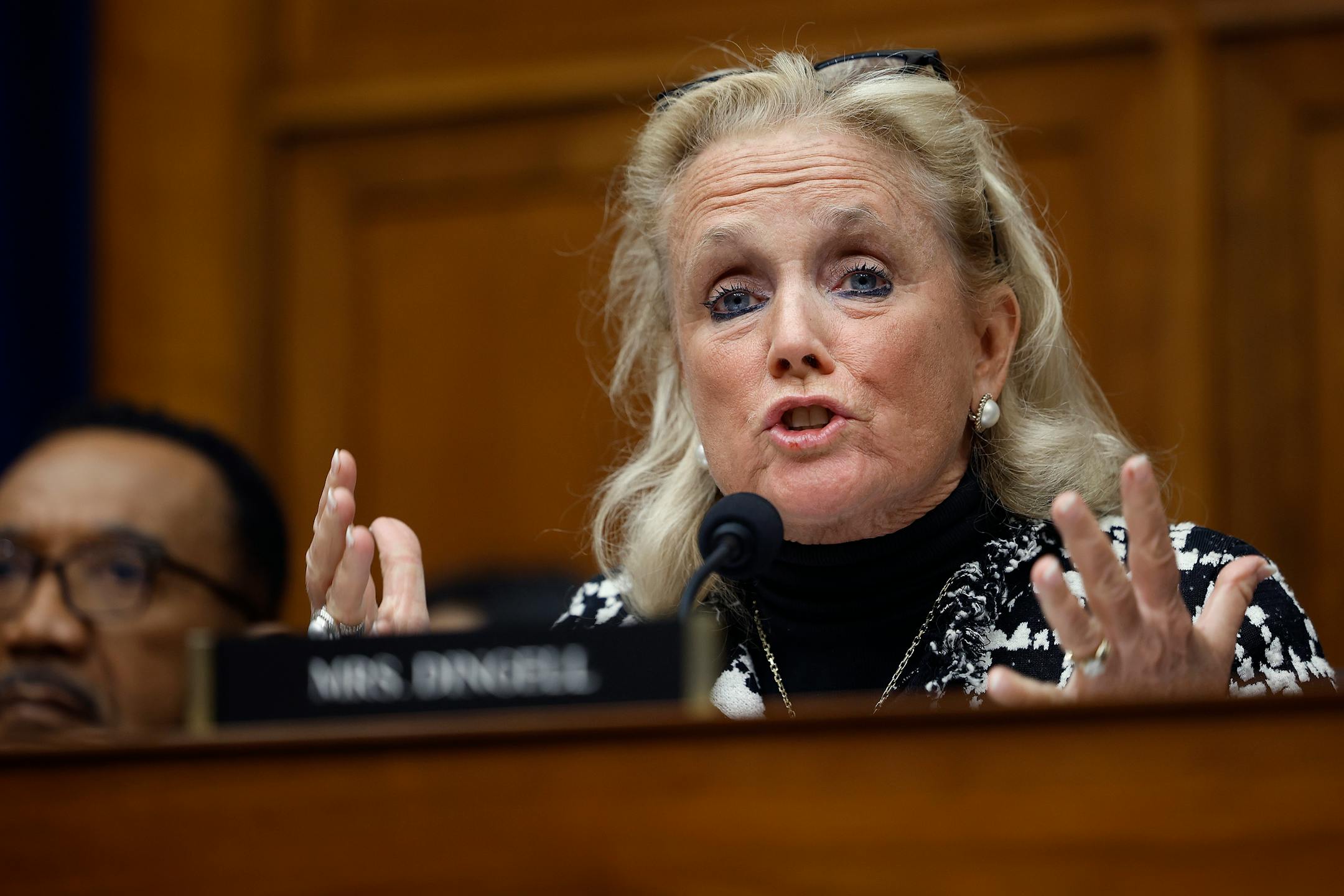
And he was not alone. Dingell was one of at least nine senators and representatives, both Republicans and Democrats, with the same dual role over the last half-century — lawmaker-directors who helped the NRA accumulate and exercise unrivaled power.
Their actions are documented in thousands of pages of records obtained by The New York Times, through a search of lawmakers' official archives, the papers of other NRA directors and court cases. The files, many of them only recently made public, reveal a secret history of how the nation got to where it is now.
Over decades, politics, money and ideology altered gun culture, reframed the Second Amendment to embrace ever broader gun rights and opened the door to relentless marketing driven by fear rather than sport. With more than 400 million firearms in civilian hands today and mass shootings now routine, Americans are bitterly divided over what the right to bear arms should mean.
The lawmakers, far from the stereotype of pliable politicians meekly accepting talking points from lobbyists, served as leaders of the NRA, often prodding it to action. At seemingly every hint of a legislative threat, they stepped up, the documents show, helping erect a firewall that impedes gun control today.