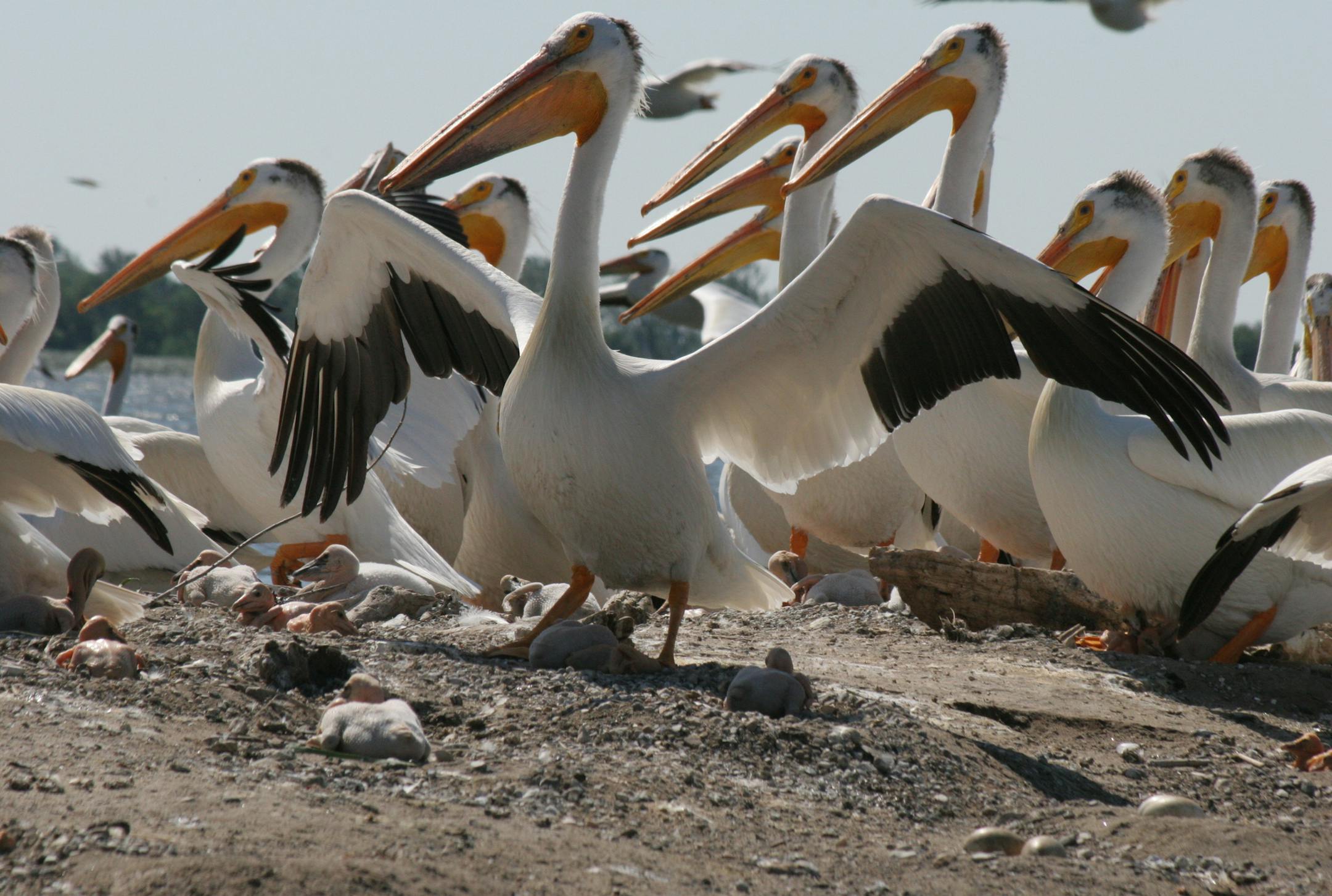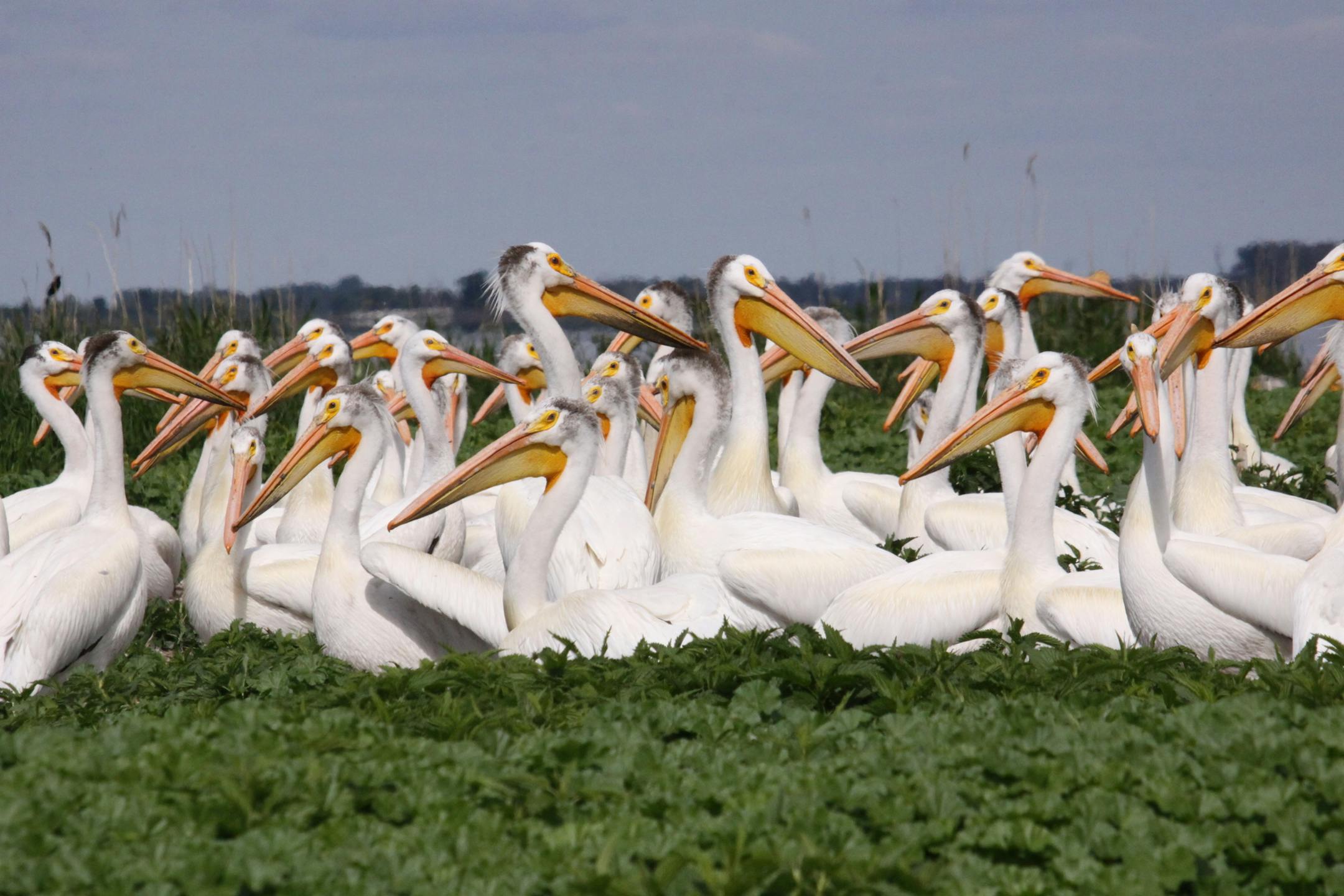
It was July of 1974, and I had just been hired by the Minnesota Department of Natural Resources as assistant manager of the Lac qui Parle Refuge. Refuge manager Arlin Anderson and I were visiting an island on Marsh Lake to check on a colony of American white pelicans. The pelicans had been discovered nesting there in 1968 after a 90-year absence in Minnesota.
All of the state's pelican nesting colonies had been destroyed by 1878 because misguided pioneer settlers believed pelicans were competing with them for game fish. However, pelicans primarily eat smaller rough fish — including bullheads, suckers, carp, crayfish — and salamanders.
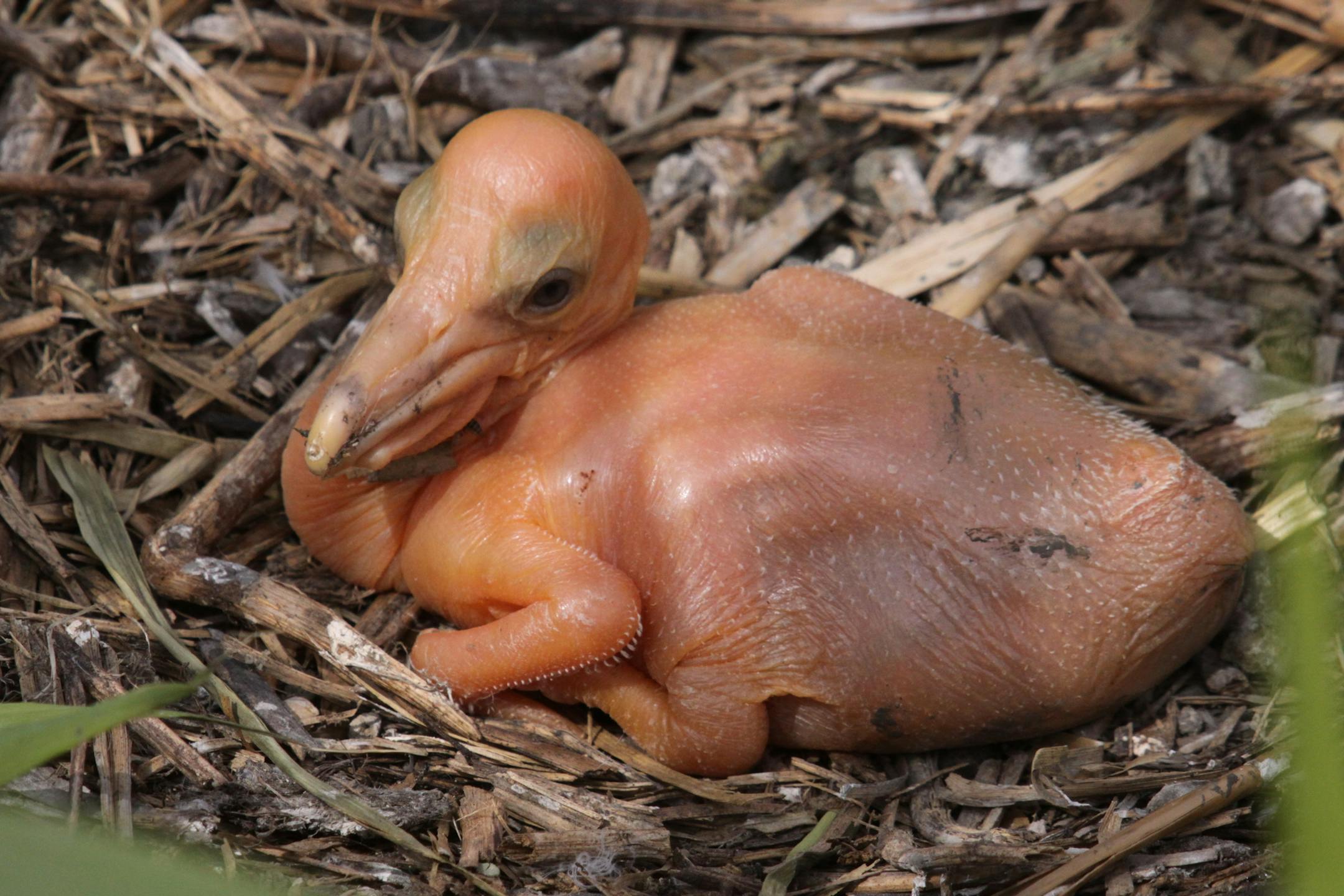
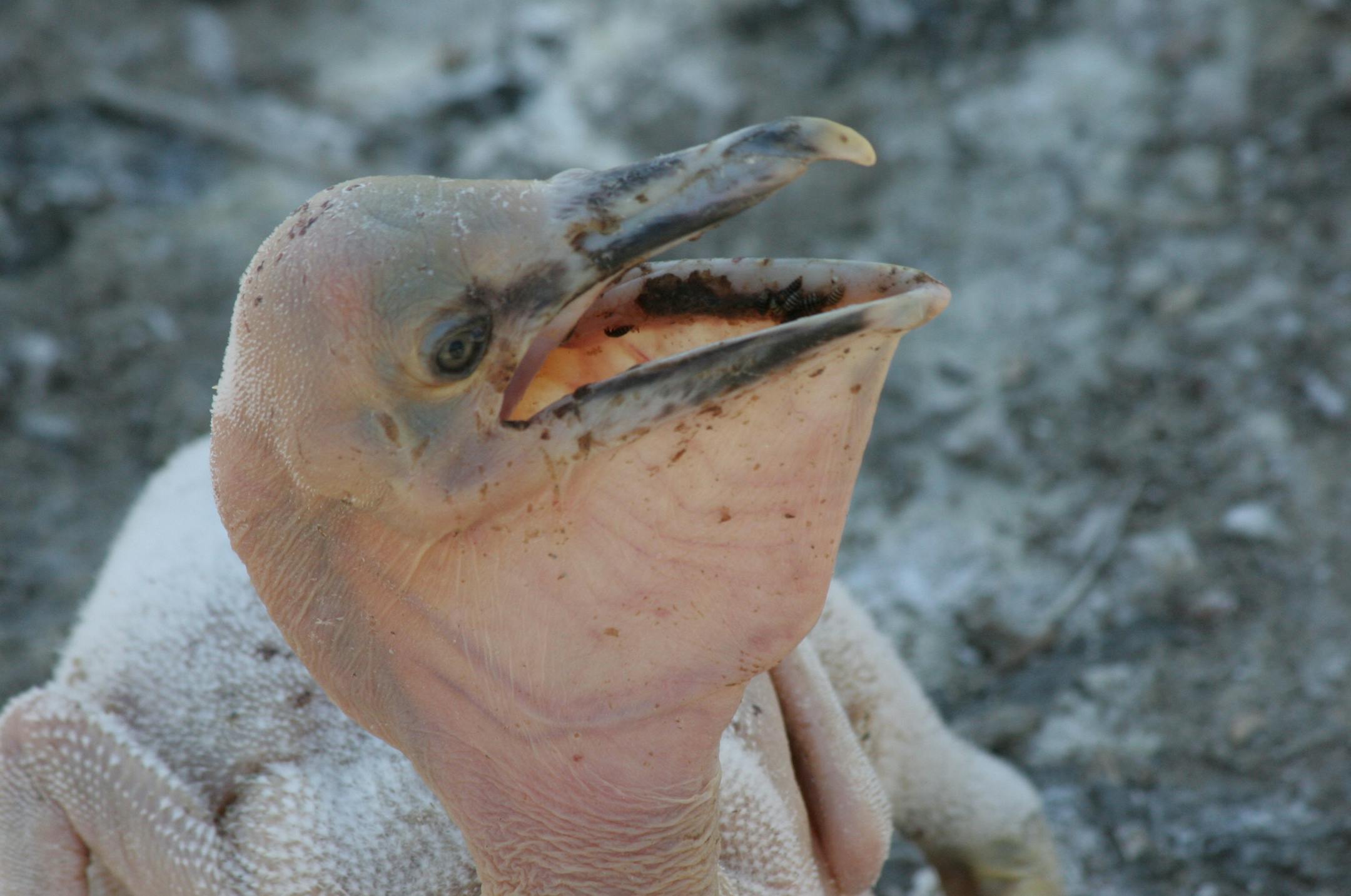
Being amid the hundreds of nesting pelicans, gulls and cormorants was like going back in time to a prehistoric island. The nestling pelicans were helpless and naked, and they looked like the first cousins of pterodactyls. They were so homely they were cute. You would never dream that such pudgy little creatures could fly within a couple of months.
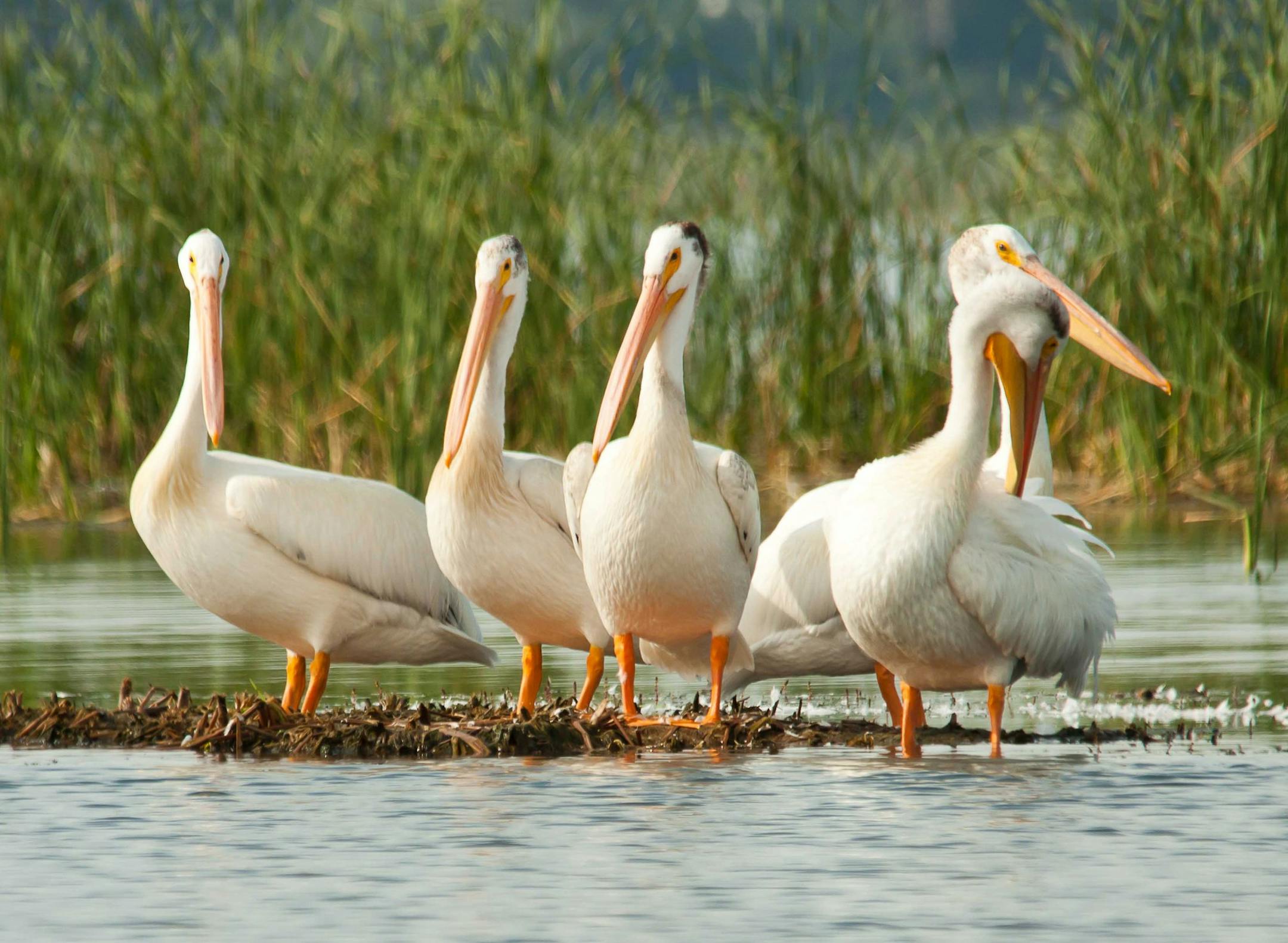
In contrast, the adult pelicans were a marvel of aerodynamic beauty. They were huge, weighing up to 16 pounds (more than a bald eagle), with wingspans exceeding 8 feet (again, greater than a bald eagle's). As parent pelicans soared overhead and over the water, they demonstrated an elegant grace in flight that was remarkable.
In the 40 years that have passed since my first introduction to white pelicans at Marsh Lake, I have been amazed by their impressive recovery. From 70 nesting pairs in 1968, their numbers have grown to more than 22,000 pairs in 2011, with 16 colonies across the state. Watch for pelicans in the next month as they begin their migration to the Gulf of Mexico for winter.
Carrol Henderson is the DNR's nongame wildlife program supervisor.