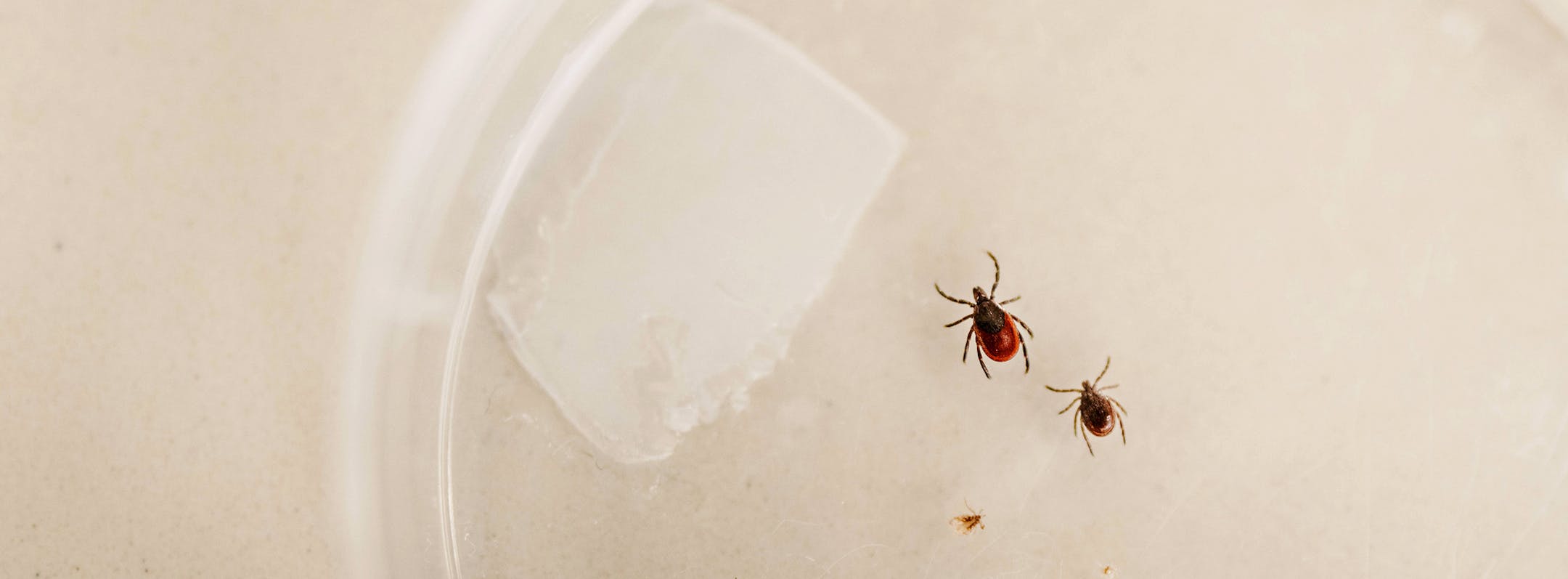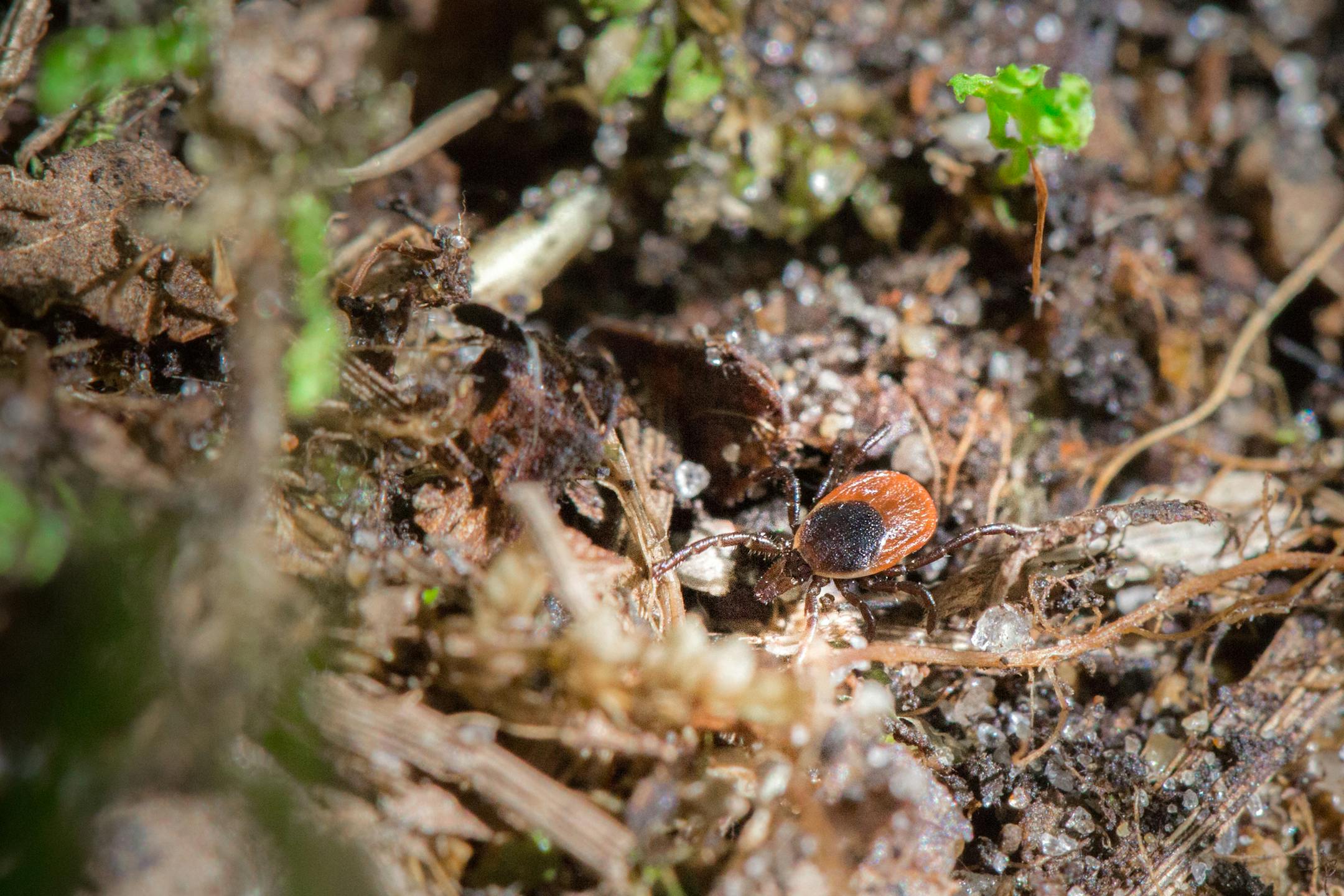
Every year, deer ticks bite thousands of people in the Northeast, and as winters in the region become more mild, adult deer ticks are becoming more active at a time when they're normally dormant, causing a bigger public health risk.
"It's becoming a year-round, check-yourself-for-ticks situation," said Toni Lyn Morelli with the Northeast Climate Adaptation Science Center.
Morelli said if temperatures are at or above 40 degrees Fahrenheit, adult deer ticks will emerge to seek hosts in the winter.
Data from the U.S. Global Change Research Program shows that New England temperatures are rising faster than national and international averages. The largest increases in the region are happening during winter.
Deer ticks, also known as blacklegged ticks, can pass on Lyme disease, anaplasmosis and other sicknesses. Lyme in particular can cause chronic symptoms for some people.
"Everybody's looking for the scapegoat when it comes to vector-borne diseases and ticks and tick-borne diseases," said Megan Linske with the Connecticut Agricultural Experiment Station. "I think climate change is a big one."
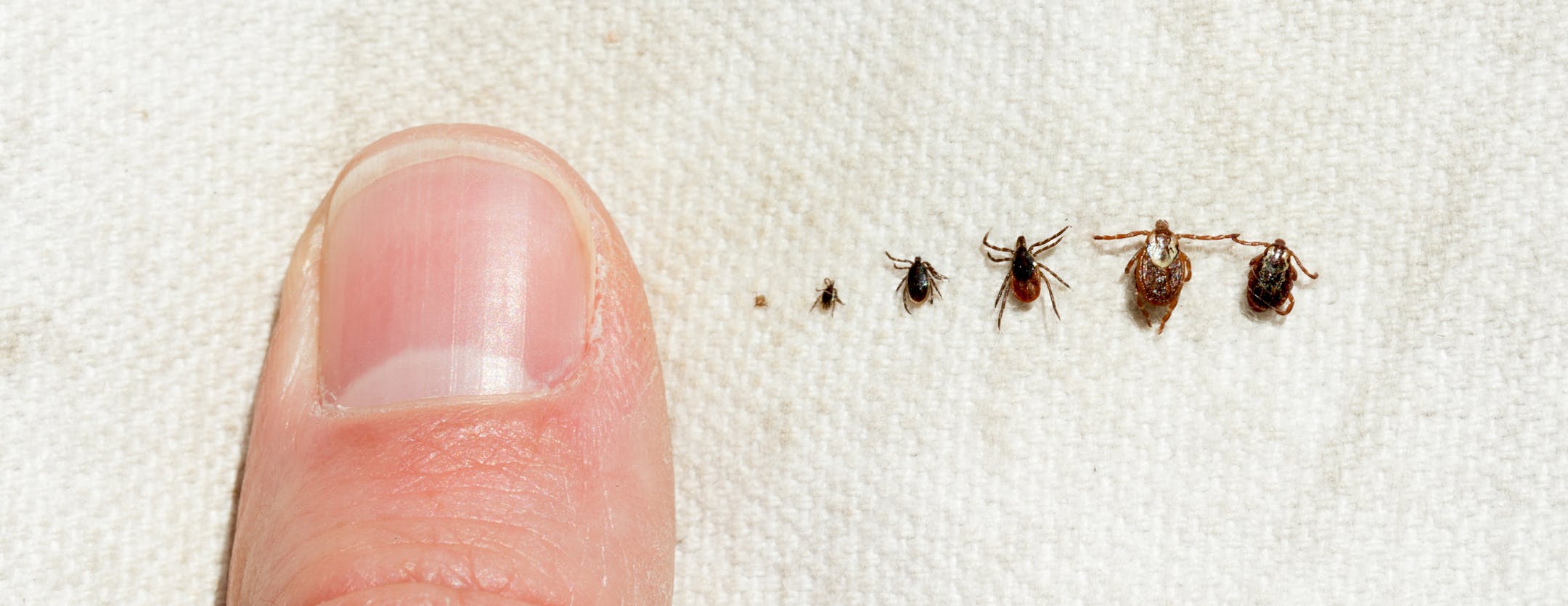
According to the Minnesota Department of Health (MDH), bites from tick nymphs account for the greatest number of Lyme cases. This immature stage is active primarily between May and July, when about 20% of nymphs carry the bacteria that can cause the disease. The heat and dryness of summer tamp down their threat until ticks pick up again in the fall and are active until snow falls. Because of their size, roughly that of a poppy seed, these nymph bites tend to go unnoticed and represent the greatest number of Lyme cases. Adult ticks, about the size of a sesame seed, also bite people and can carry the bacteria that can cause the disease throughout much of the year. Some 40% of them carry Lyme.
Snowy weather changes the dynamic in Minnesota, said Elizabeth Schiffman, epidemiologist supervisor in the vector-borne diseases unit at the MDH.