

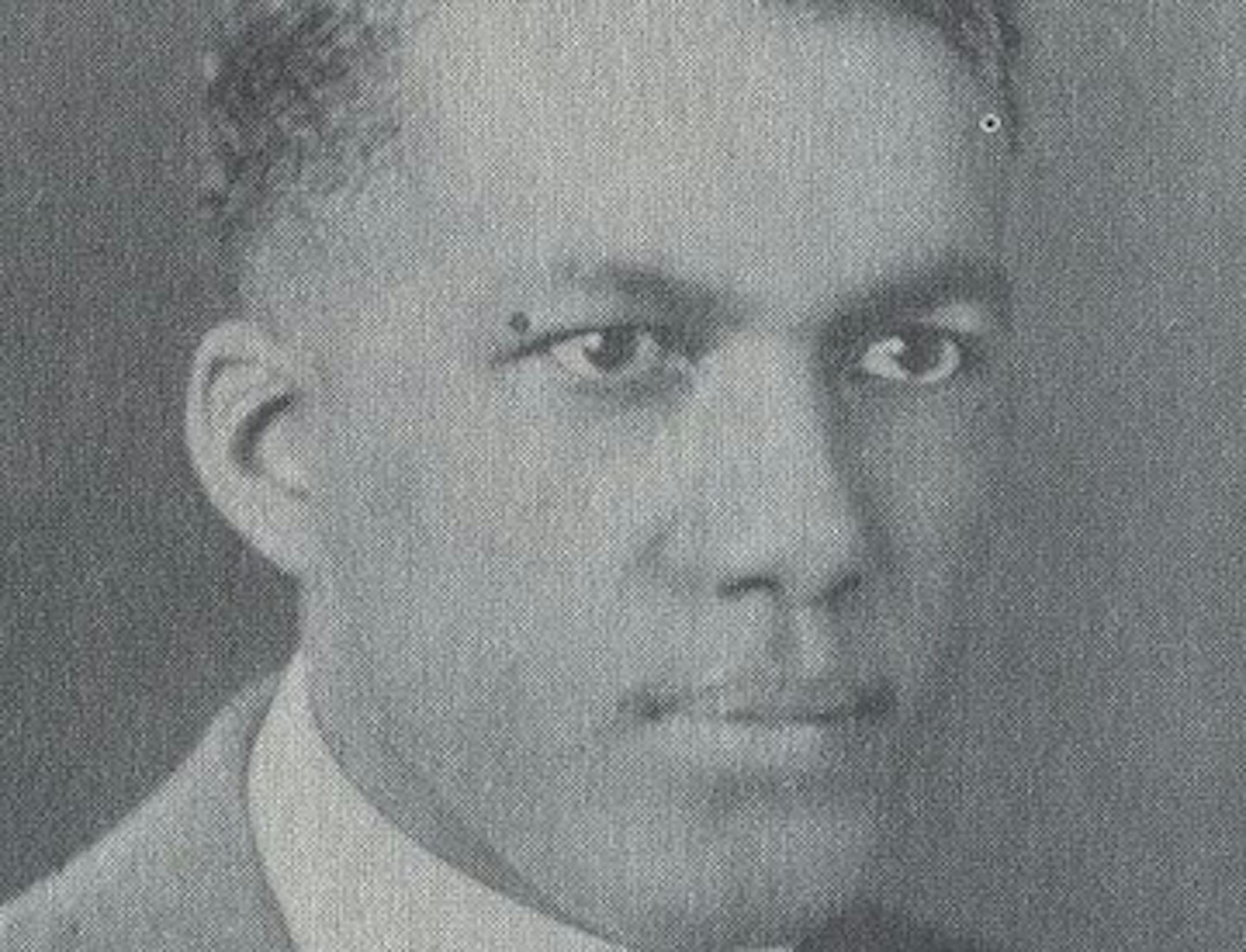
Tired of reading crime stories that noted when the perpetrator was Black, a postal clerk studying journalism at the University of Minnesota fired off a letter to the editor of the Minneapolis Tribune.
"Whenever a man of Scandinavian, Greek, Italian, or any other descent commits a crime, no mention is made of his nationality," Homer Smith Jr. wrote in a letter published Feb. 15, 1922. "However, if a Negro commits an offense it is blazoned forth that he is a Negro. This impious practice serves only to warp the public mind into believing the Negro is unlawful."
Smith's disdain for racial injustice only deepened as he sorted mail to earn money for tuition and living expenses at the U, where he graduated in 1928.
"Advancing within the clerical ranks of the Post Office was one of the few professional career paths open to Black men in the early 20th century," Jack El-Hai wrote in a 2017 profile of Smith for the U's alumni magazine (https://tinyurl.com/HomerSmith).
Born in Mississippi, Smith moved to Minneapolis after 1916. Fed up with discrimination, he immigrated to the Soviet Union in 1932, writing later that he was convinced Blacks "would never achieve freedom and equal status in these United States no matter how long or stubbornly he fought to do so."
Smith was paid a monthly salary of 500 rubles when he joined the Rationalization Department of the Soviet postal system in Moscow, more than his pay with the U.S. postal service. All the while, he was sending stories back to Black newspapers in the United States under the pen name Chatwood Hall, a moniker he had adopted at the U. When World War II erupted, he reported from the Eastern Front for the Associated Negro Press.
His globetrotting career took him and his Russian wife, Marie Petrovna, to Ethiopia for 15 years after the war. He renounced his Soviet citizenship and settled in 1962 in Chicago, where he penned a memoir, "Black Man in Red Russia," and died in 1972.
Smith chronicled his global pursuit of racial justice in a 1958 Ebony magazine article, flashing back to his early years in Minneapolis. "In those days I was a youth of little patience and even less vision," he wrote.


