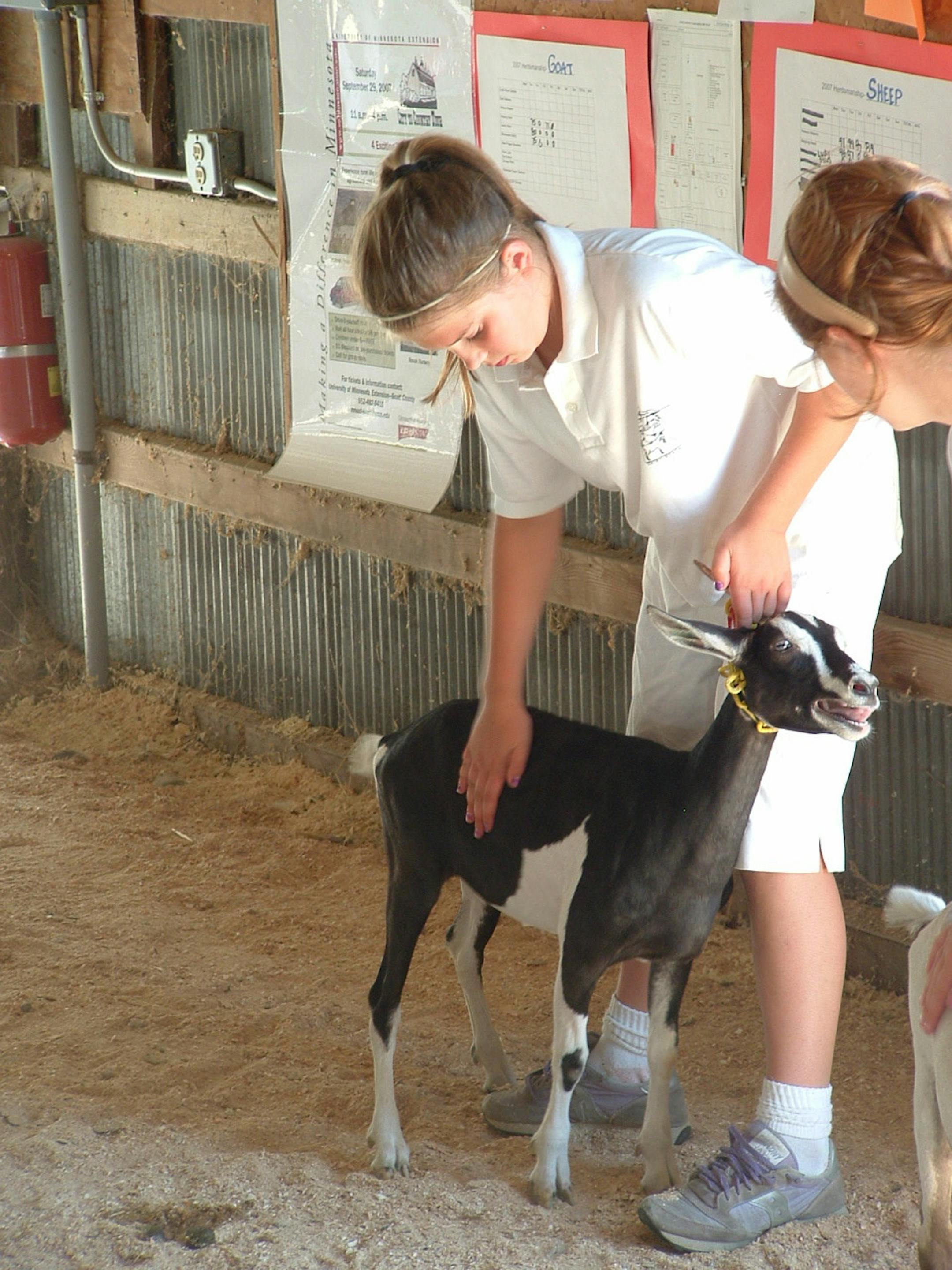
It is hard to imagine anyone in the south metro area scanning the weather forecasts this week as avidly as Jim Luce will.
"We spend 360 days preparing for these five," said the manager of the Scott County Fair, which starts today. "And when a pair of those days come with thunderstorms, it's devastating. We don't have a gate, per se, so it's hard to get an exact count, but we think we draw as many as 40,000 people in good weather -- and not much more than 30,000 when it's bad."
The fair, a symbol of a much older and more rural county, arrives this year at an interesting moment in the county's history: A time when a debate is taking place over how urban or how agricultural the county should be over the next couple of decades and beyond.
In fact, just two days after the fair ends, county commissioners -- who admit they are nowhere near as intimately connected with agriculture as their farmer-predecessors would have been as recently as the Reagan years -- are to take a tour of the county's farms.
The tour is aimed at giving them a close-up look at what farming has become as they prepare to make decisions that counties only make every 10 years -- decisions about what the future holds for farmland and natural areas.
For the rest of us, fair officials say, the county fair can serve a similar purpose -- not that they would ever seek, mind you, to be dry or preachy about it.
"Trite as it sounds," Luce said, "younger kids today often don't know that milk doesn't come from a carton in a glass case. Things some of us take for granted are a revelation for others. We'd like to give as much insight as we can without being overzealous about it."
On the contrary, the fair's publicist, Lloyd Friske, stresses the showiest of entertainment: the North American Classic Six Horse Hitch show, with competitors bringing 300 horses from roughly 15 states and a few Canadian provinces, and the Upper Midwest Stock Dog Challenge. Both are reminders of a much more ancient form of farming, when teams of horses pulled plows and wagons and dogs began being trained to herd sheep.