

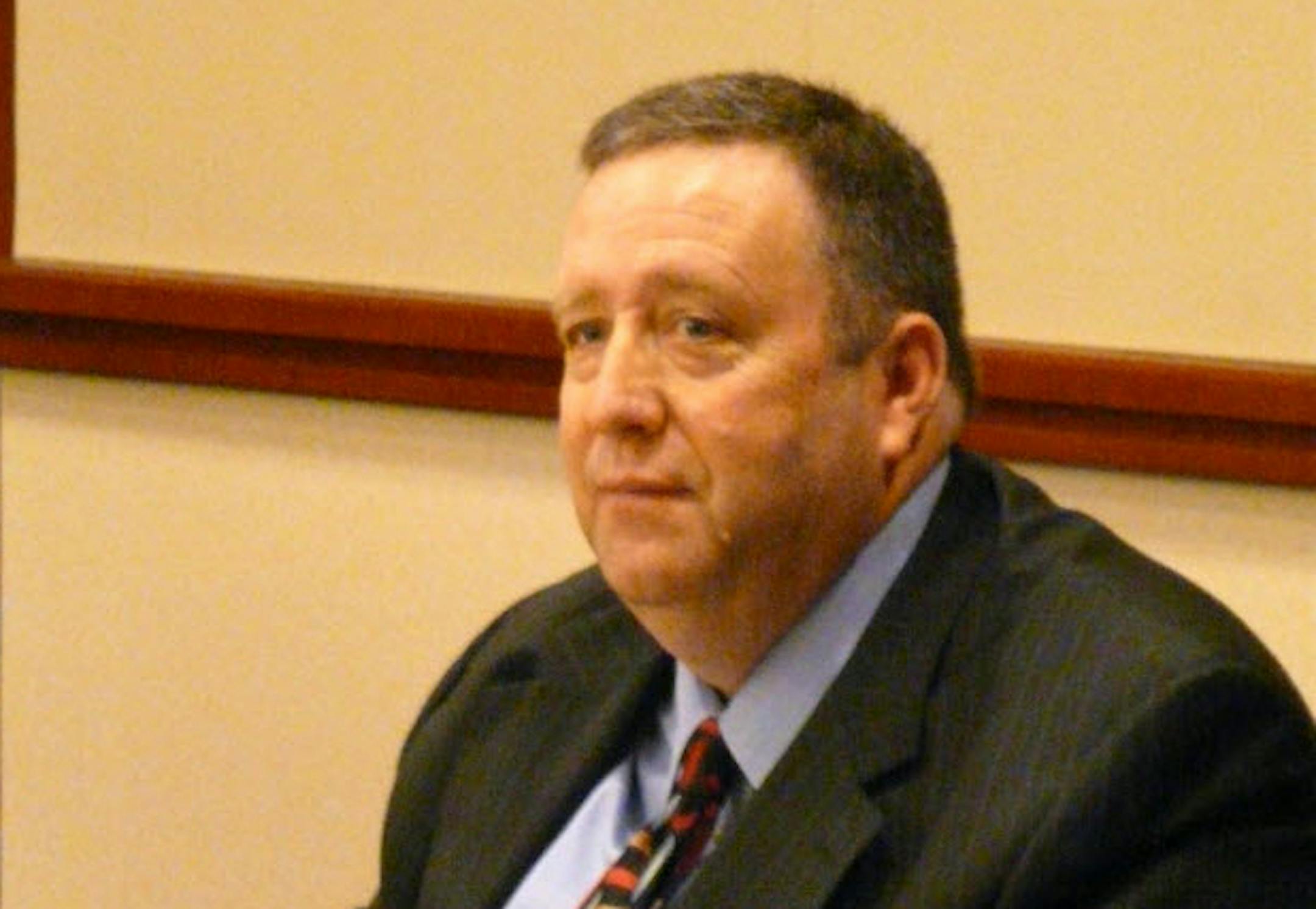
Brandt Richardson sits at the top of the list, Gary Shelton squarely at the bottom, but the top administrators of Dakota and Scott counties could argue that they're both underpaid.
Shelton's Scott County points out that he earns less than a pair of the people who report to him.
Richardson's Dakota County points out that people below him on the food chain, performing no better than he is, are getting raises much bigger than his.
The issue jumped into public prominence this month when Shelton, by far the lowest-paid top administrator among the five suburban counties in the Twin Cities, was awarded a 5 percent bump.
Part of the pitch was a graphic showing that his four counterparts average $155,000, or well over the $132,701 that Shelton then made. At the top: Richardson, at $167,437, who also happens to run the biggest of the five and to have held the position for three decades.
Whether it's politics, whether it's staff-board chemistry, whether it's performance or time on the job, there doesn't seem to be much obvious logic to why some top administrators are paid more than others. The smallest suburban county, Carver, pays its top employee the third-highest salary, while the second-biggest, Anoka, pays the second-smallest salary.
Some factors are out of the counties' hands — for instance, a state law that caps city and county officials' salaries. When Dakota County officials responded by e-mail to questions about how the administrator's pay is set, they said:
"In real effect, the administrator's salary is now determined by the movement of the state-determined salary cap imposed on city and county employees only (not school district employees, sheriffs, or county attorneys)."


