

Sometime in the fall of 2014, Scotland will hold a referendum on independence from the United Kingdom. The outcome is far from certain, but whatever happens, Scotland will certainly gain further powers of self-determination.
Its capital city, Edinburgh (population 500,000), has been the site of the Scottish Parliament since 1999 and has been, most think, the chief beneficiary of the ongoing devolution of power from London. Its future, unlike that of any other Scottish city, seems assured.
And by most objective measures it's an exceedingly fortunate place. It hosts the world's largest arts festival, it's rightly celebrated for its culture, and it scores consistently well on quality-of-life indices. Its employment levels have even held up well after the 2008 financial-services crash, to which the city was well exposed.
Yet Edinburgh suffers a weird urban malaise. Rather than a city whose time has finally come, it can feel more like Venice, a once-great city now in abject decline. If the city is a glimpse of Scotland's future as an independent - or somewhat more independent - nation, Scots may have some cause for alarm.
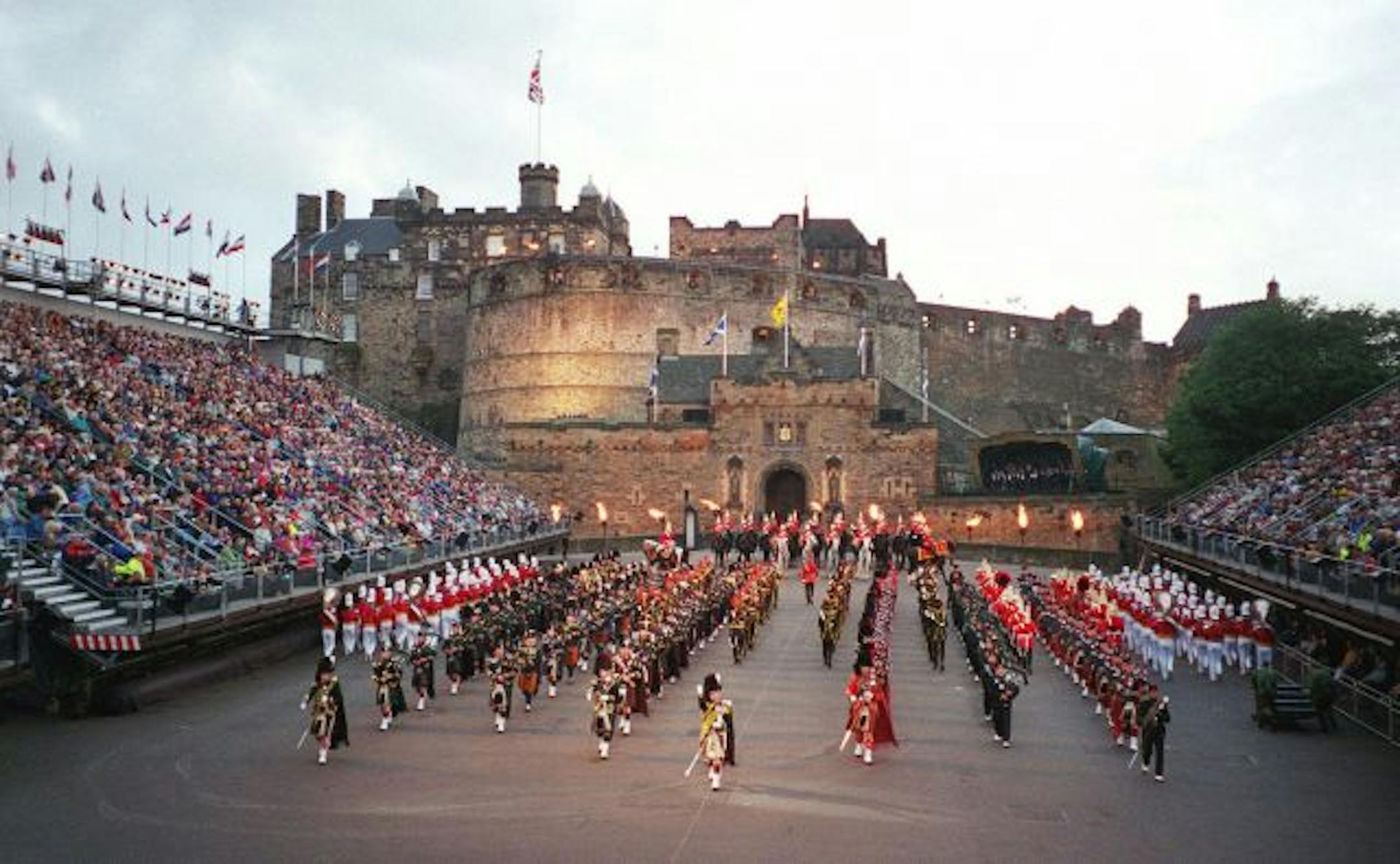
Deplaning at Edinburgh's airport, you pass a series of new mural-scale photographs celebrating one of the world's most dramatic urban landscapes. They're emblazoned with quotations from celebrated Edinburgh writers - David Hume, Walter Scott, Robert Louis Stevenson. What the panels extol are achievements of the now-distant past, and the visual image of the city presented in the photographs is dominated by the castle, a largely 18th-century creation.
Leaving the airport, you do wonder whether the city isn't actually reverting to its 18th-century condition. The spectacularly potholed roads, the decay of buildings in the central area, and the remarkable absence of new construction suggest the city council wishes to return to the era of Hume and Stevenson.
I took American urban sociologist Sharon Zukin around Edinburgh in the summer of 2012. She found it a hard city to read. The UNESCO-listed central area looked run-down, she thought; the upscale neighborhood of Stockbridge seemed "poor." I had to agree, looking at all the thrift stores and shabby street frontage.
And the problems were more than surface impressions. Consider Princes Street, Edinburgh's Fifth Avenue, a straight mile of retail set below the great volcanic plug of the Castle Rock. It would be hard to find a more spectacular place to shop, and it ought to be one of the world's great avenues. But nearly 30 percent of the units are vacant here, and many of the occupied units are short-term lets selling tourist knickknacks. Lift your eyes upward, and many buildings at the second-floor level and above are empty.


