

On the heels of the 2018 Super Bowl, the 2019 Final Four will keep the momentum going in Minnesota as civic leaders and economic development officials leverage big events — and the big national stage — to market the Twin Cities area to prospective employers and skilled workers.
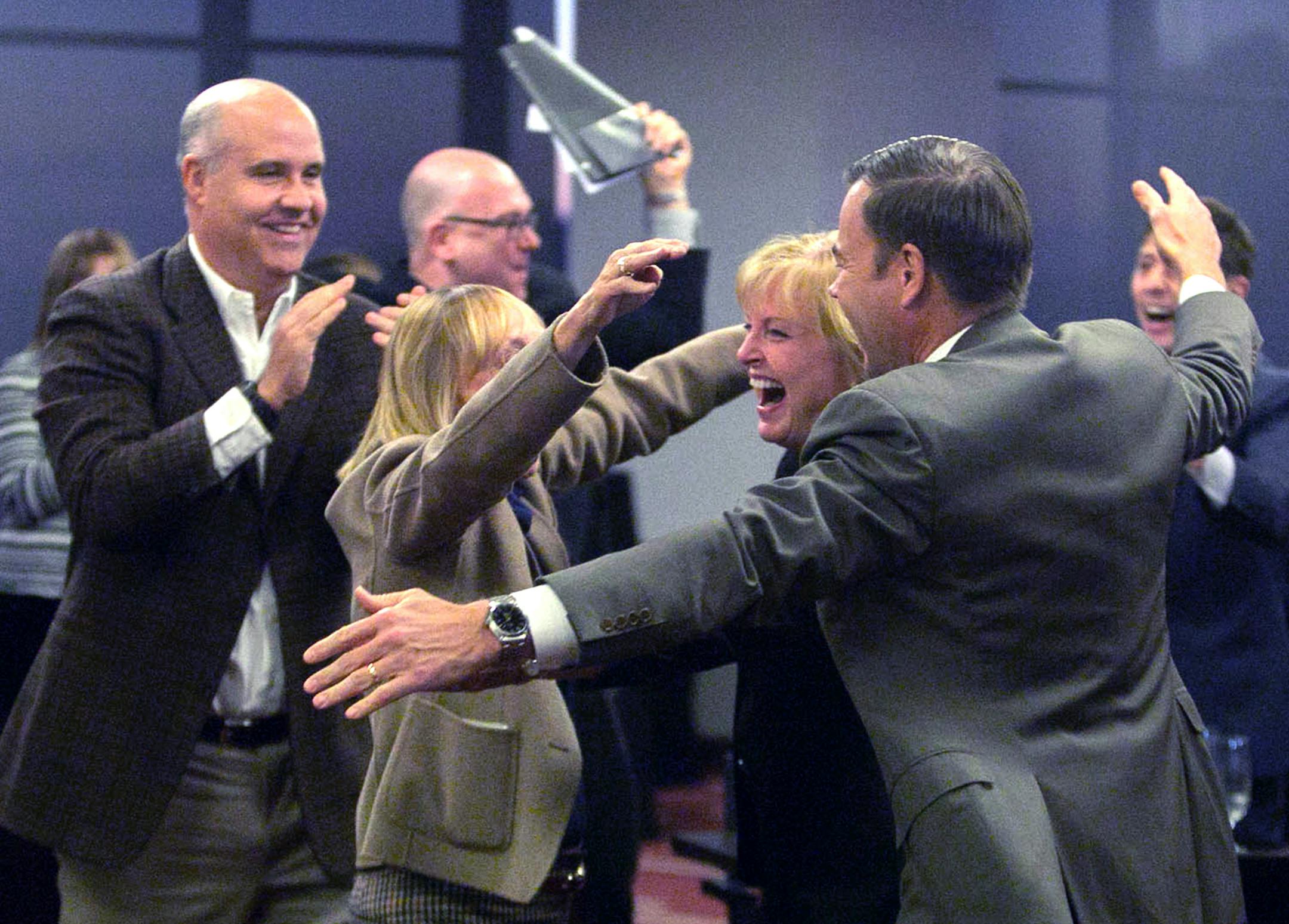
On Friday, the National Collegiate Athletic Association (NCAA) announced that the 2019 men's Final Four basketball tournament would be played in Minneapolis at the new Vikings stadium. A number of individuals deserve credit, including members of the city's successful bid committee, co-chaired by David Mortenson, president of Mortenson Construction, and Mary Brainerd, president of HealthPartners.
Infrastructure played a critical role, too. The new stadium rising on the site of the former Metrodome, which hosted Final Four tournaments in 1992 and 2001, was undoubtedly a key factor for the NCAA.
The Final Four will be played just a year after the 2018 Super Bowl takes place in the stadium. It's possible, and even likely, that the site also will be awarded an NCAA men's basketball regional event in 2018 as a sort of Final Four tournament tuneup.
While controversy over the construction, and especially the funding, of the stadium likely will continue, it's undeniable that the venue has vaulted Minneapolis into contention with other cities with modern stadiums in the competition to host the nation's biggest events.
Now many of the same regional leaders who have skillfully pitched the metro area to sports organizations should use the stadium — and the Twin Cities' reputation for competence in handling major events — to press for more collegiate and professional sporting events, as well as major non-sports events such as the quadrennial Republican and Democratic national conventions.
Just as the National Football League did when it selected Minneapolis for the Super Bowl, the NCAA made a great choice for one of its marquee events. Now it's up to the region's and the city's civic leaders to maximize the impact.
Measuring direct economic impact is important, but it's not the only benefit in hosting major events. A recent report from the state Department of Revenue estimated that last summer's Major League All-Star Game had an economic impact ranging from $21 million to $55 million. While still significant, civic leaders had predicted closer to $75 million in economic activity.


