

Ohio State athletic director Gene Smith is scheduled to receive a bonus worth $18,000 because a Buckeyes wrestler won an individual national title.
Think about that for a second. An athletic director with an annual base salary of nearly $1 million is guaranteed an extra week of pay — based on a performance clause in his contract — even though he had no personal investment in the blood, sweat and sacrifice that Logan Stieber put into winning the 141-pound championship.
But by all means, the NCAA and its member institutions should continue to cling to their archaic notion of amateurism. It's all about doing what's best for the student-athletes, right? Nonsense.
Thankfully, a movement to reward college athletes financially beyond a scholarship continues to gain momentum. This era of astronomical TV contracts has become a game-changer and further exposed the hypocrisy of the amateurism model.
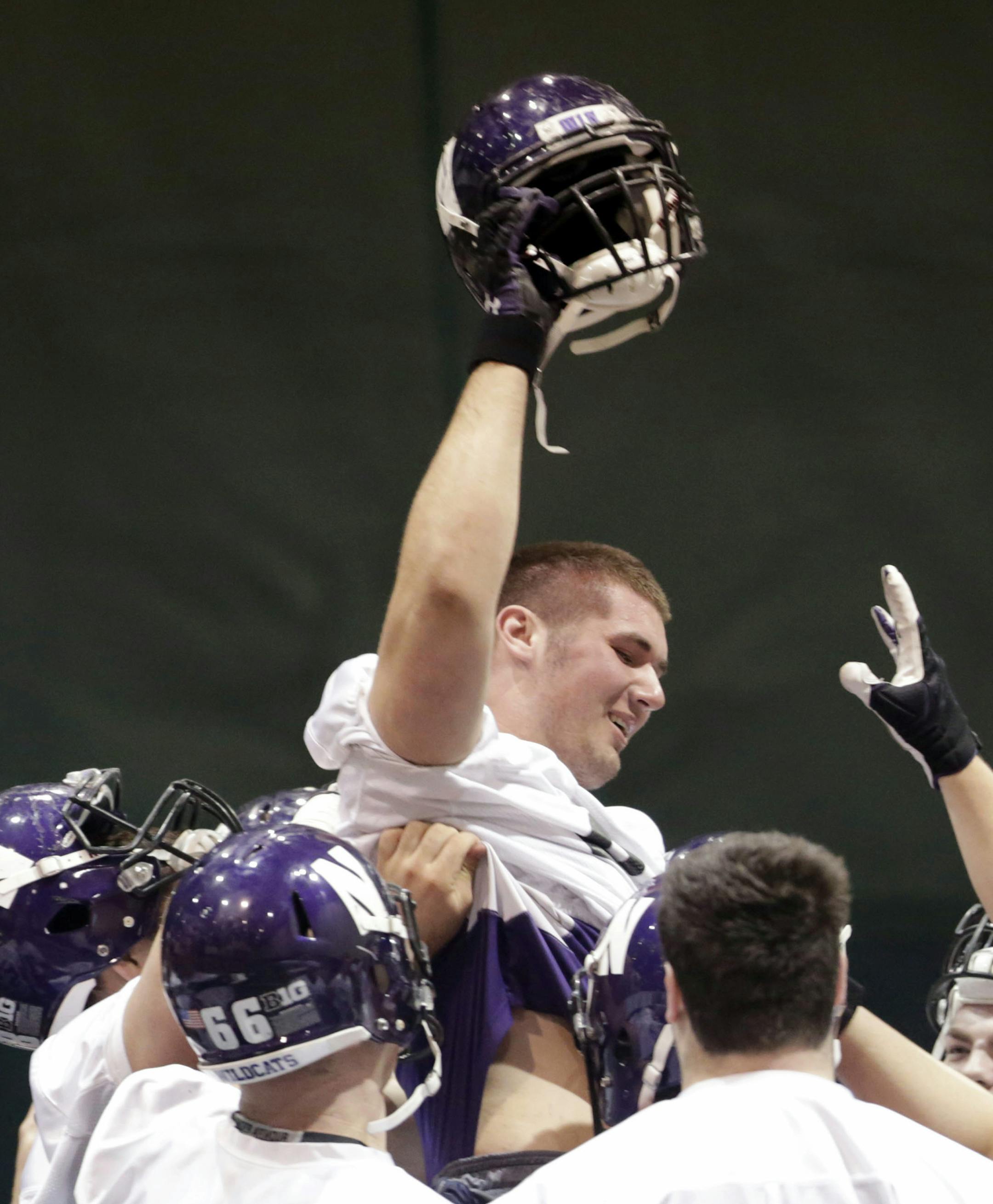
The NCAA is under siege in public perception and with ongoing antitrust lawsuits. Last week, a regional director of the National Labor Relations Board found that Northwestern football players fit the criteria of employees and should be allowed to unionize.
Pending legal appeals, that landmark case could redefine college athletics and how they operate. College athletes functioning as a union is a fascinating idea, but it's such a radical departure that it's difficult to comprehend the endgame.
Would athletes be able to strike? Could athletic departments institute lockouts? Would every scholarship athlete in every sport be granted membership?
This is a complicated issue with many tentacles, but the Northwestern case should provide more leverage in the anti-amateurism crusade. It's time for real reform. There is unprecedented money being pumped into college sports these days, but the athletes — the ones who provide the labor — remain unpaid participants.


