

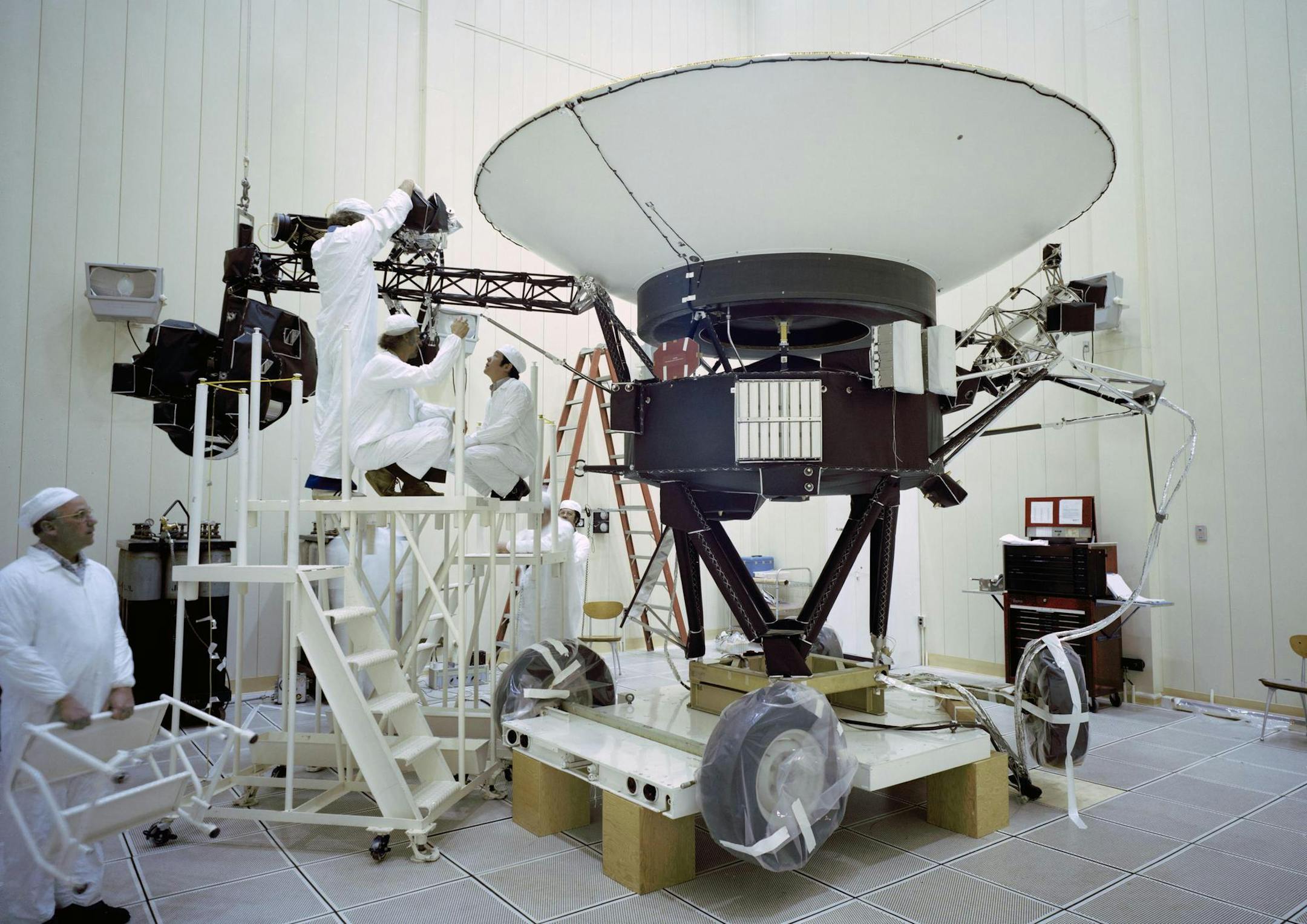
'Inside this bubble the sun creates'
The Voyager 2 spacecraft is now in interstellar space, NASA said, making it the second human-made machine to cross a boundary that divides our solar system from the rest of the Milky Way galaxy. Voyager 2 — now more than 11 billion miles from Earth — follows its twin, Voyager 1, which made the crossing in 2012. This passage is yielding new clues to how the sun affects space in the far reaches of the solar system. "We're inside this bubble the sun creates around itself," said Edward C. Stone, the mission's project scientist. "When Voyager was launched, we didn't know how large the bubble was, we didn't know how long it would take to get there, and we didn't know if the spacecraft could last long enough to get there." Yet the two plutonium-powered spacecraft, launched in 1977, continue to explore.
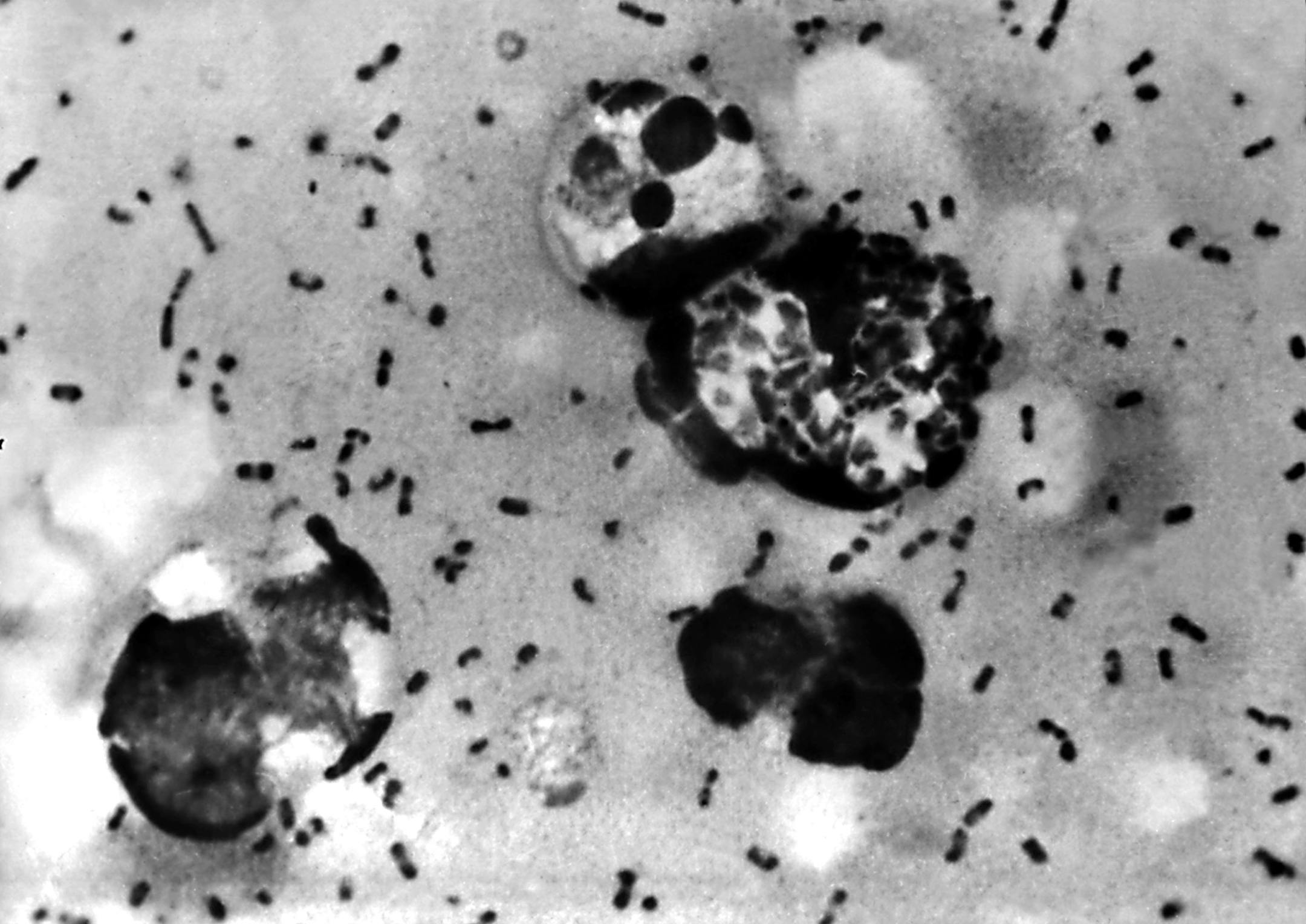
Oldest strain of plague is found
In an ancient grave in Sweden, scientists have unearthed the oldest known strain of a deadly bacteria that has killed millions of people over thousands of years. They call it Yersinia pestis. The plague. The discovery suggests that the bacteria has been wiping out great swaths of the human population, destroying empires, spurring political uprisings and leaving a permanent mark on regional gene pools for longer than realized. The bacteria may represent a previously unknown outbreak of plague that struck Europe as much as 5,700 years ago. "What we found in the Swedish grave site is not only the oldest sample of the Y. pestis genome but also the oldest version of the genome," said Simon Rasmussen, a metagenomics researcher at the Technical University of Denmark. "Think of it as the root of the tree."
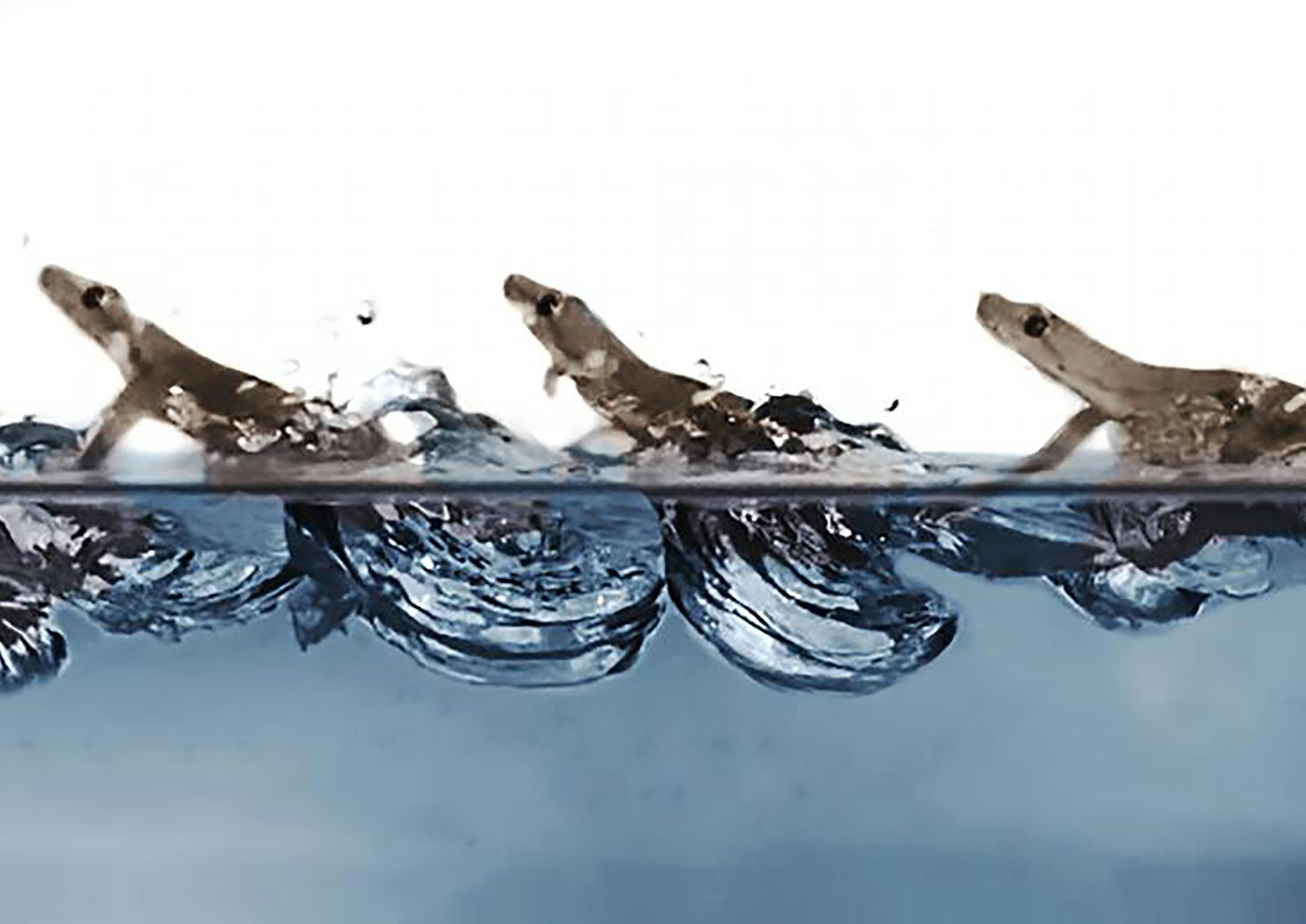
How geckos run on water
Many insects can skate, stride or whirl around on water's surface. But most larger animals usually have to swim. But among the exceptions are Asian house geckos. Researchers Jasmine A. Nirody and Judy Jinn reported that the geckos use running and swimming motions. They run on all four legs, slapping the water with their feet the way grebes and basilisks do, finishing the leg movements with paddle-like strokes that help raise most of their body above the water surface and push them forward. They also swim, using their tails the way alligators do. And their skin is very slippery and that helps their bodies hydroplane as the feet and tail power them forward. Their water speed was "virtually indistinguishable from their land running speed," Nirody said.


