
Scientists say Monsanto is taking agriculture in wrong direction

Ag giant is accused of working against sustainable farming — and therefore wildlife. Scientists cite urgency as farm bill is debated.

February 8, 2012 at 2:03AM
(The Minnesota Star Tribune)
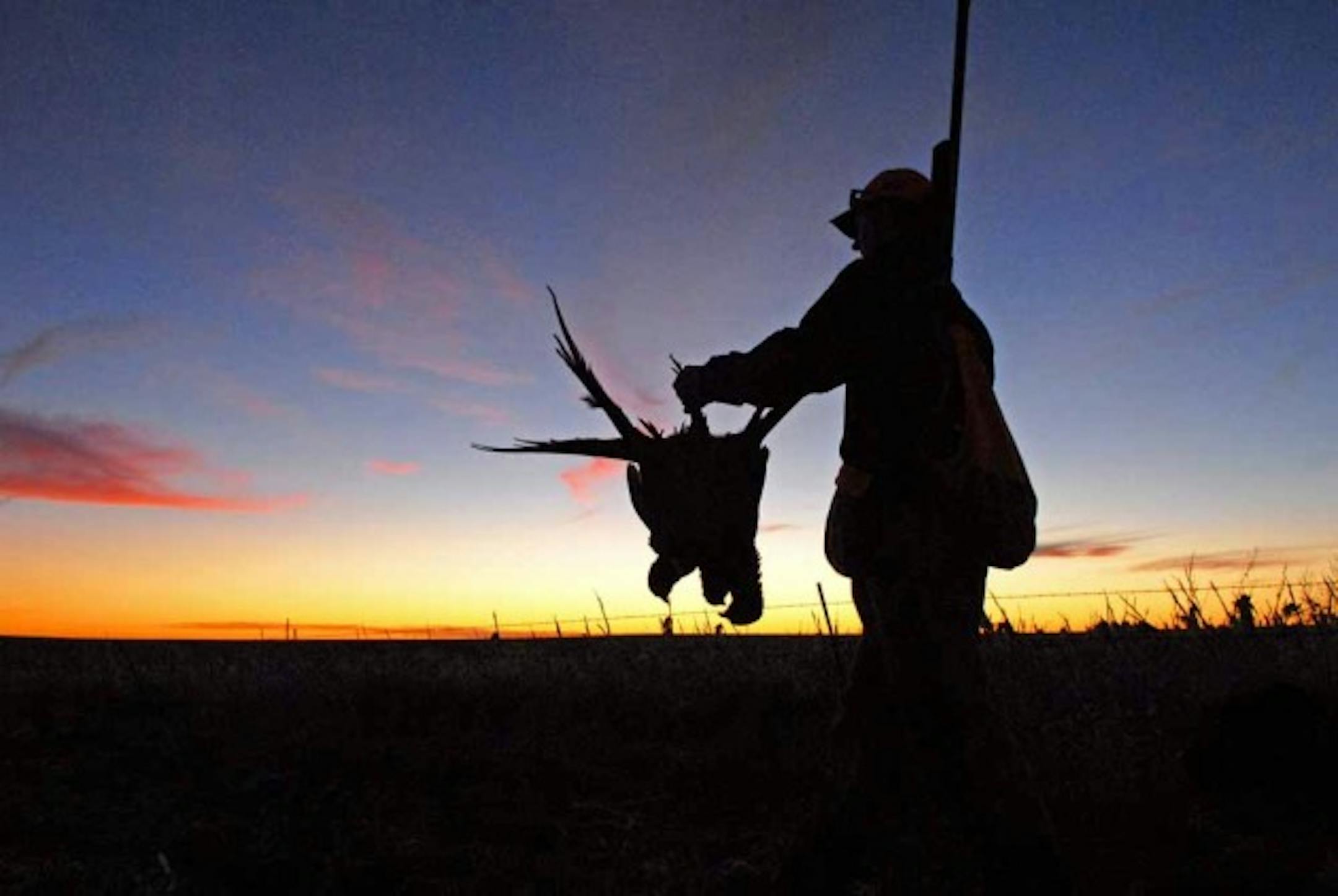
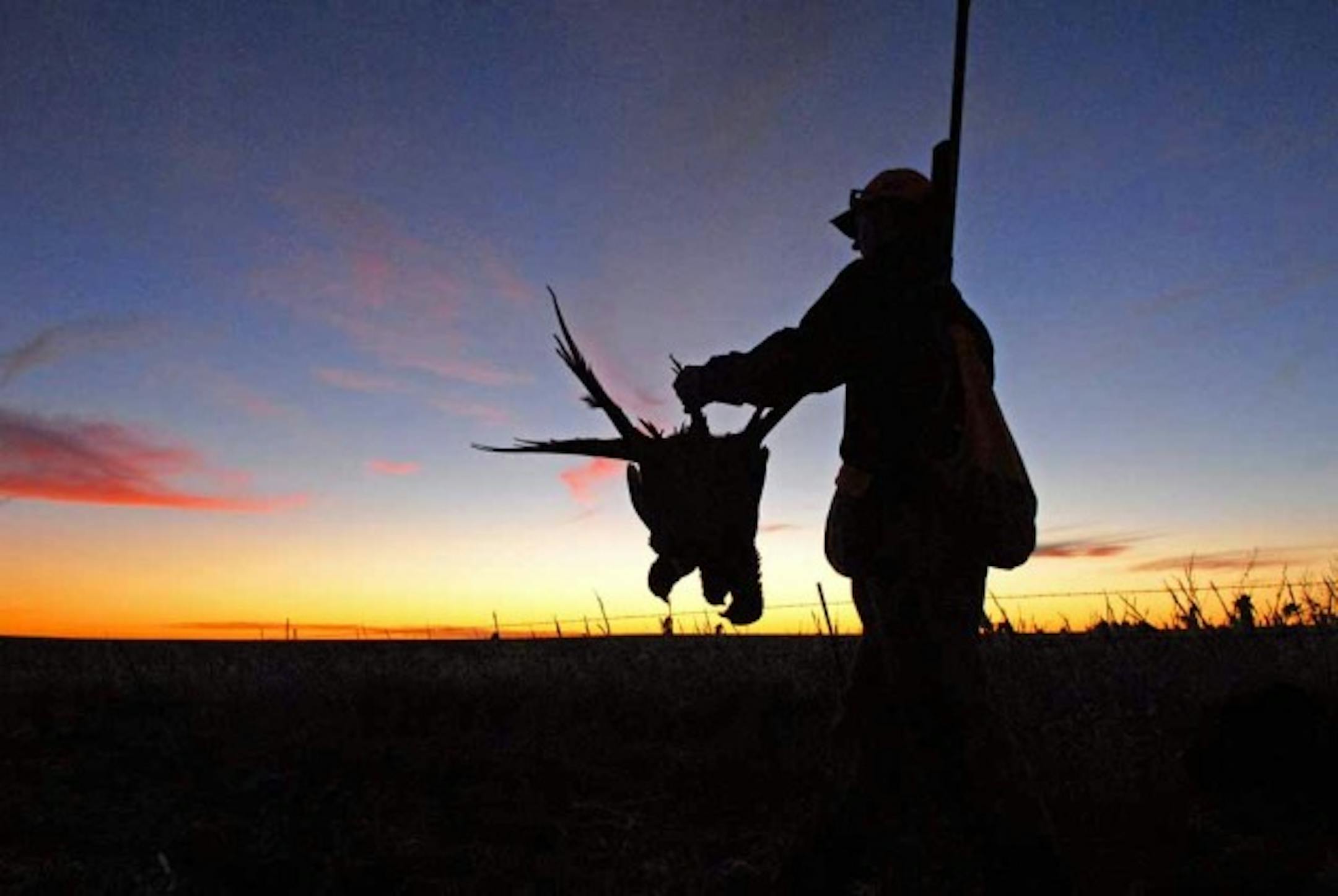
Pheasants, ducks and songbirds are among wildlife threatened by the spread into the central and western Dakotas of genetically modified crops.
Pheasants, ducks and songbirds are among wildlife threatened by the spread into the central and western Dakotas of genetically modified crops. (Dennis Anderson/The Minnesota Star Tribune)

The Union of Concerned Scientists on Tuesday gave ag giant Monsanto an "F" in sustainable agriculture.

Monsanto is a major player worldwide in the genetic engineering of new corn and other crop seeds, and in December was given the green light by the federal government to market "drought resistant" corn.

The company's latest engineering feat concerns conservationists because it likely spells the further spread of row crops such as corn into parts of the Dakotas, for example, that historically have been too dry to grow crops.

Instead, grasslands have covered these regions of the High Plains, not only helping to hold the soil together, but also providing valuable habitat for pheasants, ducks and other birds.

"Monsanto talks about 'producing more, conserving more, improving lives,' but its products are largely not living up to those aspirations," said Doug Gurian-Sherman, a senior scientist with UCS's Food and Environment Program. "In reality, the company is producing more engineered seeds and herbicide and improving its bottom line, but at the expense of conservation and long-term sustainability."

On a new web feature, the scientists group looks at how Monsanto has failed, in the organization's view, on its promise of aiding sustainable agriculture, including:

1. Fostering weed and insect resistance. Monsanto's RoundupReady and Bt technologies lead to resistant weeds and insects that can make farming more difficult and reduce sustainability.

2. Increasing herbicide use. Roundup resistance has led farmers to use more herbicides, which threatens biodiversity, sustainability and human health.

ADVERTISEMENT

3. Spreading gene contamination. Engineered genes have a bad habit of turning up in non-genetically engineered crops. When that happens, sustainable farmers—and their customers—pay a high price.

4. Expanding monocultures. Monsanto's focus on a few commodity crops contributes to reduced biodiversity and, as a consequence, to more pesticide use and fertilizer pollution.

5. Marginalizing alternatives. Monsanto single-minded focus on genetic engineering fixes may come at the expense of cheaper, more effective solutions, such as classical crop breeding and ecological farming methods.

6. Lobbying and advertising: Monsanto spends more than other agribusiness companies to persuade Congress and the general public to support the industrial agriculture status quo.

7. Suppressing research. Monsanto thwarts independent research on its products, making it more difficult for farmers and policymakers to make informed decisions that could foster more sustainable agriculture.

8. Falling short on feeding the world. Monsanto's genetically engineered crops have done little to increase crop yields. Regardless, the company stands in the way of proven, scientifically defensible solutions.

"Crop breeding is cheaper and more productive than the genetic engineering that Monsanto aggressively pushes. And proven ecological farming methods, ignored by Monsanto, rely on fewer pesticides and fossil-fuel-based fertilizers," noted Gurian-Sherman. "But some of these practices conflict with the agricultural model that generates the company's profits."

According to the scientists, Monsanto spent $8 million lobbying in 2010, and more than $400,000 in political contributions that year. It also spent $120 million in advertising.

"The undue influence of companies like Monsanto result in food policies that encourage less diversity, and an over-reliance on herbicides and insecticides," said Karen Perry Stillerman, senior analyst with the UCS Food and Environment Program. "As the farm bill is currently being debated in Congress, now is the time to prioritize sustainable agriculture alternatives to genetically engineered crops in our food policies."

about the writer

about the writer

Dennis Anderson

Columnist

Outdoors columnist Dennis Anderson joined the Star Tribune in 1993 after serving in the same position at the St. Paul Pioneer Press for 13 years. His column topics vary widely, and include canoeing, fishing, hunting, adventure travel and conservation of the environment.

See Moreicon

More from Sports

See More
card image
Carlos Gonzalez/The Minnesota Star Tribune

The Wolves didn’t appear engaged at either end of the floor and lost for the third time in four games.

card image
card image