

Faraz Zaidi and Daniel Park peered at a series of small, black blots that appeared on a clear sheet of plastic — confirming they had created a type of protein that, until January, was unknown to science.
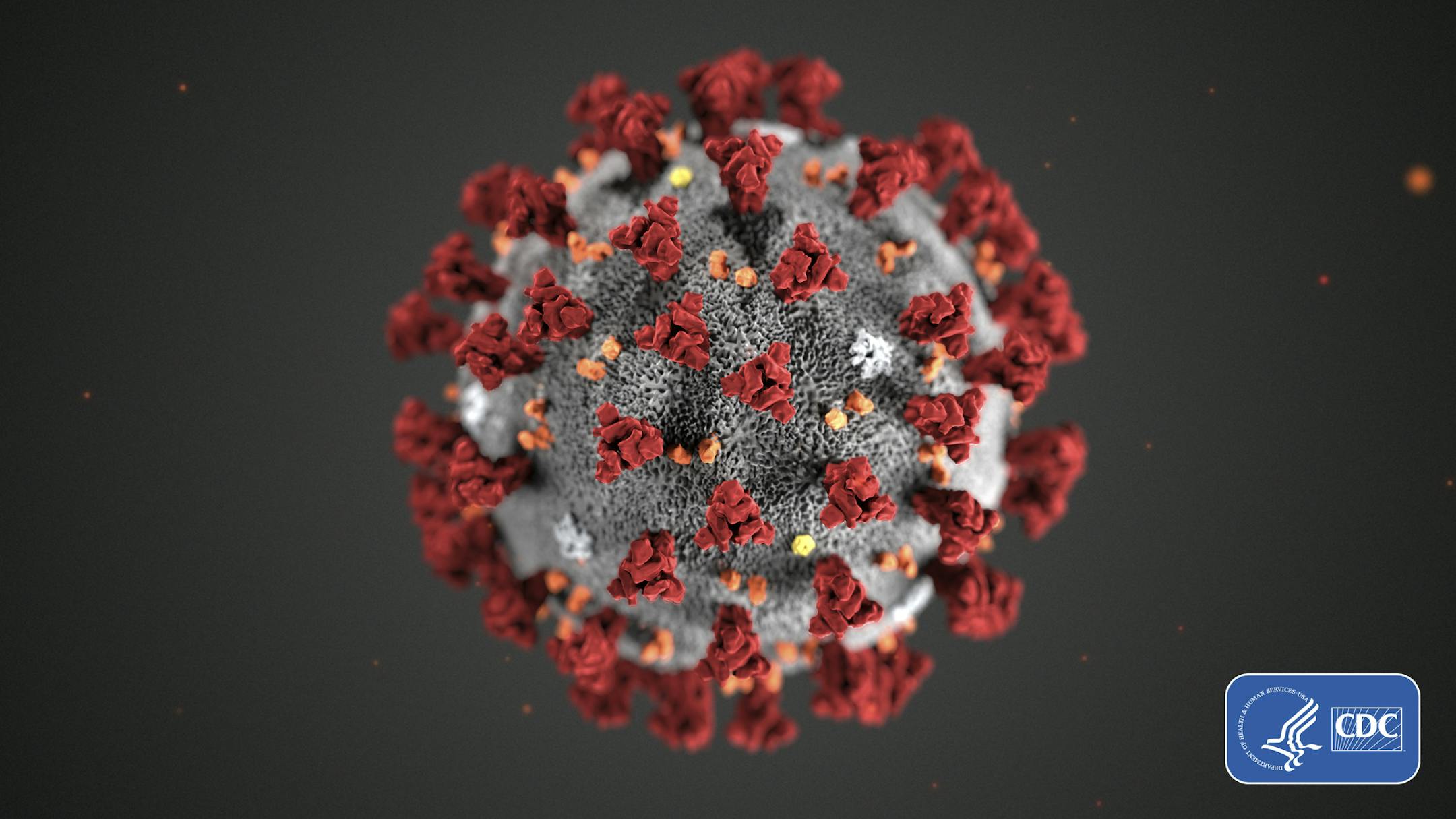
It was alerting them to the presence of the microscopic "spikes" on a coronavirus.
From the moment the Chinese government published the microbe's genetic code in January, scientists such as Zaidi and Park have been racing to develop a vaccine. The pair work in the lab of David B. Weiner at Philadelphia's Wistar Institute, which is collaborating with Inovio Pharmaceuticals and others to deliver a vaccine within months. That's a fast timetable, made possible by an approach Weiner helped pioneer.
Unlike traditional vaccines, which contain killed or weakened forms of the virus in question, Inovio's product contains genetic instructions to make just a fragment of a virus: a single type of protein.
The old method requires extensive testing to ensure the weakened viruses will not make anyone sick. The newer DNA vaccines can be proven safe much more quickly, said Weiner, who serves on Inovio's board. "If you wanted to do this the old-fashioned way, we'd be talking about a many year project," he said.
Whether the immune system is being exposed to a weakened or killed virus, or just a fragment, the goal is the same: teaching the body to defend itself should it ever encounter a real infection.
Several other teams around the world also are working on a vaccine. People who become infected with coronavirus tend to develop mild symptoms such as a cough, and recover on their own. But a minority of patients have come down with severe, pneumonia-like symptoms.
Inovio scientists "printed" their vaccine in hours with a DNA synthesizer: a computerized system that fuses chemical base pairs in the correct order. However, testing its safety and effectiveness in humans will take months.


