Some serious groundwork has been laid. Amazing instruments are turning on. Incredible destinations are in sight. If you ask us, 2015 is going to be an awesome year in science. From solar system exploration to new adventures in particle physics to the possible defeat of a microscopic foe, here are some of the big science stories expected to make news this year.
After nine-year journey, spacecraft to give our first good look at Pluto
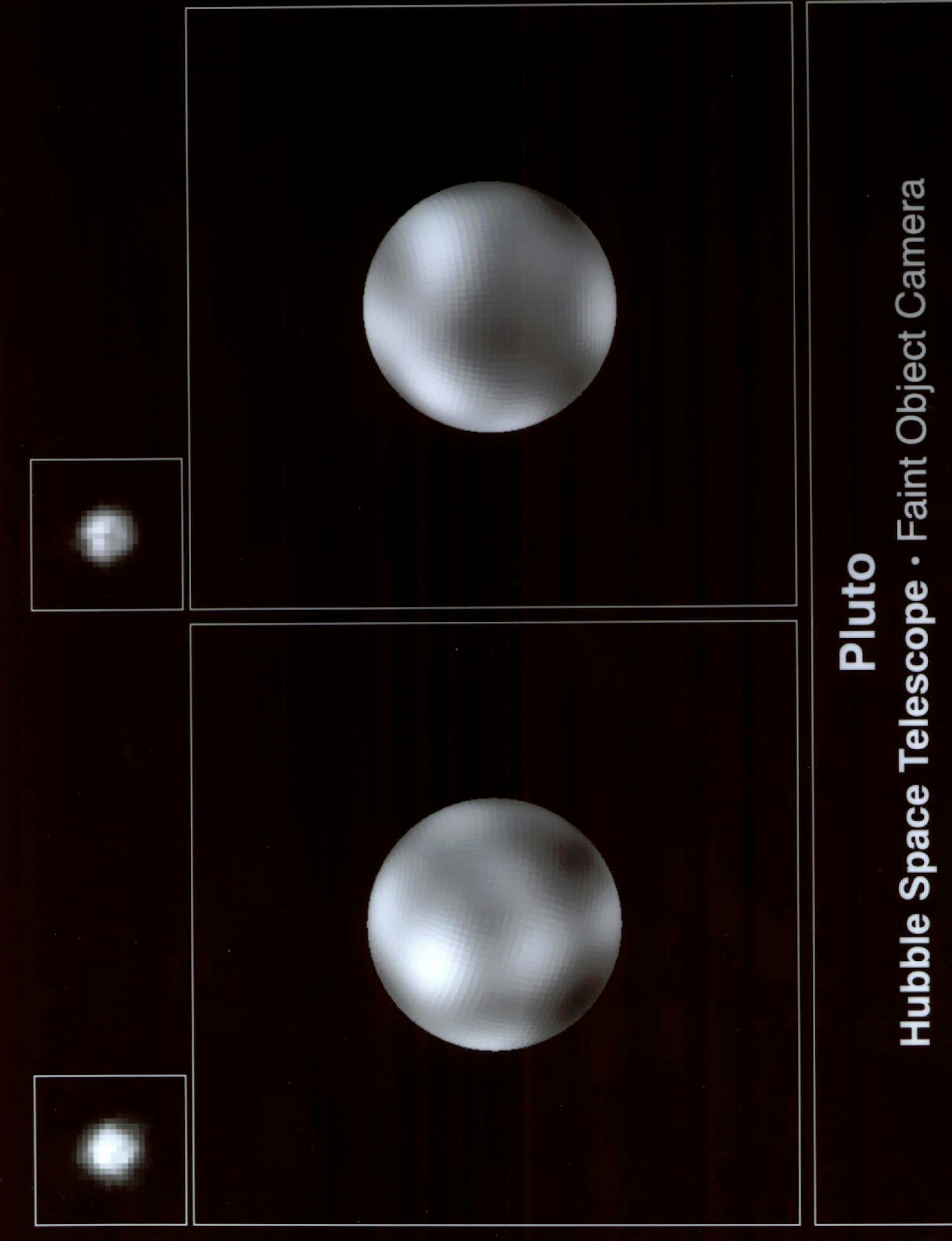
Our telescopes take amazing images of distant galaxies, but the best pictures of Pluto are fuzzy and difficult to interpret. That's about to change. In 2015 humans will get a good look at the dwarf planet — for the very first time.
After a nine-year journey across nearly 3 billion miles of the solar system, NASA's New Horizons spacecraft and its high-definition cameras are closing in on Pluto. A suite of instruments will start taking scientific measurements on Jan. 15. The closest approach, when the spacecraft gets within 7,700 miles from the planet, is scheduled for July.
The search for ripples in the structure of spacetime
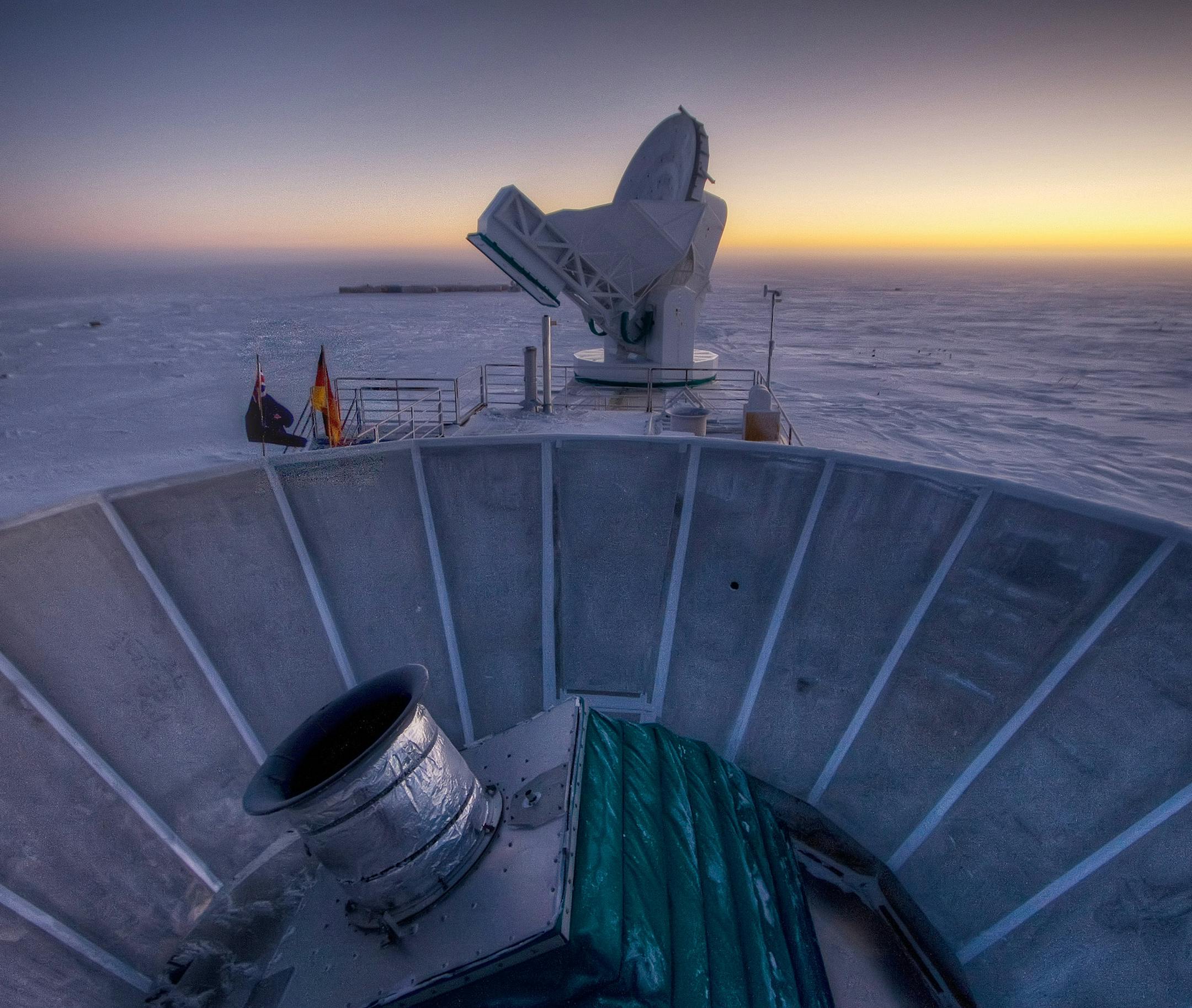
Scientists in the BICEP2 collaboration rocked the astrophysics world when they announced in March that they had picked up signs of cosmic inflation — the universe's giant growth spurt shortly after the Big Bang — as well as evidence of gravitational waves, ripples in the structure of spacetime that have been theorized but never detected. Data from the European Space Agency's Planck spacecraft, however, allowed other researchers to poke holes in the findings, leaving the discovery up for debate.
More findings are set to be published this month, said California Institute of Technology astrophysicist James Bock, one of the lead scientists on the BICEP2 team. The team will continue to scan the skies in 2015 with their next-generation experiment, BICEP3.
Meanwhile, the Laser Interferometer Gravitational Wave Observatory, or LIGO, is searching for gravitational waves at facilities in Washington and Louisiana. Although the experiment struck out during its 2002-10 run, scientists are set to unleash their newly built Advanced LIGO detectors, which are 10 times more sensitive than their predecessors. "We're planning to resume our search for gravitational waves with Advanced LIGO in late summer or early fall 2015," said David Reitze, executive director of the LIGO Laboratory at Caltech.
Encounter with very big asteroid that could reveal new secrets
In March, NASA's Dawn spacecraft is set to rendezvous with Ceres, the largest member of the asteroid belt and one of five dwarf planets in the Solar System. (The others are Haumea, Makemake, Eris and Pluto.)
Ceres is Dawn's second stop; its first was Vesta, which the spacecraft circled from July 2011 to September 2012.