horton really does hear a who
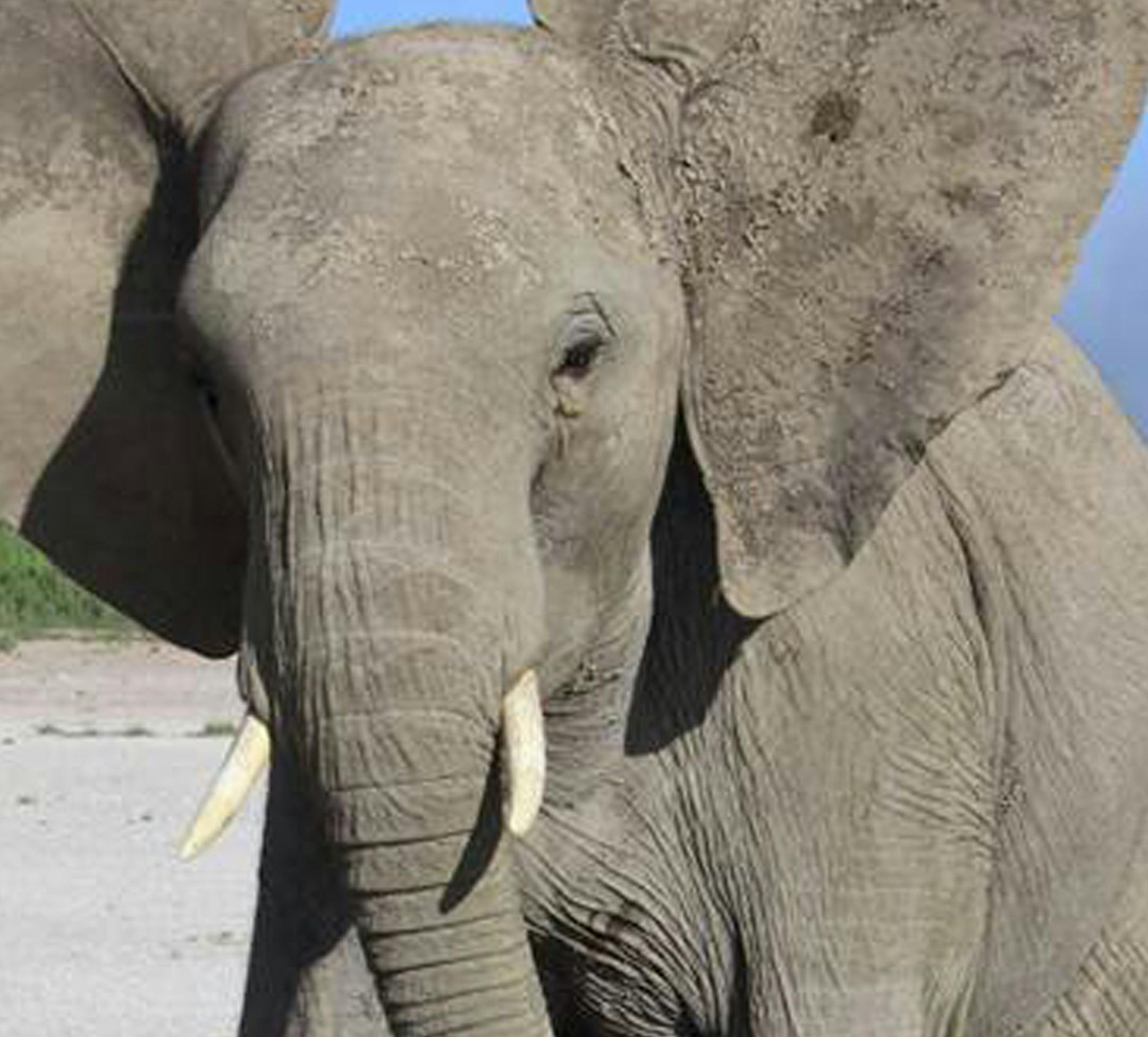
Dr. Seuss had it right. Wild elephants can distinguish between human languages, and they can tell whether a voice comes from a man, woman or boy. That's what researchers found when they played recordings of people for elephants in Kenya. Scientists said this is an advanced thinking skill that other animals haven't shown. It lets elephants figure out who is a threat and who isn't. It shows that while humans are studying elephants, the animals also are studying people and drawing on their famed powers of memory, said Karen McComb, author of the study in Proceedings of the National Academy of Sciences and a professor of animal behavior and cognition at the University of Sussex in England. "Memory is key. They must build up that knowledge," she said. It's similar to the Dr. Seuss book, where the elephant Horton hears something that others can't hear. Co-author Graeme Shannon of Colorado State University, added, "They are making such a fine-level discrimination using human language skills. … The only way of doing this is with an exceptionally large brain."
gene plays role in butterfly mimicry
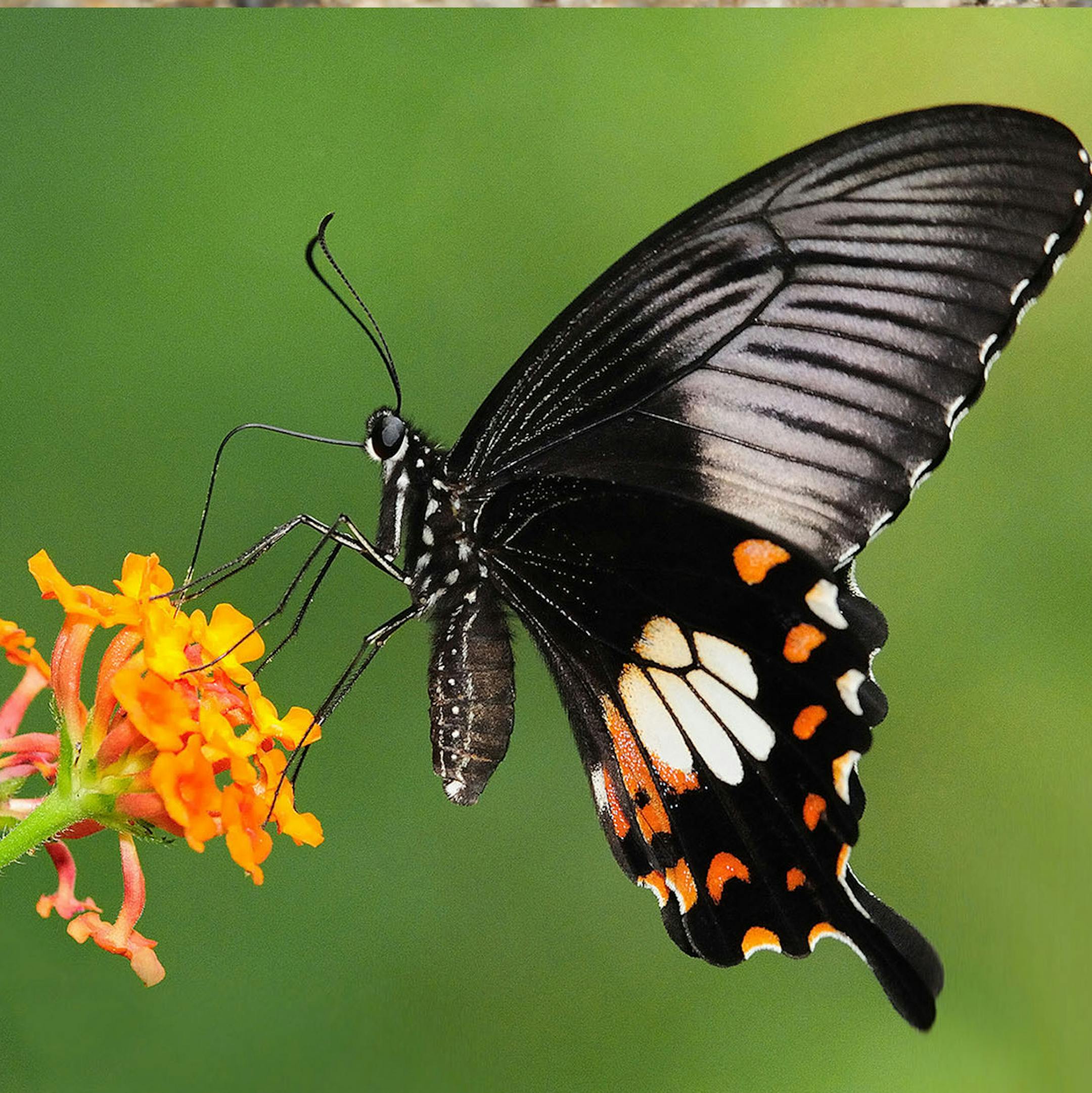
Pity the poor male common Mormon swallowtail butterfly. His potential female consorts bear four different color patterns, only one of which looks familiar. The rest look suspiciously like other species, and toxic ones at that. Surprisingly, it is just one gene that allows female swallowtails to produce the elaborate wing markings of toxic relatives in order to fool predators. Scientists had proposed that it would take a cluster of genes, a so-called super gene. "We were very shocked when we found it was just the one," said Marcus Kronforst of the University of Chicago, senior author of the study published online by the journal Nature. The gene was known to play a different role, basically telling body cells whether the insect is male or female. It was apparently co-opted to take on the second job of controlling wing patterns in females, Kronforst said. The gene acts as a switch, regulating other genes to produce wing patterns that mimic those of any of three species of toxic butterflies. A given butterfly's pattern depends on what versions of the gene it inherited. The gene can also make a female's wing look like a male's.
horton really does hear a who
Dr. Seuss had it right. Wild elephants can distinguish between human languages, and they can tell whether a voice comes from a man, woman or boy. That's what researchers found when they played recordings of people for elephants in Kenya. Scientists said this is an advanced thinking skill that other animals haven't shown. It lets elephants figure out who is a threat and who isn't. It shows that while humans are studying elephants, the animals also are studying people and drawing on their famed powers of memory, said Karen McComb, author of the study in Proceedings of the National Academy of Sciences and a professor of animal behavior and cognition at the University of Sussex in England. "Memory is key. They must build up that knowledge," she said. It's similar to the Dr. Seuss book, where the elephant Horton hears something that others can't hear. Co-author Graeme Shannon of Colorado State University, added, "They are making such a fine-level discrimination using human language skills. … The only way of doing this is with an exceptionally large brain."
news services