
Scanning software reveals artists' influences

Computers are revealing influences art historians had not seen

November 15, 2014 at 8:09PM
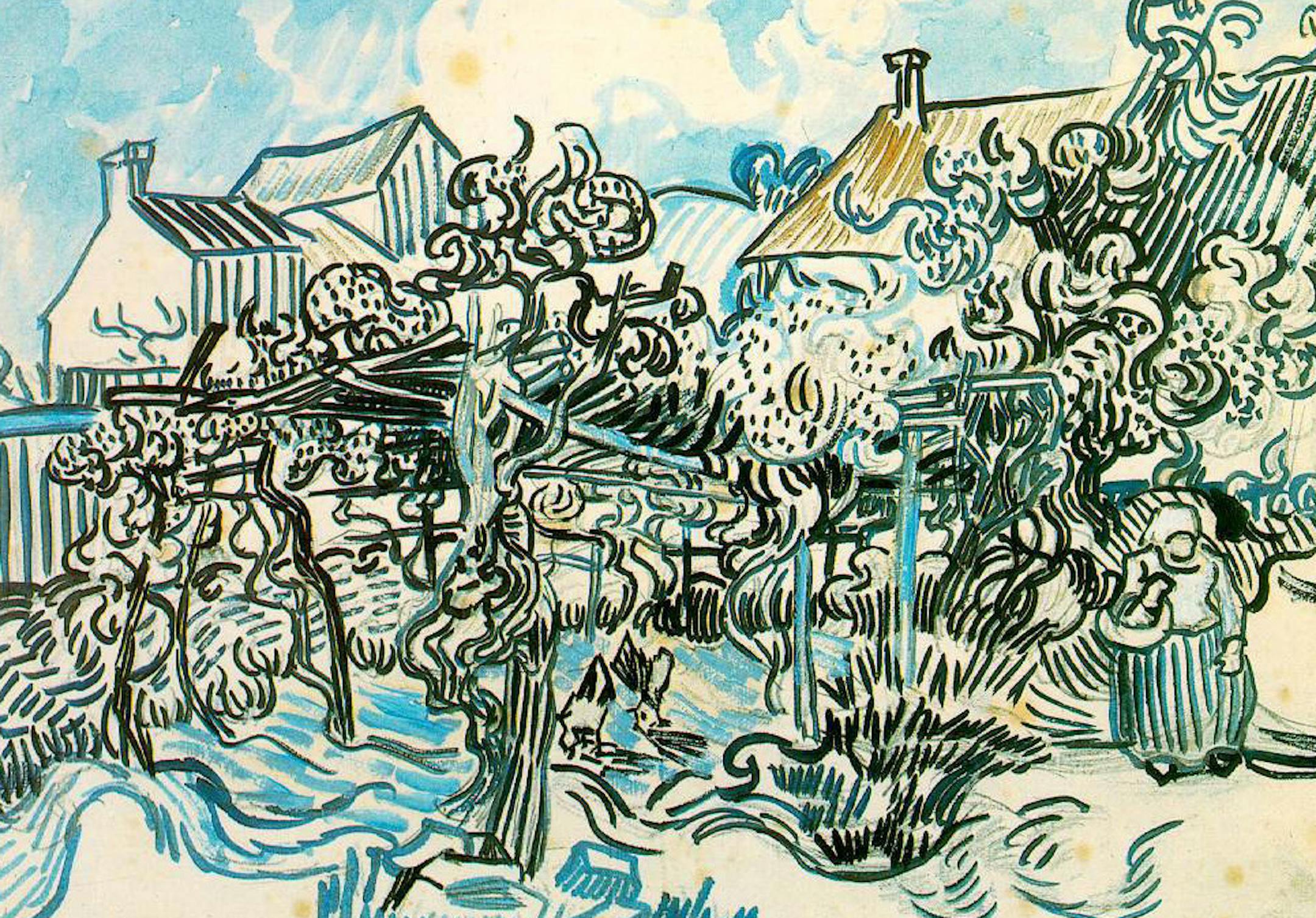
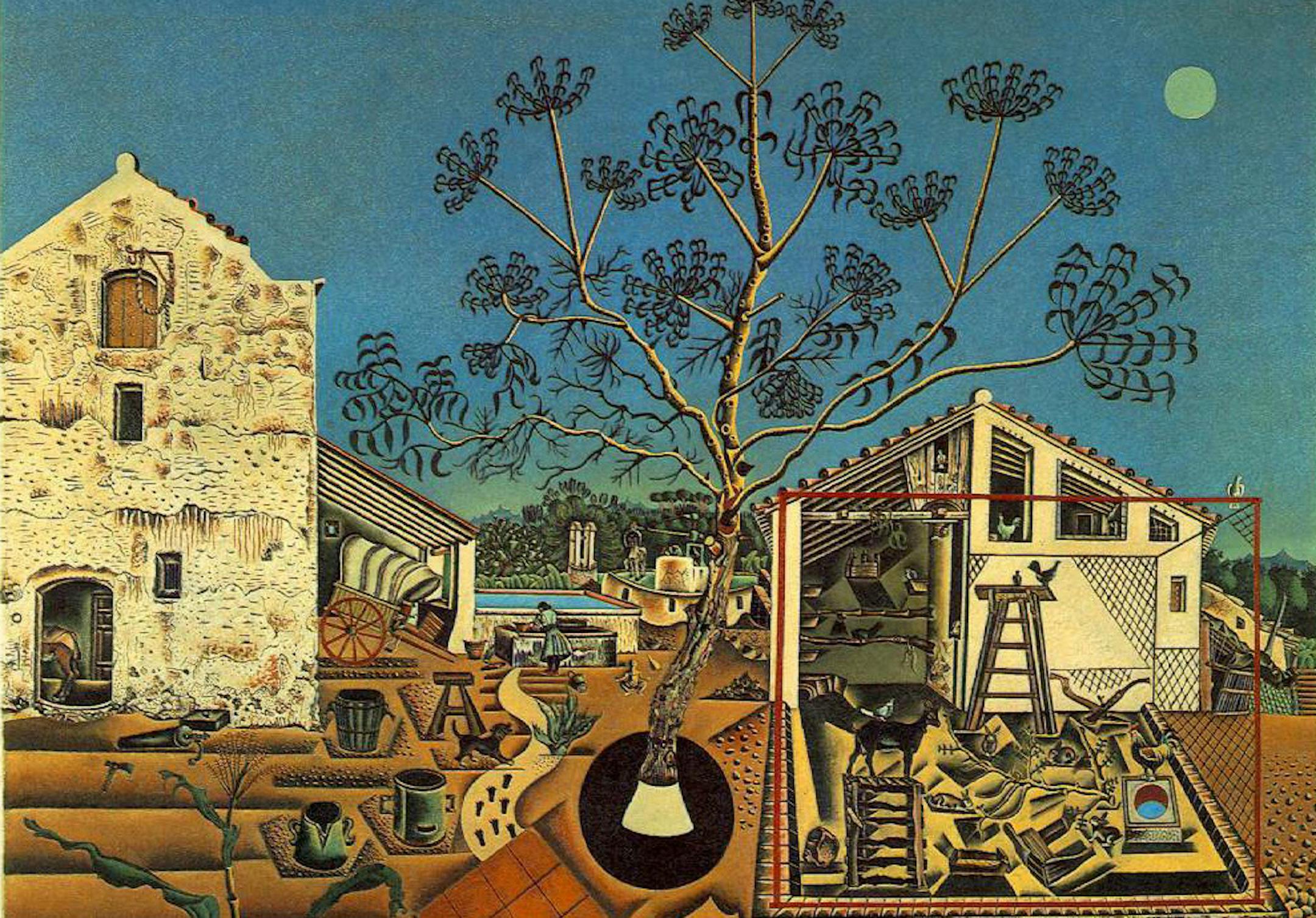
A Rutgers University computer picked up similarities between Vincent van Goghís ìOld Vineyard with Peasant Womanî (1890), left, and Joan Miroís ìThe Farmî (1922). Illustrates ARTISTS (category f), by Mohana Ravindranath (c) 2014, The Washington Post. Moved Monday, Nov. 10, 2014. (MUST CREDIT: Comparison courtesy of Rutgers Universityís Department of Computer Science)
A Rutgers University computer picked up similarities between Vincent van Goghís ìOld Vineyard with Peasant Womanî (1890), left, and Joan Miroís ìThe Farmî (1922). Illustrates ARTISTS (category f), by Mohana Ravindranath (c) 2014, The Washington Post. Moved Monday, Nov. 10, 2014. (MUST CREDIT: Comparison courtesy of Rutgers Universityís Department of Computer Science) (The Minnesota Star Tribune)

By Mohana Ravindranath • Washington Post

At Rutgers University in New Jersey, scientists are training a computer to do instantly what might take art historians years: analyze thousands of paintings to understand which artists influenced others.

The software scans digital images of paintings, looking for common features — composition, color, line and objects shown in the piece, among others. It identifies paintings that share visual elements, suggesting that the earlier painting's artist influenced the later one's.

The project is part of a broader effort to apply computer science techniques to the humanities. This year, the university established a Digital Humanities Lab, based in its Computational Biomedicine Imaging and Modeling Center. The art application is among its first projects.

The field is growing. The Getty Foundation in Los Angeles provides grants to researchers in digital art history; George Mason University's Roy Rosenzweig Center for History and New Media, one of the recipients, received $155,000. And Washington's Folger Shakespeare Library recently was awarded a grant to digitize its collection of manuscripts and artwork.

But some art historians — including Lisa Strong, director of Georgetown University's art and museum studies program — are skeptical about visual algorithms such as the one in development at Rutgers. "You can't really impose a scientific framework so profitably on an exercise like painting analysis," she said. "It's all subjective."

Still, the software has revealed some connections that art historians had not — at least, according to the team's survey of existing art history literature, said Ahmed Elgammal, an associate professor of computer science, who has been working on the project for about three years. "The advantage is it can easily mine thousands and millions of art works in a very [efficient] way."

For instance, after churning through a database of 1,700 pieces created between the 15th and 20th centuries, its visual algorithm zeroed in on American artist Norman Rockwell's "Shuffleton's Barbershop," completed in 1950, and French impressionist painter Frederic Bazille's 1870 "Bazille's Studio; 9 rue de la Condamine."
Both Rockwell's depiction of a barbershop, seen through a window, and Bazille's painting of his studio have heating stoves on the right side; roughly where Bazille's has a window, Rockwell has placed a door; and the composition of objects in each painting creates a triangular space in the lower left corner.

The software also picked up similarities in composition between Vincent van Gogh's 1890 painting "Old Vineyard with Peasant Woman" and Joan Miro's 1922 "The Farm."

However, Elgammal said stressed, "Our final goal is not to get a final answer. [Rather, it is] to be a tool to art historians, so it can help them do their job."

A Rutgers University computer picked up similarities between Vincent van Goghís ìOld Vineyard with Peasant Womanî (1890), left, and Joan Miroís ìThe Farmî (1922). Illustrates ARTISTS (category f), by Mohana Ravindranath (c) 2014, The Washington Post. Moved Monday, Nov. 10, 2014. (MUST CREDIT: Comparison courtesy of Rutgers Universityís Department of Computer Science) ORG XMIT: MIN1411101210010696
comparison: A Rutgers University computer picked up similarities between Vincent van Gogh’s 1890 “Old Vineyard with Peasant Woman,” at top, and Joan Miro’s “The Farm,” painted decades later. (The Minnesota Star Tribune)
about the writer

about the writer

More from No Section

See More
FILE -- A rent deposit slot at an apartment complex in Tucker, Ga., on July 21, 2020. As an eviction crisis has seemed increasingly likely this summer, everyone in the housing market has made the same plea to Washington: Send money — lots of it — that would keep renters in their homes and landlords afloat. (Melissa Golden/The New York Times) ORG XMIT: XNYT58
Melissa Golden/The New York Times

It’s too soon to tell how much the immigration crackdown is to blame.