

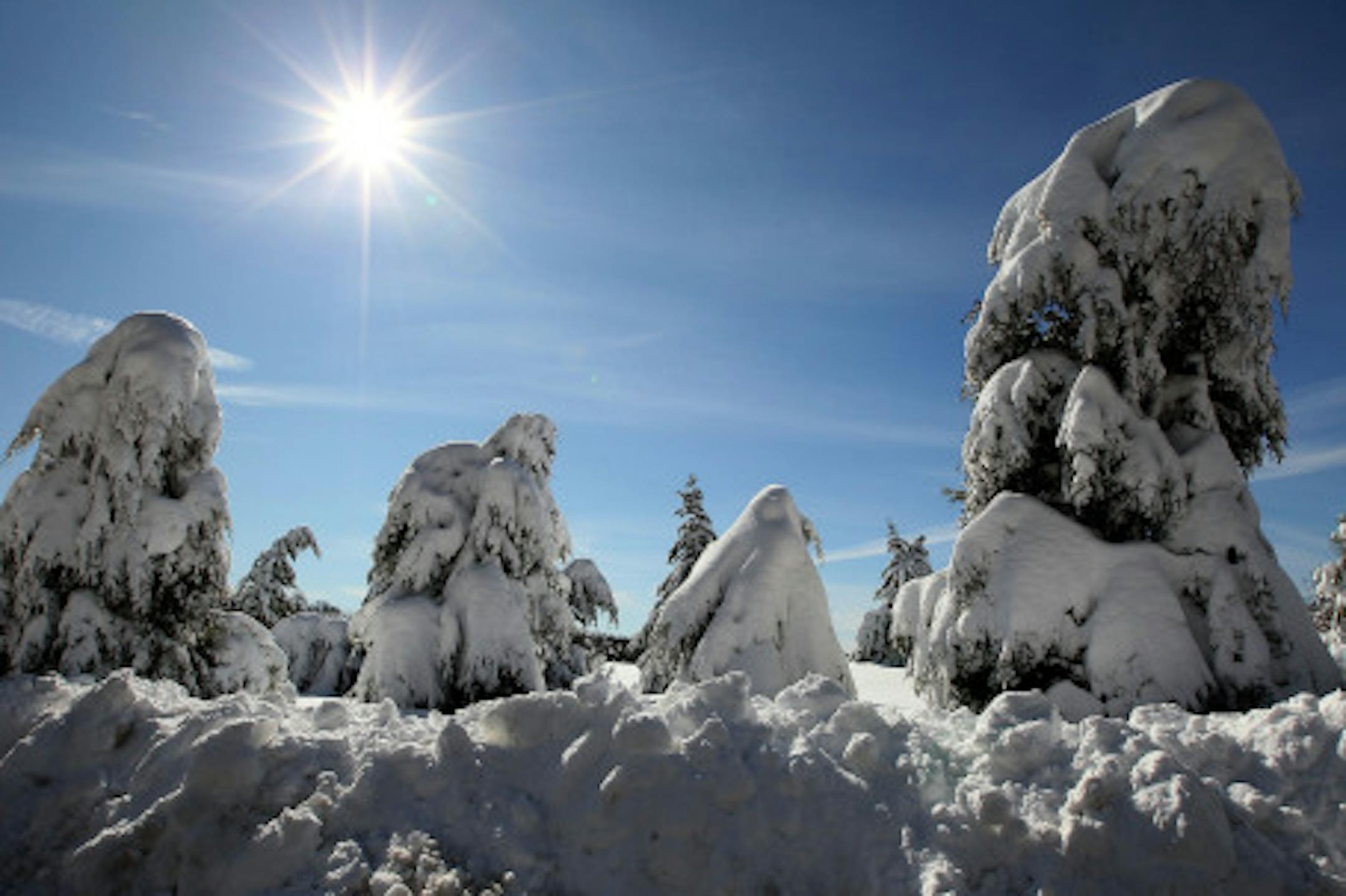
If the forecasters are right, we could get another 8 to 10 inches of snow by the time this storm is over. That means lots of shoveling of driveways and sidewalks. But should you also try to get the snow off your roof? What about your shrubs and trees?
Probably not.
I used to shovel the roof of my one-story house regularly. I kinda liked the job. It was more exciting than shovleing the walk and the view was better. I did it because my house was prone to ice dams. Turns out all that shoveling didn't stop the ice dams (insulating the attic did) and it may have damaged the shingles on my roof. One new roof -- and one long lecture from the roofer -- later, I no longer shovel my roof.
Here's what the Star Tribune's Fixit has to say about roof shoveling:
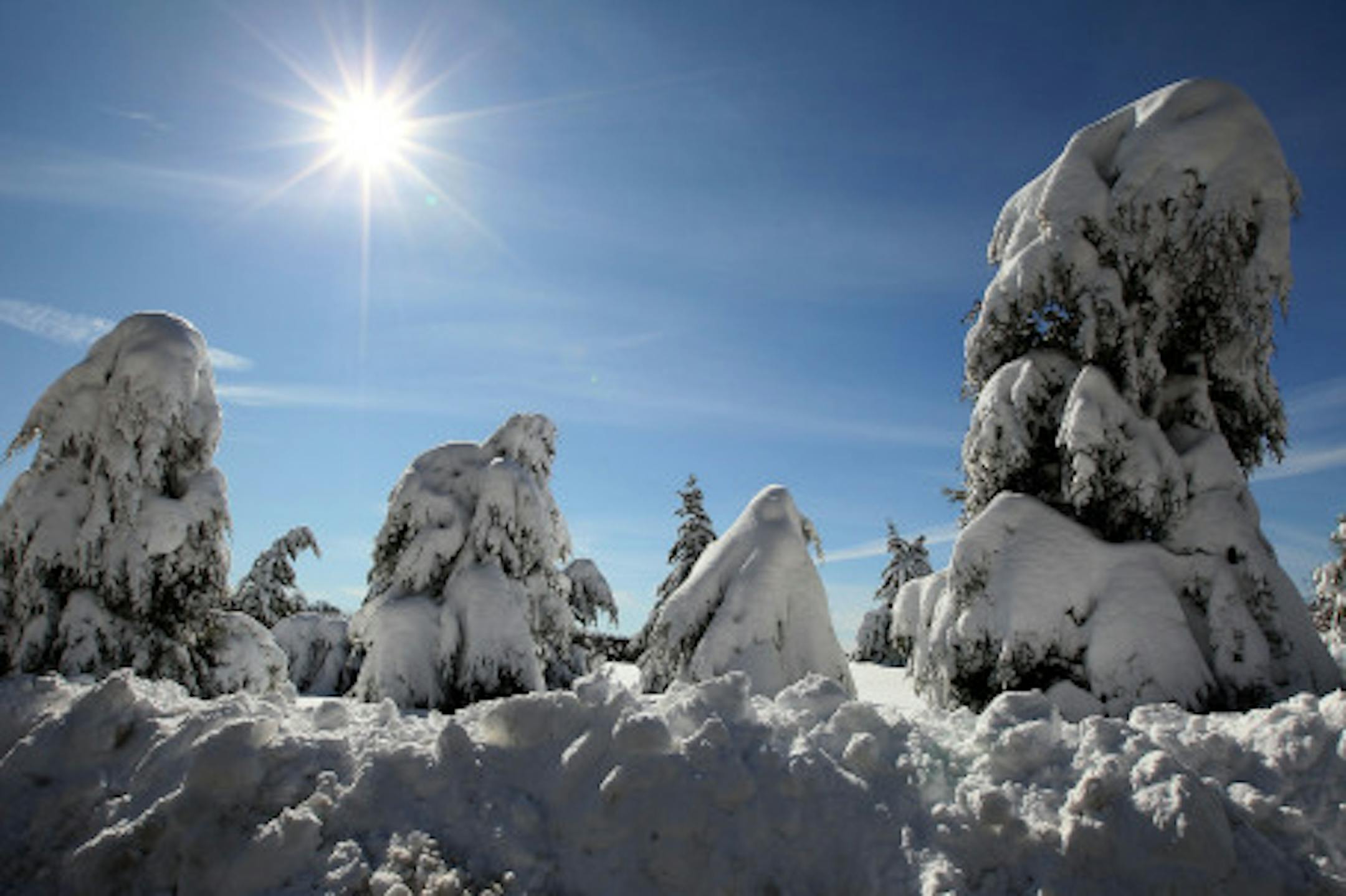
Shoveling ice and snow can damage shingles and shorten the life of the roof. You might not notice the damage right away, but you may see it after spring rains wash the loosened granules down. Sometimes, even parts of shingles will break loose. (Photo by Mark WIlson, Getty Images)
If you do decide to remove some of the snow from your roof, don't use use force and avoid removing snow all the way down to the shingles. If you use a roof rake, take extra care around power lines. If your roof develops serious ice dams, try using an ordinary sidewalk deicer. (Calcium chloride and corn-based formulas are preferred.) Place some along the edge of the roof where the ice dam sits. This should bring down the edge of the ice dam enough to drain the water behind it. You also could try to create drainage channels in the ice by placing the deicer on the ice in lines perpendicular to the roof's edge.
If you don't want to tackle the job yourself, you could hire a roofer to clear the roof of snow and cut channels into the ice to drain the dammed water. An alternative treatment that some roofers offer is steam removal of roof ice and snow. This is safer for the roof. Although it may be more expensive initially, it is less expensive than paying for anew roof. Of course, preventing ice dams is the best approach. And the best way to do that is to seal air leaks into the attic.
What about trees and shrubs?


