

"Charlotte, are you not excited to be returning?"
When that question is posed in the opening moments of the trailer for the second season of "Sanditon," it sounds very much like a humorous nod to the show's own history.
"Sanditon," based on Jane Austen's unfinished final novel, first aired in Britain in 2019 and wasn't renewed by its principal broadcaster, ITV, after disappointing viewing numbers. But the show, which had largely positive reviews, garnered a passionate following, and after a well-focused campaign by fans and a successful American run in early 2020, "Sanditon" is now returning for at least two more seasons. The six-part Season 2 premiered Sunday on PBS' "Masterpiece."
Austen had written 11 chapters of "Sanditon" and begun a 12th when she stopped working on it in early 1817, a few months before she died, at 41.
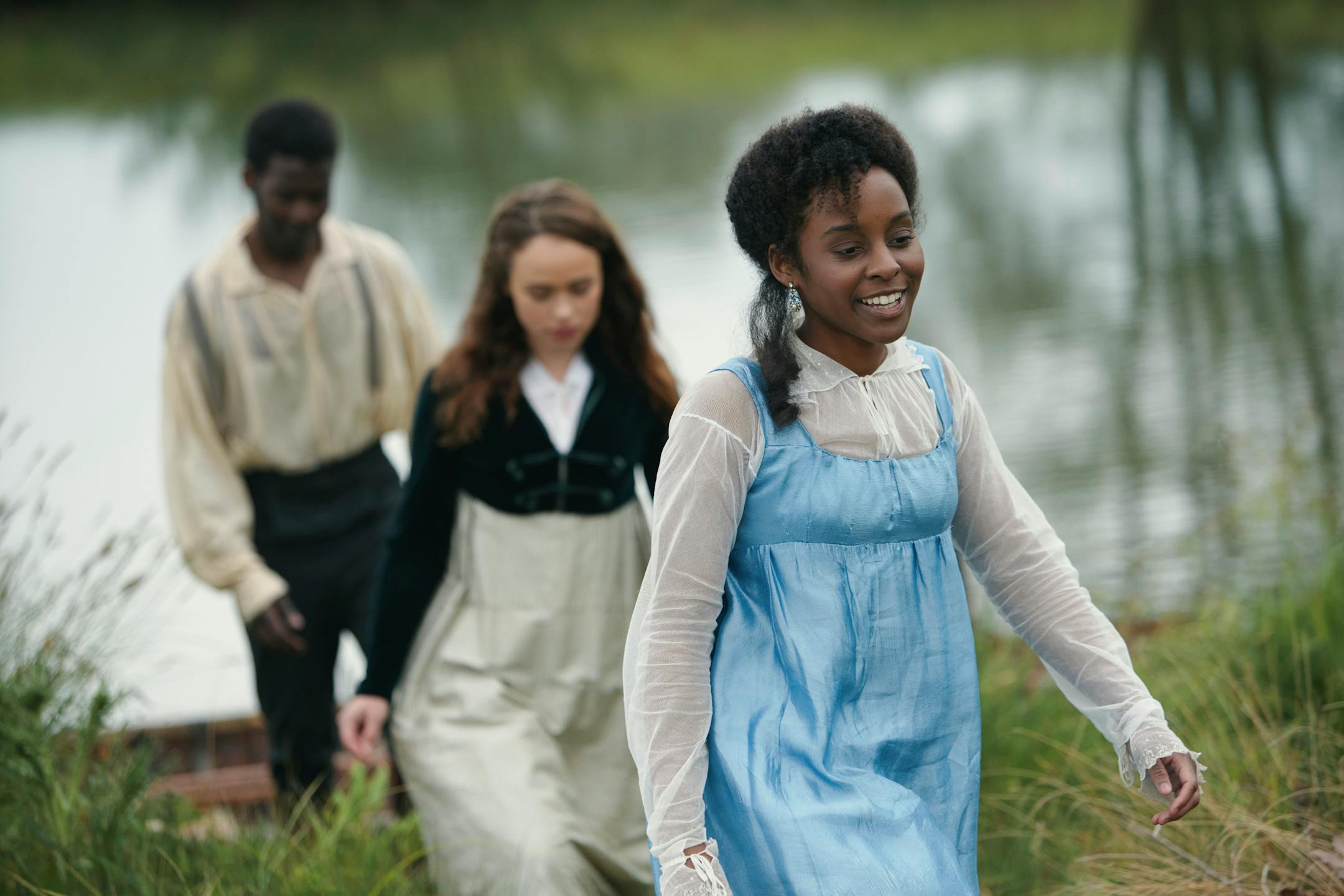
The incomplete novel, which wasn't published until 1925, is set in the quiet seaside town of Sanditon, which entrepreneur Tom Parker (played by Kris Marshall in the series) is trying to turn into a fashionable resort. Charlotte Heywood (Rose Williams), a young woman from a modest farming family, befriends the Parkers after their carriage crashes near her home. Soon, she meets Tom's dashing brother Sidney (Theo James) and learns about Georgiana Lambe (Crystal Clarke), a young heiress from the West Indies and Austen's first major character of color.
That's about as far as the Austen plot goes. But by the end of the first season of the series, both women have had their romantic dreams dashed, leaving fans with a cliffhanger regarding the fate of the Charlotte-Sidney romance.
"The exciting thing about having an unfinished Austen novel was that we could keep the story going, and we set out to do an ongoing series," said Belinda Campbell, executive producer and managing director of Red Planet Pictures, which produced the show. "We ended on the main love story not resolving because we hoped it would return."
In a video call, Clarke said she had initially been unsure about returning to play Georgiana. "I had concerns about the representation of the character and about inclusion behind the camera as well as in front of it," she said.


