ANCHORAGE, Alaska - Count me as a believer.
We were driving down the narrow highway tucked between the steep cliffs of the Chugach Mountains on one side and the cold waters of the Turnagain Arm off Cook Inlet on the other when my host broke into her sermon.
"Do you know how important salmon is to Alaskans? It's about life," said my cousin, who landed in Alaska five years ago with her family and has taken up salmon fishing the way others in the Lower 48 do golf or gardening. "It is life."
Second-graders dissect salmon, kids nibble on smoked salmon for snacks, the local pub is called Humpy's (that would be a type of salmon), the image of the fierce fish is everywhere, from native art to jewelry to sculptural signs and murals. And, of course, the fish is on menus -- for both people and bears.
"I love salmon," she said with a sweep of her arm toward the water.
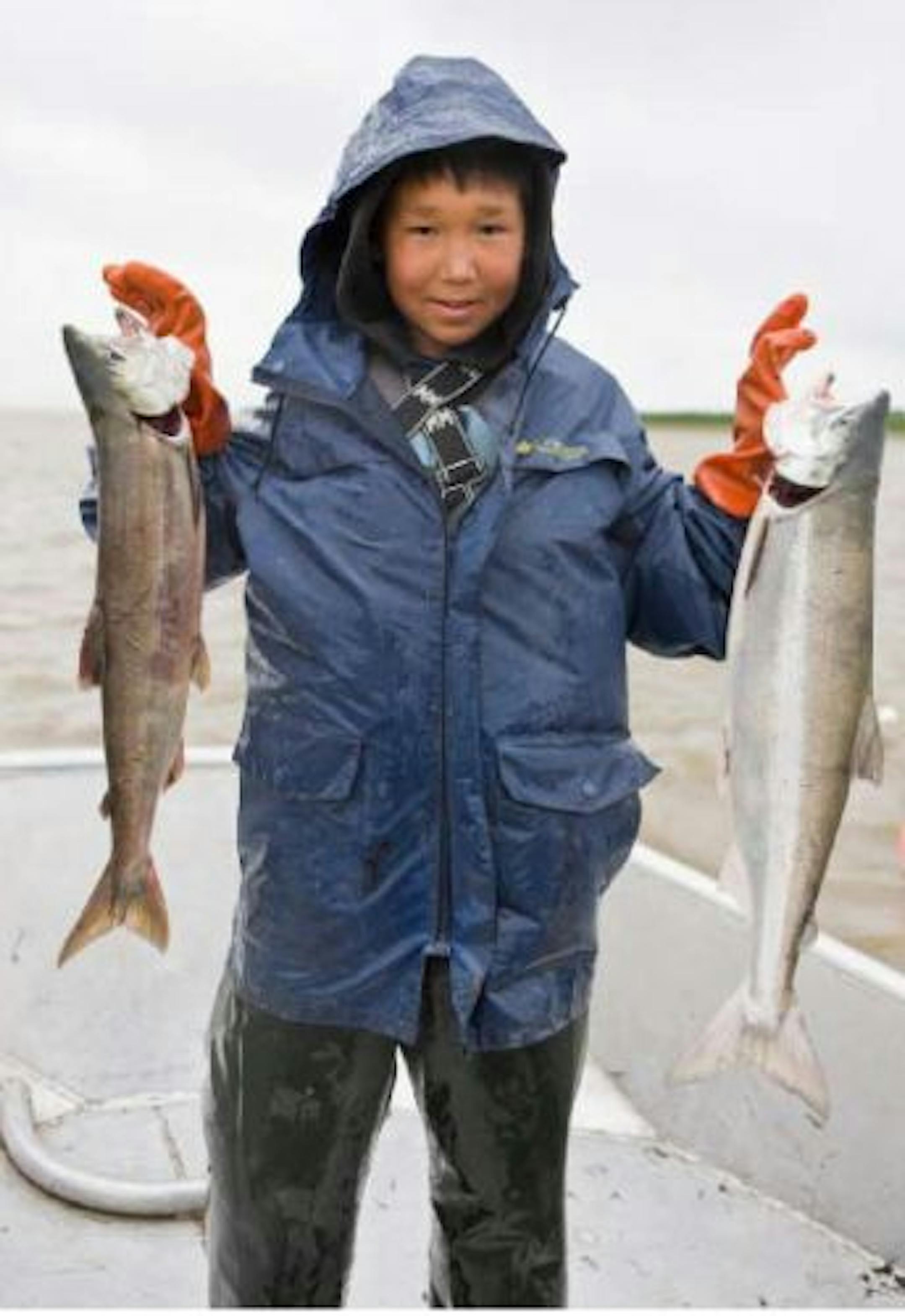
What the potato was to Ireland, what corn, beans and chiles are to the Southwest, salmon is to Alaska: sustenance. For 10,000 years, the Yupik Natives in the Yukon have depended on this fish for subsistence, they who live so far afield that they can be reached only by boat or plane. And they aren't alone in their need -- and preference -- for salmon.
Throughout the state, Alaskans of all backgrounds stand shoulder to shoulder in rivers during July when dip-netting is allowed, capturing their year's supply of sockeye and pinks, to be canned, smoked or frozen -- and, perhaps, bartered. From Homer to Valdez, and points between and beyond, fishing boats and camp coolers are filled with the fish.
Government programs re-commend salmon for meals twice a week. State officials regulate the fish carefully and monitor its numbers (state law forbids farm-raising of the fish), which shouldn't be surprising in a region where there is a marine highway and the Yukon is the world's longest salmon river.