

Now 90 years old, John Falk can still remember Red Lake Indians peddling fish to his family's home when he was a kid.
"It wasn't illegal back then,'' said Falk, who with his wife, Tina, lives near Blackduck, Minn., not far from where he grew up. "The Indians have always been our friends, and off and on, we've bought a few fish from them.''
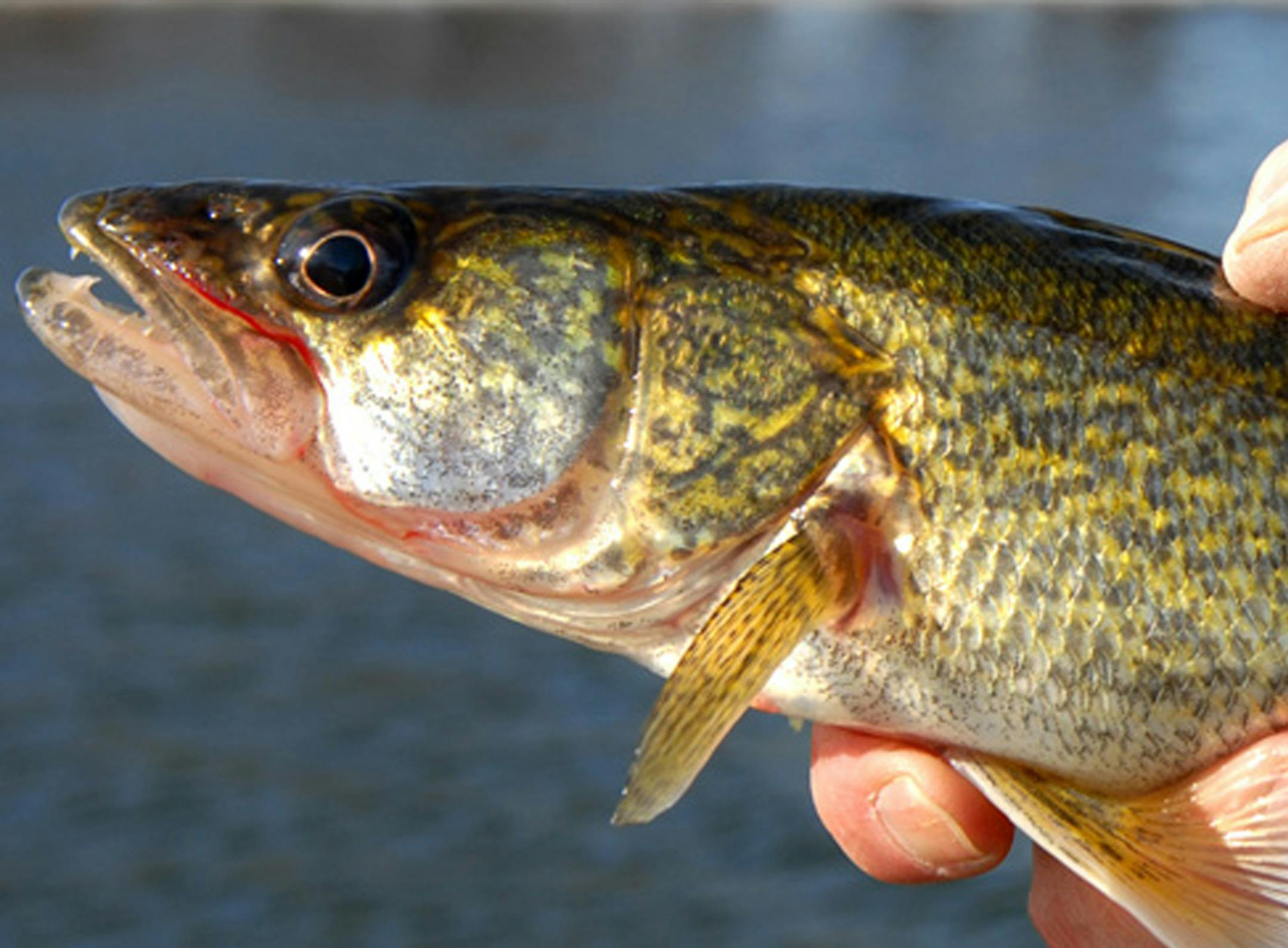
For generations, Red Lake and Leech Lake tribal members have illegally sold walleyes to eager off-reservation buyers, according to the Department of Natural Resources.
And despite a bust last month that ensnared more than 40 people and was the biggest in 20 years, the bootlegging continues, according to three retired DNR conservation officers who spent their careers in the region.
The illegal fish trade breaks tribal laws, as well as state and in some cases federal laws, and Red Lake and Leech Lake reservation officials condemn the long-running practice.
"But it's a tradition up here,'' said Greg Spaulding, a 27-year DNR conservation officer who retired in 2007. The recent takedown, he said, "just scratched the surface. And the walleyes aren't just moving off Red Lake. They're also coming off Winnie [Lake Winnibigoshish] and Leech Lake.''
Most contraband walleyes from the two reservations are dealt secretively, house to house, to trusted nonband members, conservation officers say.
Occasionally, some of the fish are hawked to community groups planning big fish fries. Relatively rarely, the officers say, are fish sold to businesses such as restaurants.


