Rybak links fate of city to North Side

The city's future depends on getting "north Minneapolis right," the mayor said from the troubled area.

April 12, 2012 at 5:40PM
icon3:11
(Matt Gillmer/Matt Gillmer)

Minneapolis must grow, and drawing people to the struggling North Side is the way to do it.

So said Mayor R. T. Rybak during his nearly hourlong State of the City speech Wednesday at the Capri Theater on West Broadway, echoing themes from his annual address in the same place six years ago.

The mayor sought to link the fate of north Minneapolis -- still isolated and plagued by poverty -- with the city's overall success.

Rybak's speech was largely a reflection on past accomplishments and existing programs, though he shared several announcements and goals for the North Side.

"[Minneapolis] can only grow if we get north Minneapolis right," Rybak told a room packed with elected officials and activists.

It was Rybak's first such address since census figures released last year showed that Minneapolis' population had remained flat at about 380,000 over the past 10 years, despite predictions by the mayor and other leaders earlier in the decade that the city was growing.

And it did - throughout the city's midsection and downtown. But the loss of at least 7,700 people in north Minneapolis, which was ravaged by foreclosures, canceled out those gains.

Recalling Minneapolis' peak of 500,000 residents, Rybak said more people paying property taxes would mean lower taxes for everyone, and a greater population would create a vibrant economy as more people shopped locally.
Concentrating on the North Side does not require new investment in infrastructure or opening up a new part of town, Rybak said. The housing already exists, he said.

"What we need ... is to bring more residents in to join these neighborhoods," said Rybak.

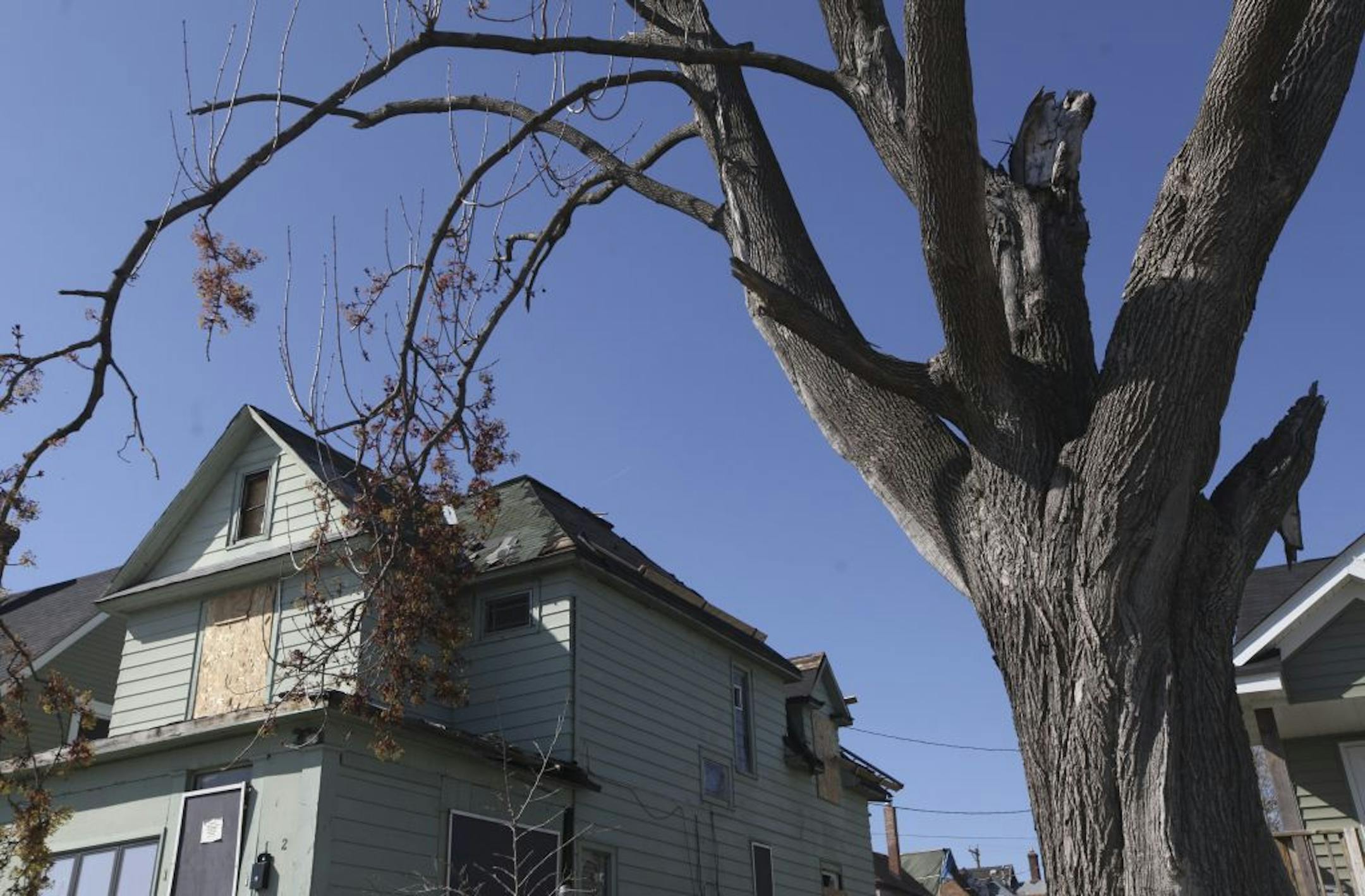
The challenges have been all the more pressing since the May 22, 2011, tornado that devastated the North Side. Rybak said the city had given loans and support to victims, although 113 buildings still have roof damage. One of the city's latest efforts has been securing a $50,000 anonymous donation to plant flowering trees in north Minneapolis.

But are the mayor's aims for north Minneapolis within reach?

Council Member Don Samuels, who represents part of the North Side, said many of today's accomplishments were considered improbable when they were first proposed. "The future things we're planning are no more ambitious or unrealistic," he said.

Council Member Gary Schiff said that while Rybak's goals are admirable, "there's a disconnect" between the speech and his advocacy Tuesday night of a Vikings stadium subsidy, which was not mentioned in the State of the City address.

"We're not putting the money into north Minneapolis commensurate with what we're putting into professional sports facilities," Schiff said.

Wednesday's message also offered a window into just how much the area has changed since the 2006 speech at the Capri.

In that speech, Rybak similarly touted the need for Minneapolis to grow. But he homed in on increasing population elsewhere, rather than on the North Side.

That address focused more on the area's violent crime, which Rybak said Wednesday has since fallen 45 percent.

But progress has been clouded by other problems.

Rybak said more than 6,000 homes have been foreclosed on in north Minneapolis since 2006 -- nearly 43 percent of the city's total.

Calling attention to the 20 percent unemployment rate among blacks in the city, Rybak said Minneapolis will also begin an internship program called Urban Scholars to bring college students, largely those of color, in as City Hall interns.

Additionally, Rybak announced that plans to renovate the library on Emerson Avenue into a workforce development center would break ground with a pledge of $250,000 from the UnitedHealth Foundation.

He also touted an initiative to build 100 "green" homes on the North Side over the next five years, with help from the state.

Crime and poverty are tough realities here, but "that toughness has also created a remarkable strength in the people in this part of town," said Rybak.

It has also created a grim perception that may be hard to reverse.

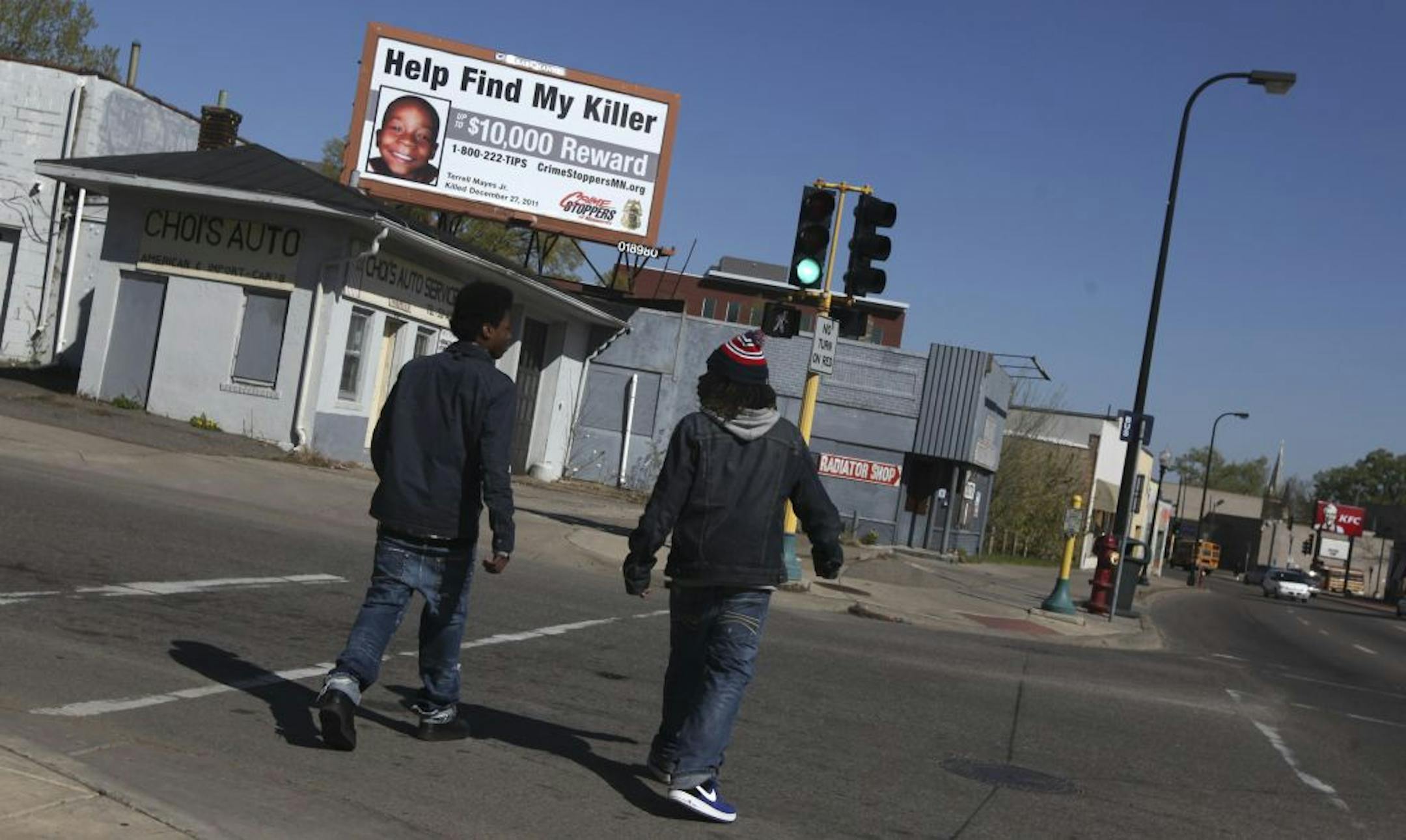
Just down the street from the Capri Theater stands a billboard asking for help finding the killer of 3-year-old Terrell Mayes, who was shot in his North Side home in December. The camera crews gathered outside the theater Wednesday prompted one man to call out from his car: "What happened? Somebody get shot?"

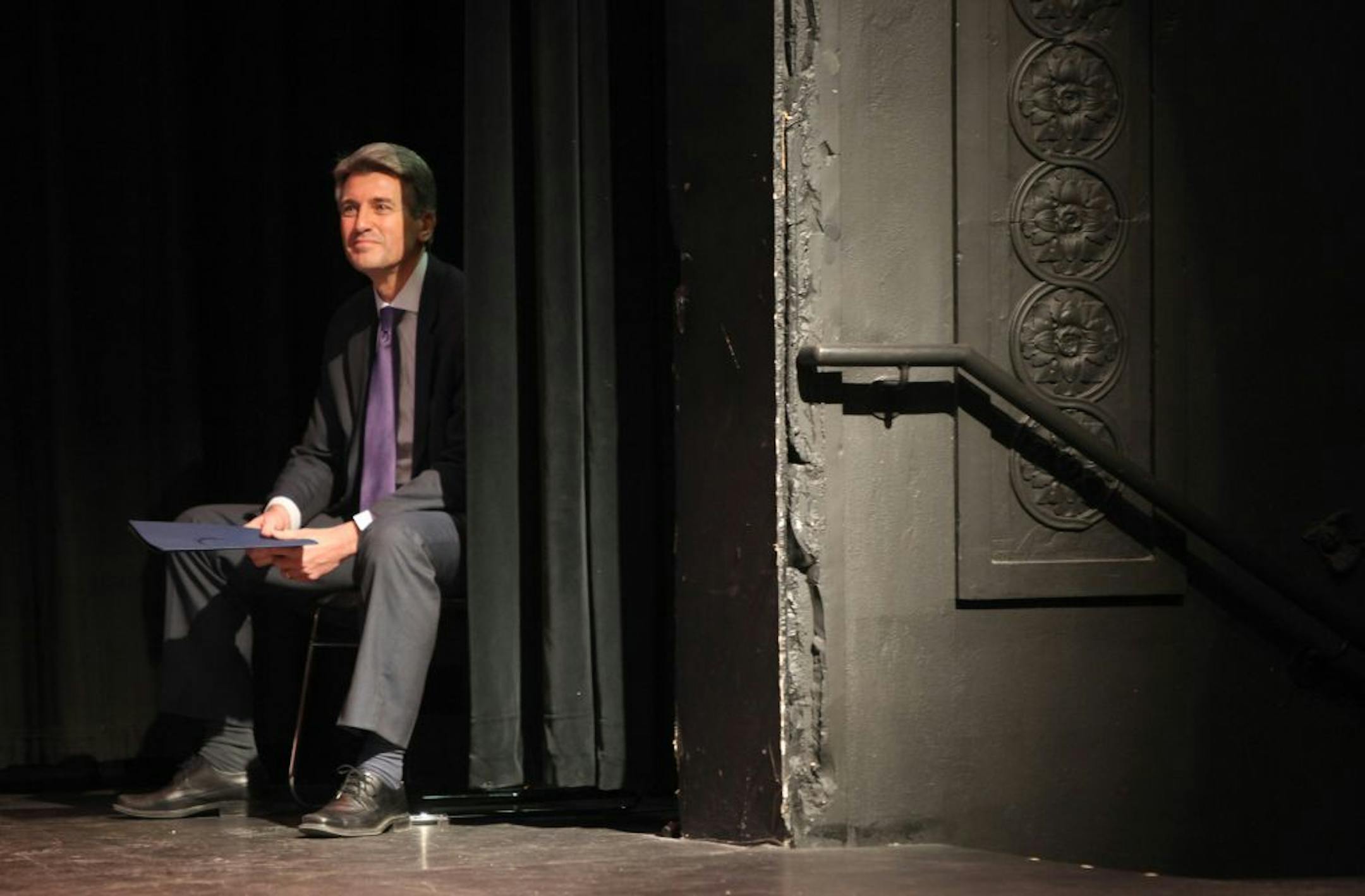
Minneapolis Mayor R.T. Rybak waited to deliver his annual address at the Capri Theater in north Minneapolis. He also spoke from the Capri six years ago.
Minneapolis Mayor R.T. Rybak waited to deliver his annual address at the Capri Theater in north Minneapolis. He also spoke from the Capri six years ago. (Star Tribune/The Minnesota Star Tribune)
The North Side, with 6,000 homes foreclosed since 2006, is still reeling, as well, from a tornado last May. Dozens of homes are still damaged.
The North Side, with 6,000 homes foreclosed since 2006, is still reeling, as well, from a tornado last May. Dozens of homes are still damaged. (Star Tribune/The Minnesota Star Tribune)
A billboard for crime victim Terrell Mayes Jr. looms just down the street from the Capri, where the mayor spoke.
A billboard for crime victim Terrell Mayes Jr. looms just down the street from the Capri, where the mayor spoke. (Star Tribune/The Minnesota Star Tribune)
about the writers

about the writers

Maya Rao

Reporter

Maya Rao covers race and immigration for the Star Tribune.

See Moreicon

Eric Roper

Curious Minnesota Editor

Eric Roper oversees Curious Minnesota, the Minnesota Star Tribune's community reporting project fueled by great reader questions. He also hosts the Curious Minnesota podcast.

See Moreicon

More from No Section

See More
FILE -- A rent deposit slot at an apartment complex in Tucker, Ga., on July 21, 2020. As an eviction crisis has seemed increasingly likely this summer, everyone in the housing market has made the same plea to Washington: Send money — lots of it — that would keep renters in their homes and landlords afloat. (Melissa Golden/The New York Times) ORG XMIT: XNYT58
Melissa Golden/The New York Times

It’s too soon to tell how much the immigration crackdown is to blame.