

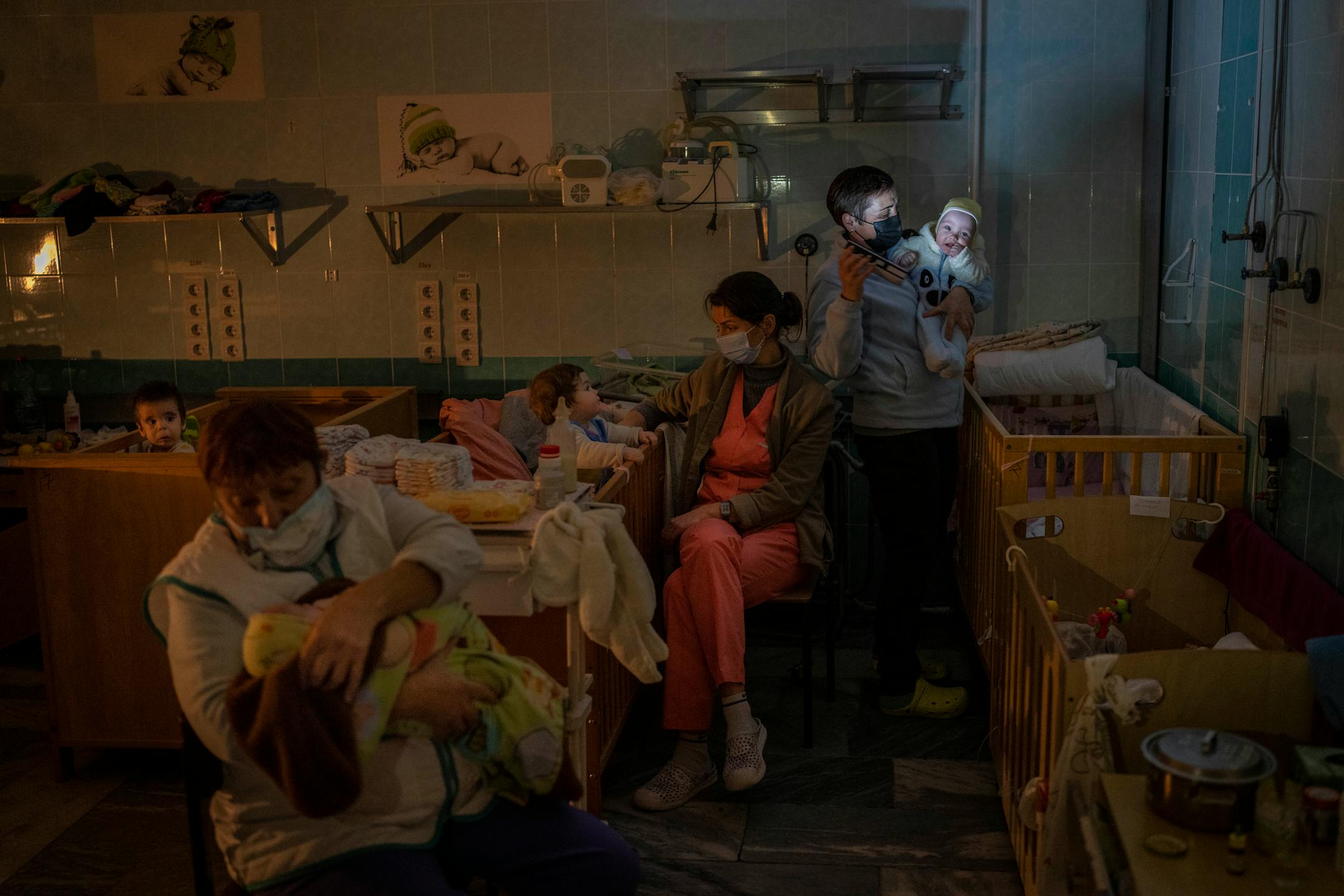
KYIV, UKRAINE – Russia's abduction and deportation of Ukraine's children since its invasion of the country was so well-documented and terrifying that when Russian forces prepared to withdraw from the southern city of Kherson last fall, doctors at a hospital there hurriedly hid babies and falsified their records.
When Russian soldiers arrived, the staff at Kherson Regional Hospital said the infants were too critically ill to move, Olha Pilyarska, head of its neonatal anesthesiology department, recalled in an interview Saturday.
"They put lung ventilation devices near all the children," she said.
The efforts saved 14 babies from being swept up in a campaign that has systematically transferred thousands of Ukrainian children to Russia to be resettled in foster families and put on track to become Russian citizens. When the International Criminal Court issued an arrest warrant for President Vladimir Putin of Russia on Friday over the forcible deportation of children, it was a powerful recognition of actions that have not only been carried out in full public view, but continue today.
The arrest warrant adds Putin's name to a notorious list of despots and dictators accused of humanity's worst atrocities. But this case is unusual in that the charges were announced not years after the abuses began, but effectively in real time. The judges at The Hague cited the need for urgent action because the deportations are "allegedly ongoing."
Although the court has issued arrest warrants quickly before — against Moammar Gadhafi of Libya, for example — war crimes investigations often take years, meaning that charges are not announced until long after atrocities occur. President Omar al-Bashir of Sudan was charged in 2009 with war crimes that began in 2003.
But the Russian authorities, far from disguising the deportations, have put the children on display in Red Square photo-ops and at lavish concerts celebrating the war. They have also signaled that more deportations are on the way.
Across southern Ukraine, local Russian proxy leaders are issuing new "evacuation orders" before an expected Ukrainian military offensive this spring. Such orders have often been a prelude to stepped-up deportations. And about a month ago, Russian forces closed all roads leading from occupied areas into the rest of Ukraine, making it much harder for people to escape. Now, the only open roads head deeper into occupied territory or into Russia.


