EAST GRAND FORKS, Minn.
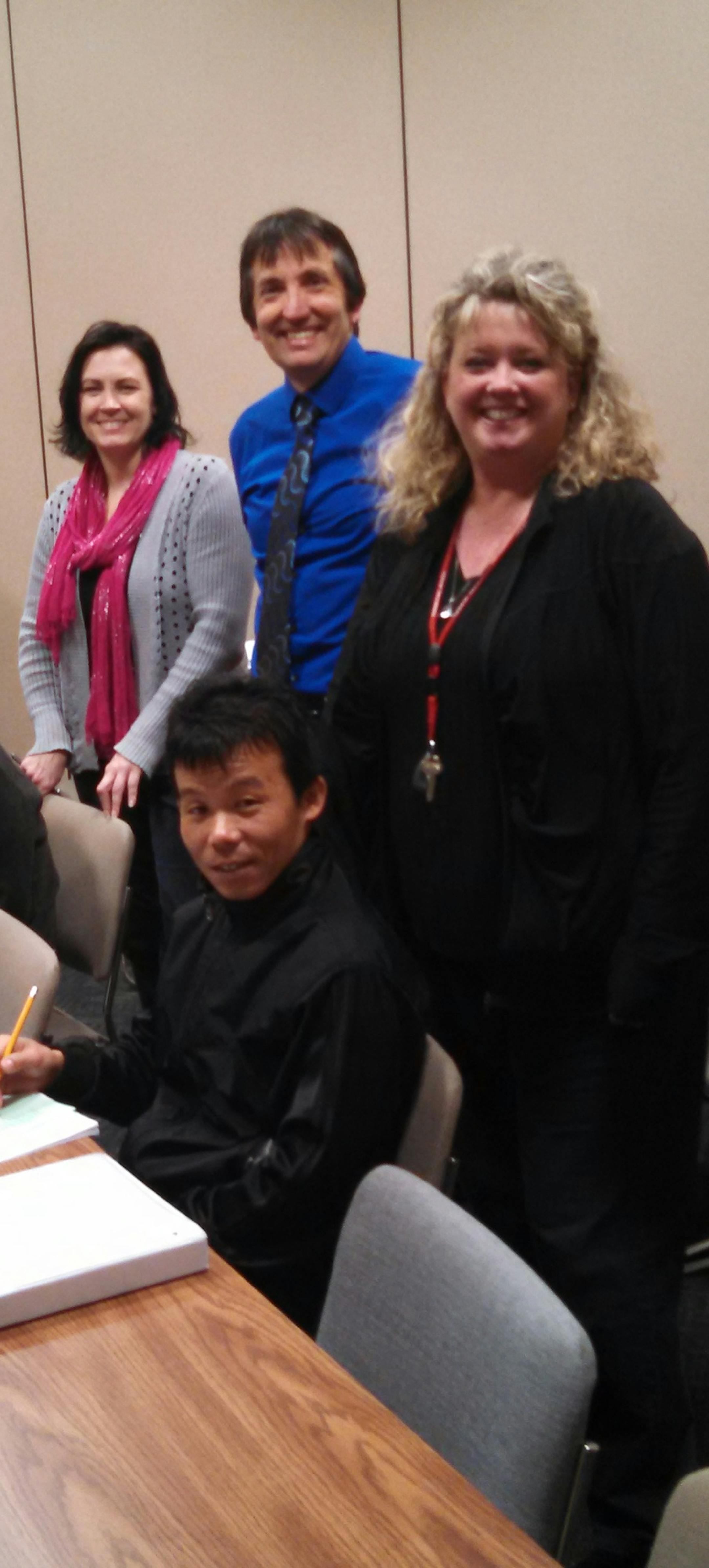
Habibo Abdi smiles easily, confidently, as she talks about her progress in an Adult Basic Education English class, which meets in space provided by Northland Community and Technical College here.
She is 27, a refugee from Somalia, who came to Grand Forks, N.D., seven months ago. She works at the local KFC franchise, but she hopes that with better proficiency in English and other skills she might improve her situation.
"I need more education," she says. "Education is life."
As debate continues across Minnesota over the evolving roles played by MnSCU schools — whether its trade-school function may be overshadowing the traditional liberal-arts mission — a specialized curriculum is taking shape at Northland aimed toward a new pool of workers: international refugees. Collaborating directly with big manufacturing companies as well as community and service agency leaders, the school is developing a course that would give students like Abdi the specialized job skills to move up in the workforce.
Dennis Bona, Northland's president, said there is "an ethical, humanitarian passion that we are here to serve all students, all learners," and that dovetails with area business needs. "We have an aging, retiring workforce, and what an amazing resource this community has in these new Americans," he said. "Without them, we don't have people in the hopper to fill those jobs."
Despite this year's big slowdown in the oil industry, North Dakota's unemployment rate remains one of the lowest in the country, at 2.4 percent, while the October rate in Grand Forks County, the most recent available, was just 1.6 percent.
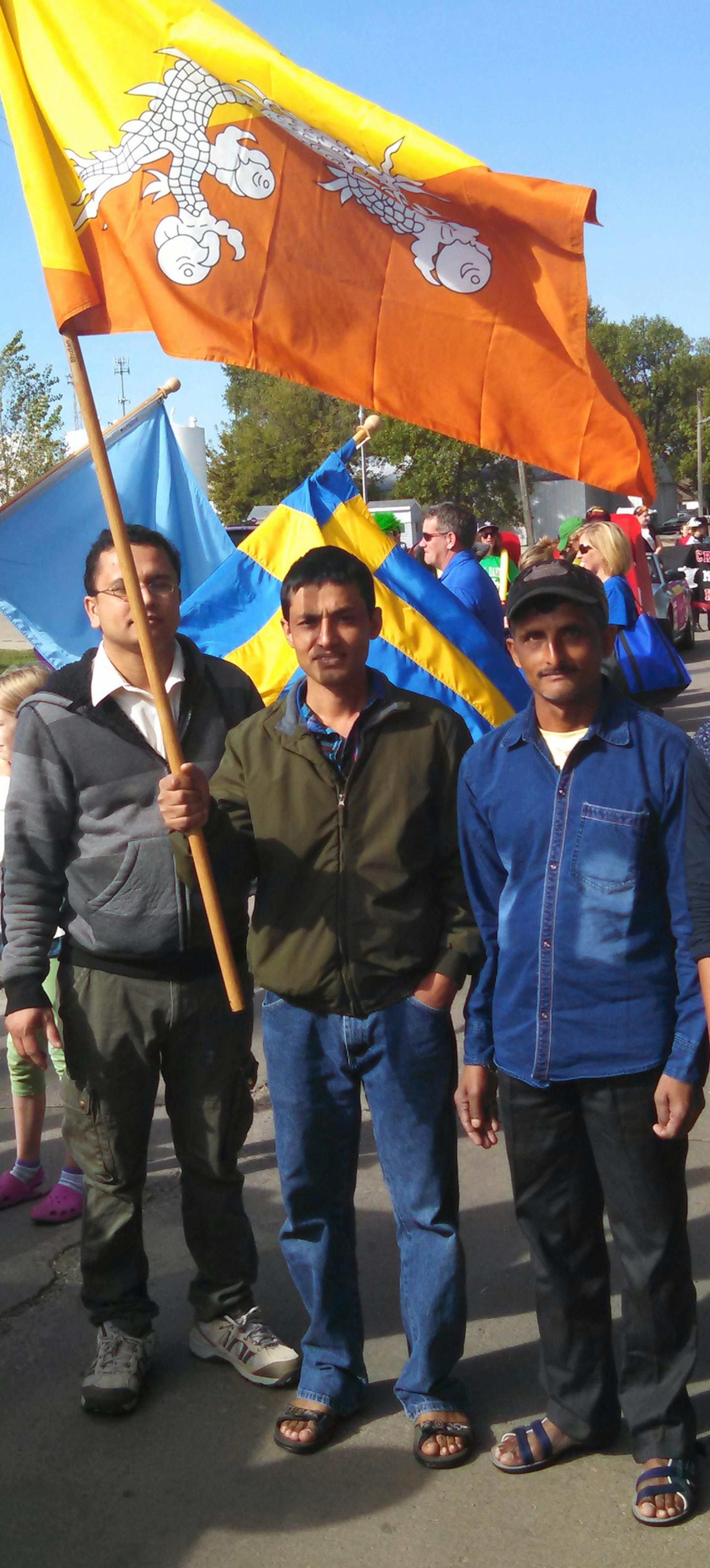
As many as 1,000 refugees have come to or been resettled in Grand Forks over the past decade, from Bosnia, Iraq, Burundi and other countries. Most recent arrivals, about 100 a year, are Somali and Bhutanese, many of whom spent 20 years or more in refugee camps before being cleared by the U.S. State Department.