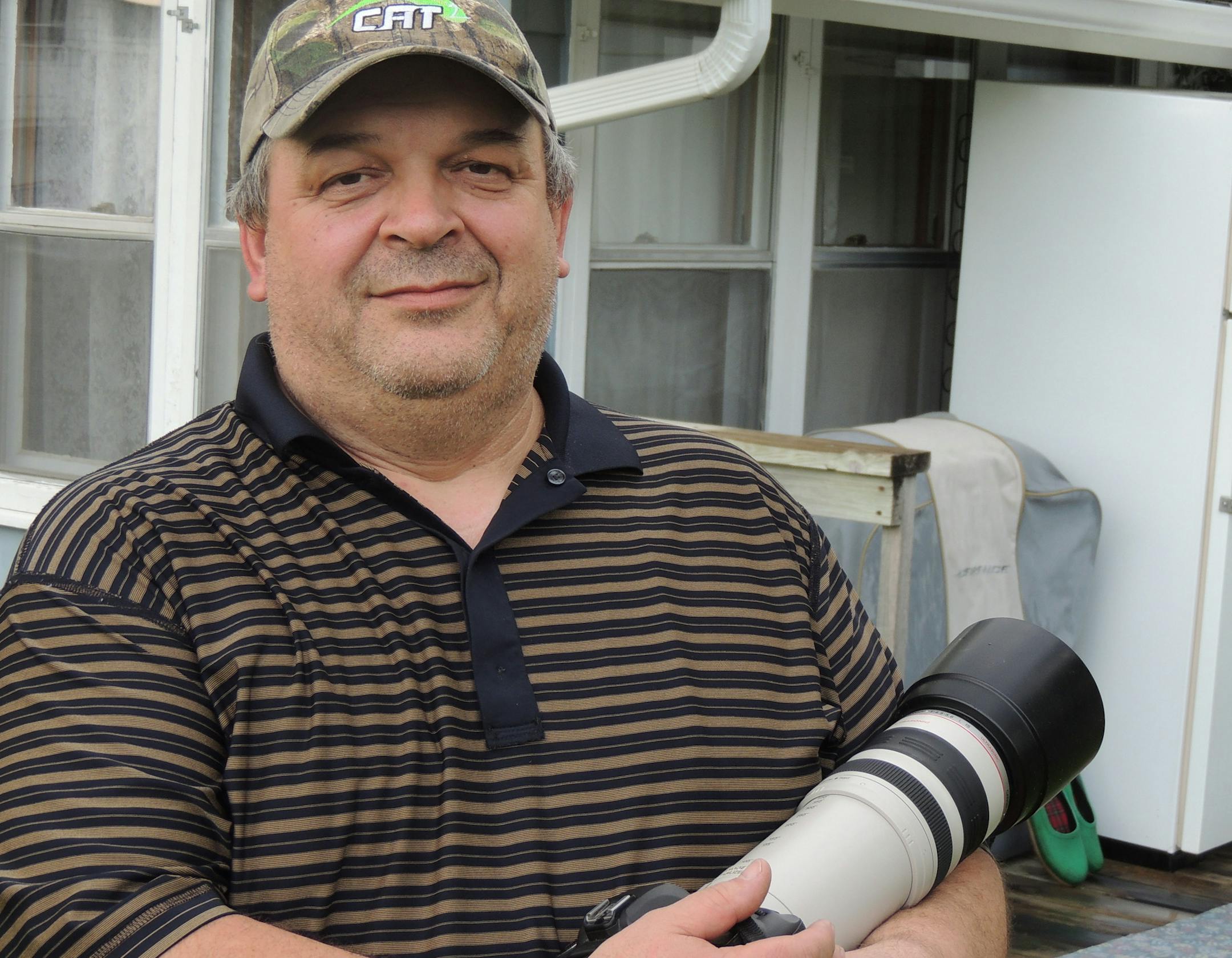
PELICAN RAPIDS – Drago Nemec, sitting on a brown couch in his home after his shift at West Central Turkeys, pokes a finger against his scarred right shin, just above the ankle. An uneven lump bulges tight against the skin.
"Shrapnel," he explains with a resigned smile, "from a grenade."
Nemec was injured while serving in the Bosnian army as it defended the city of Gorazde, in Bosnia-Herzegovina, against Serbs during the Bosnian War. Five years later he sought refuge in the United States and resettled, in 1996, in this small town in western Minnesota.
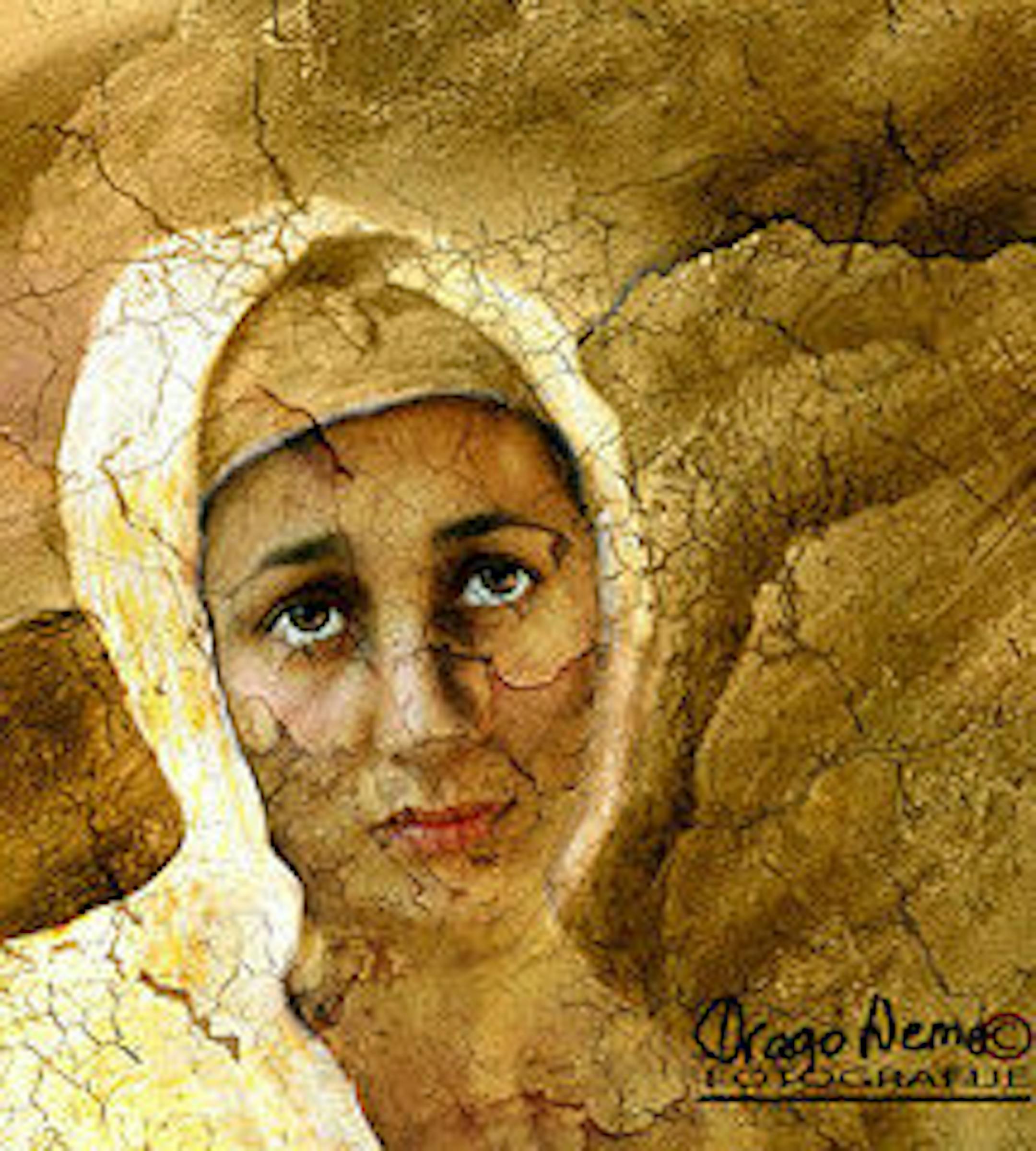
Like many contemporary immigrants and refugees, Nemec hoped to break through the isolation of small-town Minnesota and find a way to forge connections while also, perhaps, sharing a bit of his cultural background. Soon he began taking photos of muskies and walleyes for a Bosnian fishing magazine. His digital camera has since become his tool for sharing Eastern European life with Minnesotans, often at festivals and photography competitions in western Minnesota.
Across Minnesota's rural landscape, immigrant and refugee artists and artisans are able to share a bit of their heritage with the help of arts groups, local festivals and public money that supports cultural pursuits.
"Newer immigrants and refugees are aware of that tension — aware of those shared lives, and that gets revealed in their work," said Lisa Rathje, a folklorist and teacher at Goucher College in Baltimore. Rathje traveled throughout Minnesota as a consultant for the Minnesota State Arts Board, looking, in particular, for examples of folk art and was struck by the work of immigrant and refugee artists.
Indeed, the State Arts Board, through its Folk and Traditional Arts funding program, has provided thousands of dollars in grants to artists in rural Minnesota, many of them from recent immigrant groups.
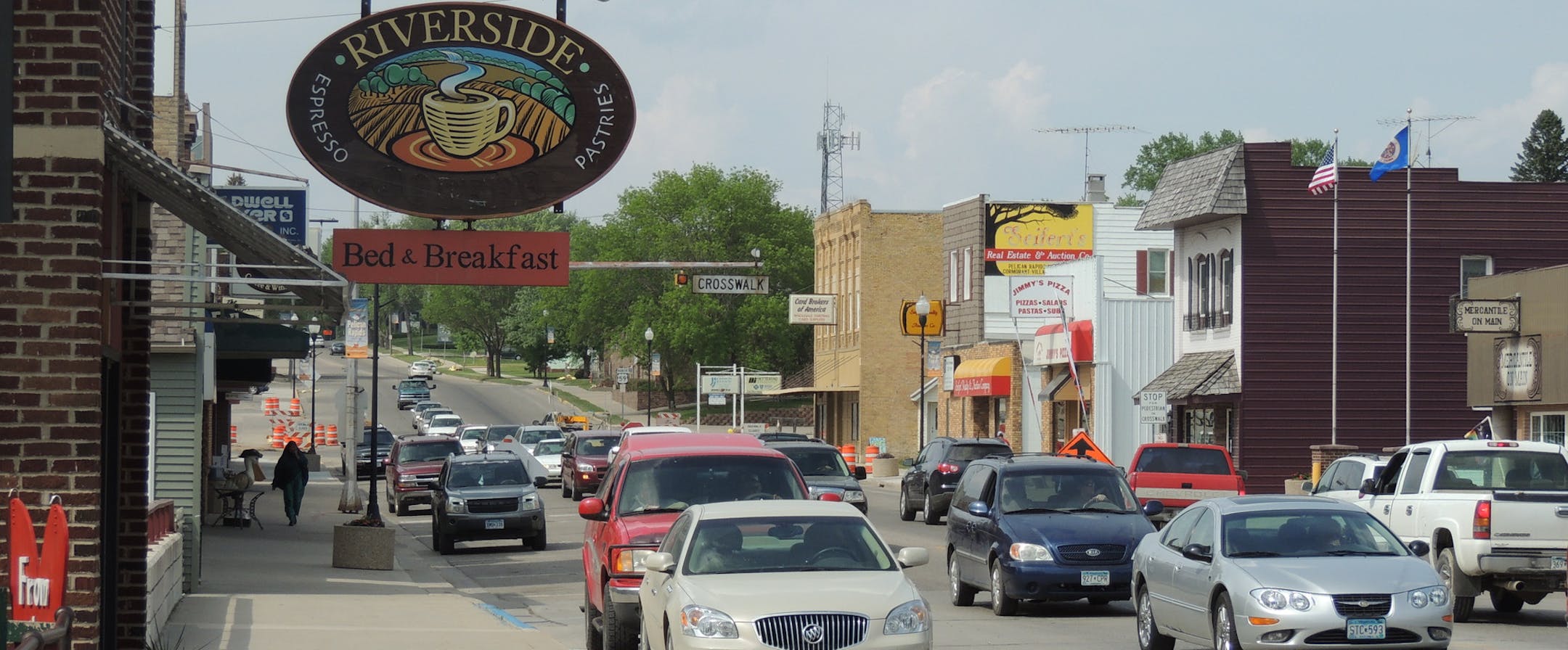
The broadening ethnic dimension of rural Minnesota is evident in Pelican Rapids, an Otter Tail County town of 2,500 people where Somalis, Eastern Europeans, Latin Americans and others were first drawn by work at West Central Turkeys and other agricultural industries.