

WASHINGTON — The prospect that the federal government will suspend processing of immigrant work visas has rural health systems in Minnesota and the Dakotas scrambling to protect doctors already working in or bound for rural, underserved areas.
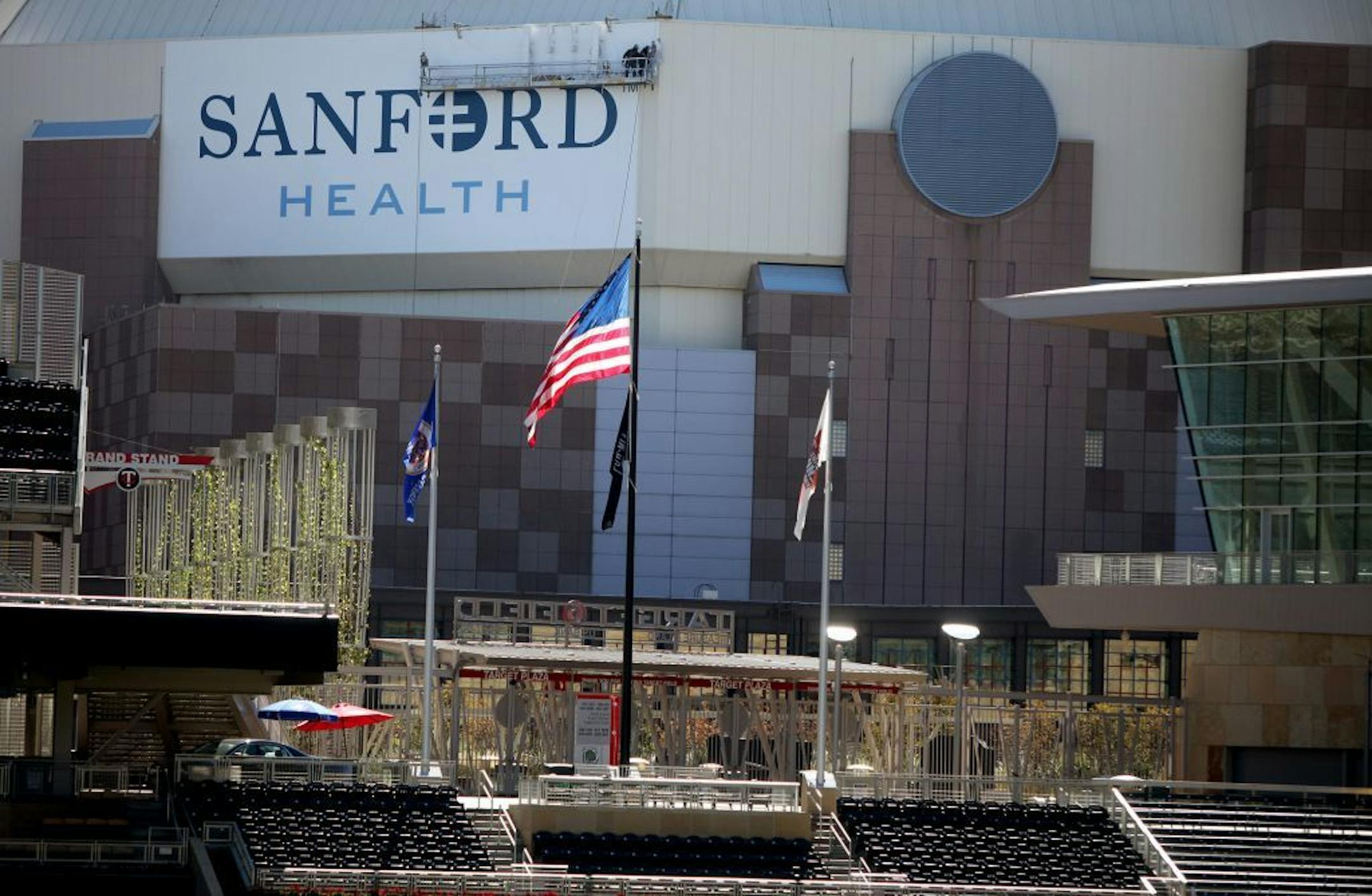
Dakotas-based Sanford Health, which also operates hospitals and clinics up and down western Minnesota, is rushing to complete visa petitions for immigrant doctors whose plans to practice in the region this summer have been upended by a heavy backlog of cases at U.S. Citizenship and Immigration Services (USCIS).
The agency has said it will suspend expedited processing of certain immigrant work visas for six months starting in April, worrying rural health advocates and immigration attorneys around the country, and leaving foreign doctors scrambling about how they'll stay in America.
"These programs have filled important gaps in rural communities," said Cindy Morrison, chief marketing officer of Sanford.
She added that if the doctors' petitions aren't approved quickly, it will be difficult to find people to carry out their duties, particularly because many are in specialties such as gastroenterology and hematology. Other Sanford doctors could pick up more hours to offset the vacancies, which Sanford doesn't consider a long-term solution, and hiring temporary replacements is expensive.
Sanford and other hospital organizations pay the government $1,225 to provide "premium processing" of a type of work visa called the H-1B, a service that can grant international medical students approval in just a few weeks, instead of as long as eight months.
Citizenship and Immigration Services announced it would suspend the premium processing service as of April 3 after experiencing a large increase in requests. The volume of such filings was 61 percent higher in the 2016 fiscal year compared to two years earlier, according to spokeswoman Mirilu Cabrera. She said premium processing filings of H-1B petitions now account for 59 percent of the total filings of that visa category.
Cabrera said the agency couldn't give specific numbers on the backlog, but processing times for H-1B petitions had grown to more than eight months in California and more than 11 in Vermont.


