

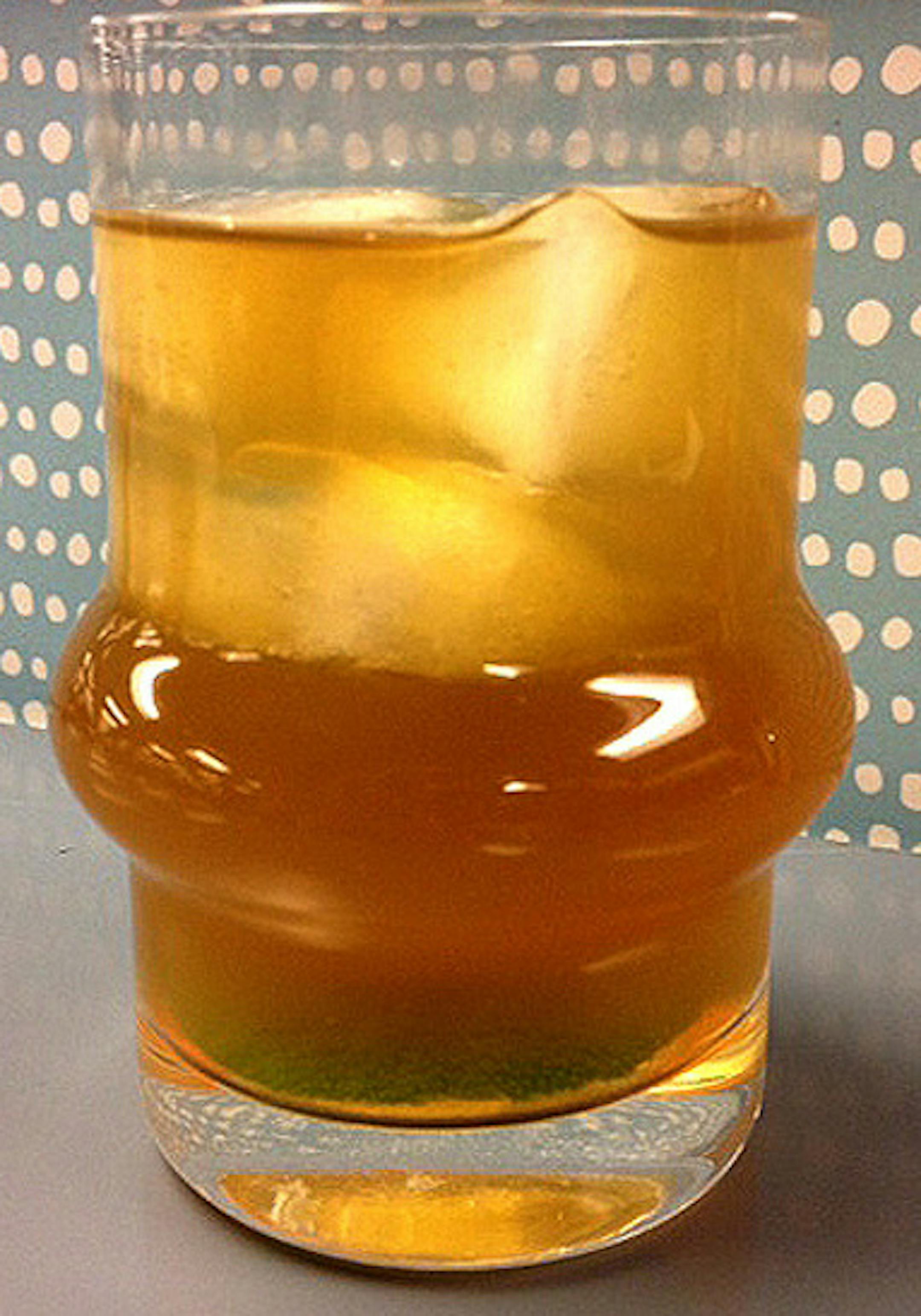
If you taste enough wines and spirits, you'll eventually experience certain coveted flavors and aromas that, at first blush, would seem funky and undesirable.
Think about these wine descriptors: minerality, tobacco, barnyard, petrol. What exactly are we talking about when we use such terms? Why, a newbie might reasonably ask, would anyone even want those qualities in a glass of wine? And yet, connoisseurs seek out rieslings redolent of gasoline, nebbiolos teeming with tar and Rhône reds that reek of the barn.
The spirits world has its own array of strangely prized flavors and aromas. Think of bitter Italian amari or herbal, vegetal liqueurs like Chartreuse. One of my favorite Old World descriptors is rancio, which crops up when people talk about fine brandy.
Rancio — yes, the word shares a root with "rancid" — is the term for a peculiar flavor that cognac and Armagnac and sometimes Scotch take on as they age. It is, of course, impossible to fully describe. Nutty? Mushroomy? Cheesy? Like soy sauce? Beyond flavor, rancio also connotes a certain feel or sensation in the mouth, the way old brandy often presents itself on the tongue and finishes with an almost walnutlike oiliness.
But rancio isn't the only weird and desirable aroma in fine spirits. Lately, there has been a growing interest in rums that have a certain funky quality called hogo.
Hogo was used in the 18th- and 19th-century rum trade to describe the sulfurous odors that happen naturally when raw sugar cane juice is distilled. The term is Creole slang for the French term haut gout ("high taste"), which was specifically used to describe the mature decay of wild game meat that had been hung to age. I chuckled to see haut gout defined on Wiktionary as a taste that "used to be desirable but is not generally desired anymore today."
Perhaps not when it comes to game meat. But among spirits nerds, hogo has never been more desirable.
One reason hogo drifted out of popularity is because rum distillers worked hard in the 20th century to tame it. By the '80s, Bacardi white rum may as well have been Puerto Rican vodka. And even as aged rums gained popularity, so many were over-oaked and tasted like molasses-coconut crème brûlée.


