

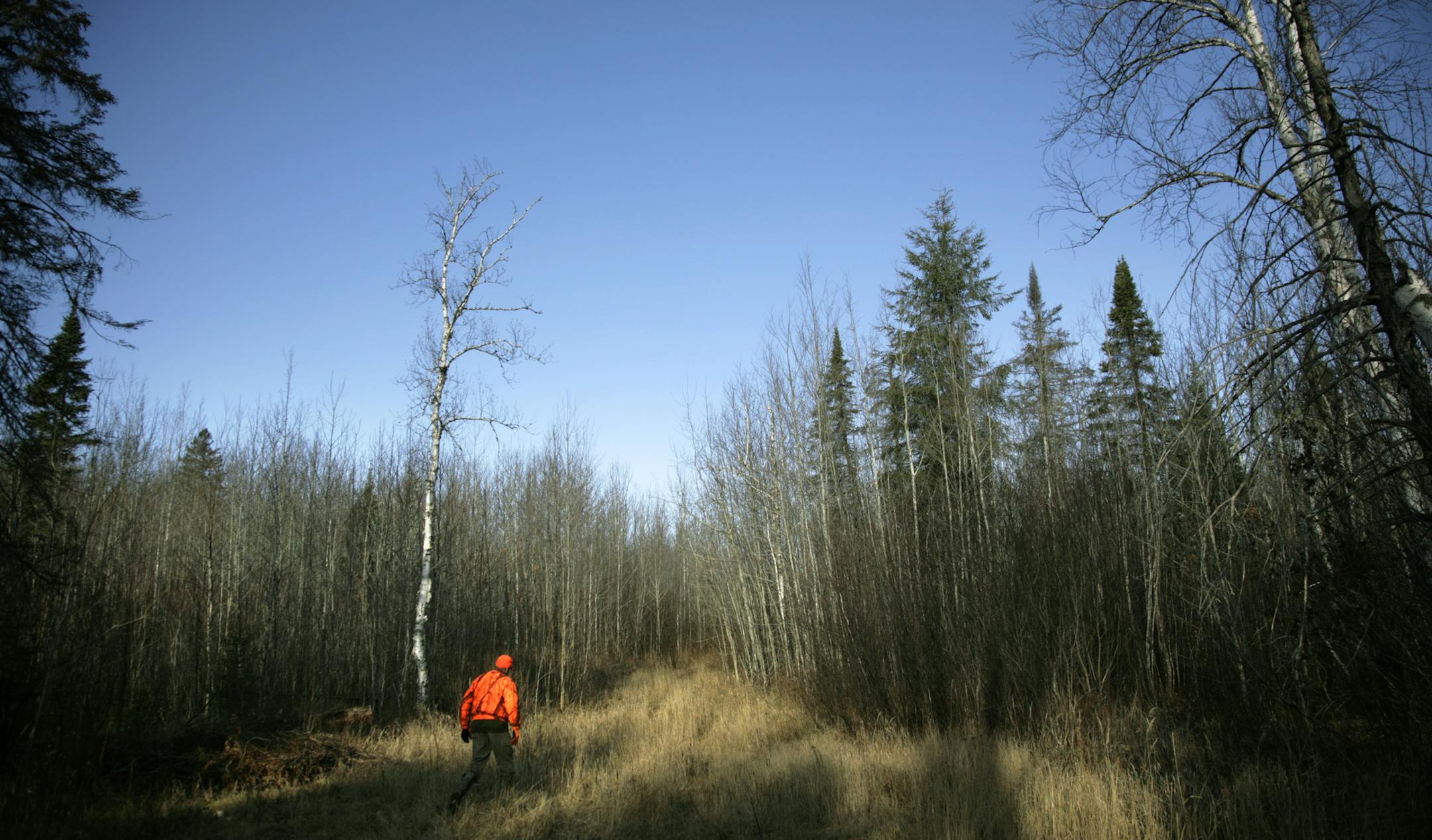
Nonmotorized hunter walking trails would receive overdue upgrades as part of a new initiative proposed by the Ruffed Grouse Society.
The $300,000 program — part of a much larger package of outdoors projects recommended for funding this year with state lottery proceeds — is designed to address what the conservation group has described as a "generally degraded system."
Fixing up 120 existing trailheads with signage, gates, parking and other infrastructure improvements would better -serve upland hunters, birders and hikers, according to the proposal. Grouse season opens Sept. 19 this year and wildlife officials are hoping for a turnaround in participation.
Ted Dick, forest game bird coordinator for the Department of Natural Resources, said 95,000 grouse hunters per season was the DNR's goal as recently as 10 years ago. But last year, despite surveys that showed good grouse abundance, the number of hunters continued to drop to somewhere around 65,000.
Dick said sprucing up existing walking trails and building a couple of new ones is vital to attracting more outdoors enthusiasts to the sport.
"It's really an issue and we're trying to get more people," Dick said. "Maintaining good hunter walking trails is one of the more important things we can do to recruit."
In surveys conducted by the DNR, a significant portion of forest game bird hunters who utilize public lands have expressed dismay over disruptions caused by off-road, motorized vehicles. Minnesota is considered a ruffed grouse mecca with more than 500 designated hunting areas in the birds' range. More than 40 of those areas are actively managed to produce and hold grouse. Motorized vehicles are legal in many places, but the state has carved out 600 miles of nonmotorized hunter walking trails for those want, quieter, foot-travel experiences.
Dick said the walking trails are relatively inexpensive to maintain — about $120 per mile per year. The grooming is welcomed by users because they know they won't get lost or end up on private land where they're not wanted, Dick said. Moreover, the designated walking trails lead hunters to woods that have been managed with logging plans meant to create productive grouse habitat.


