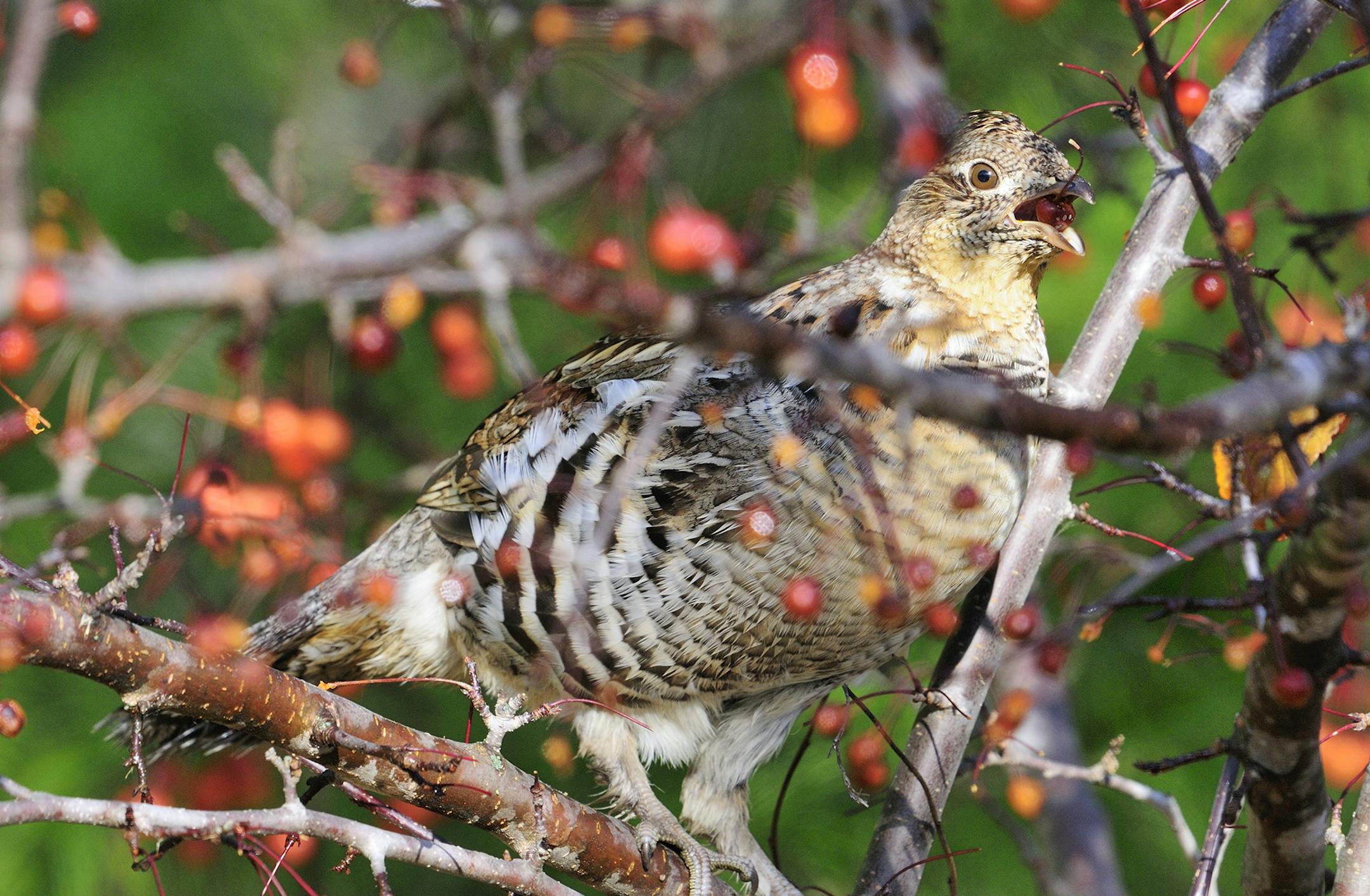
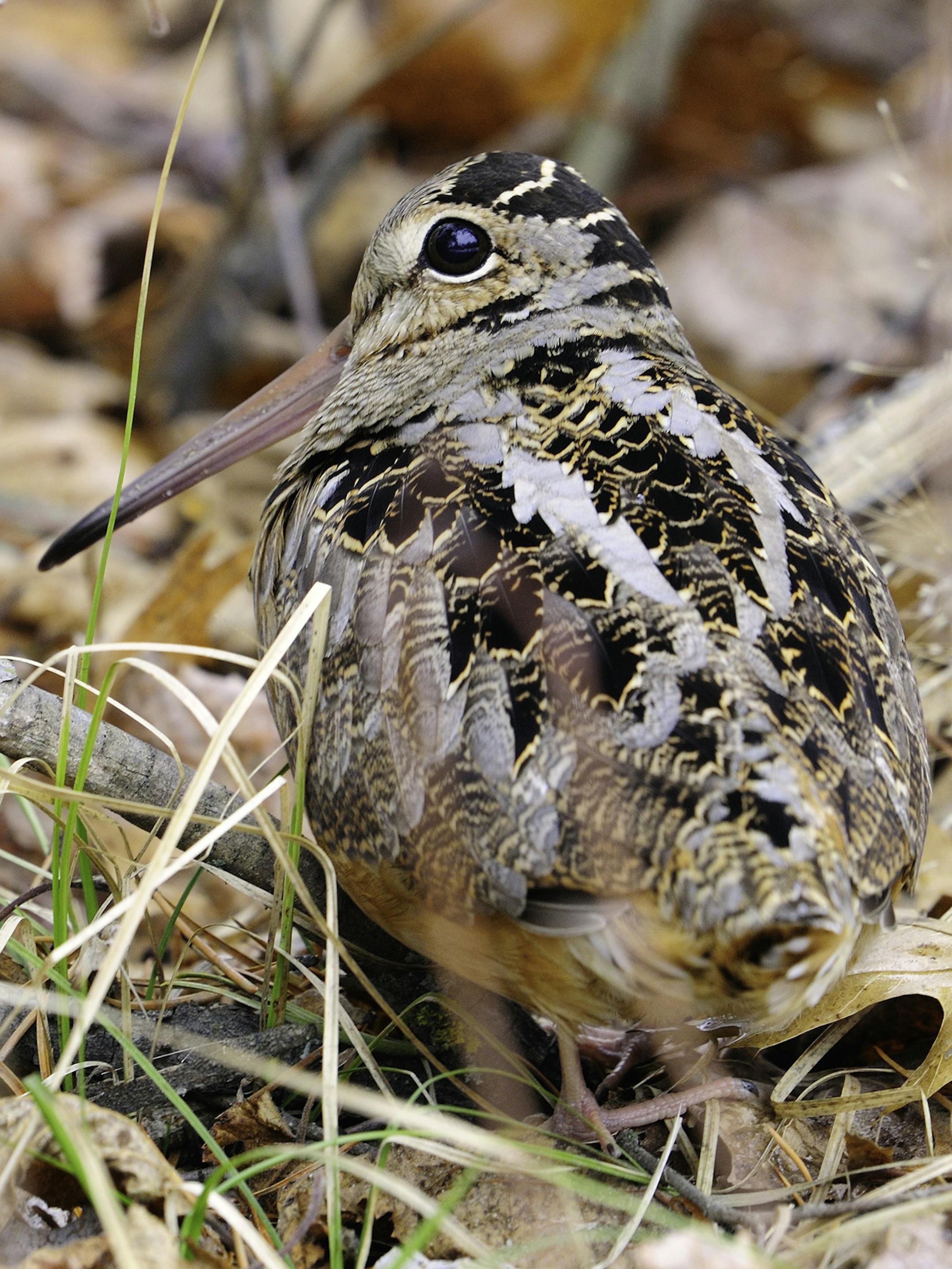
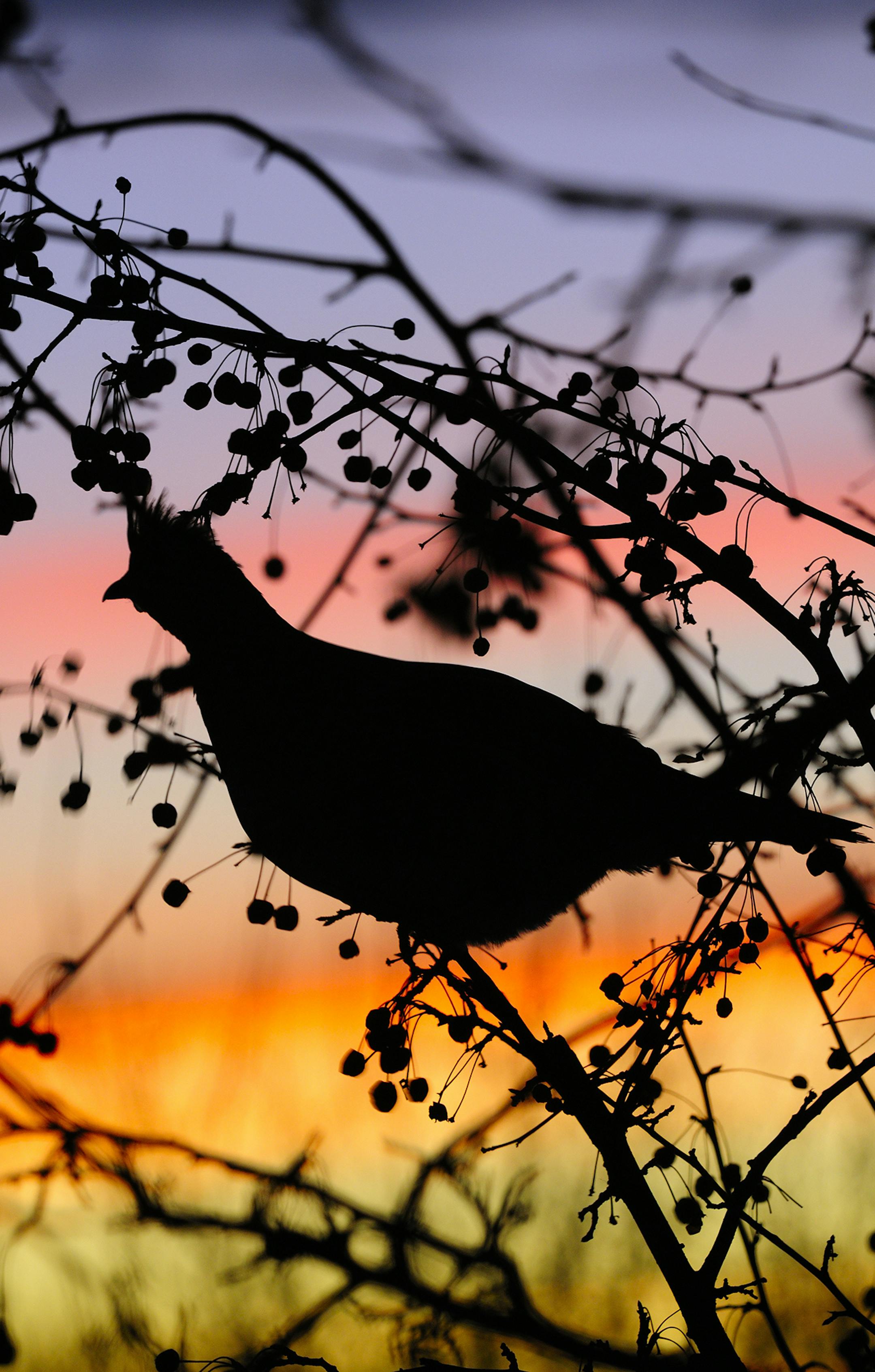
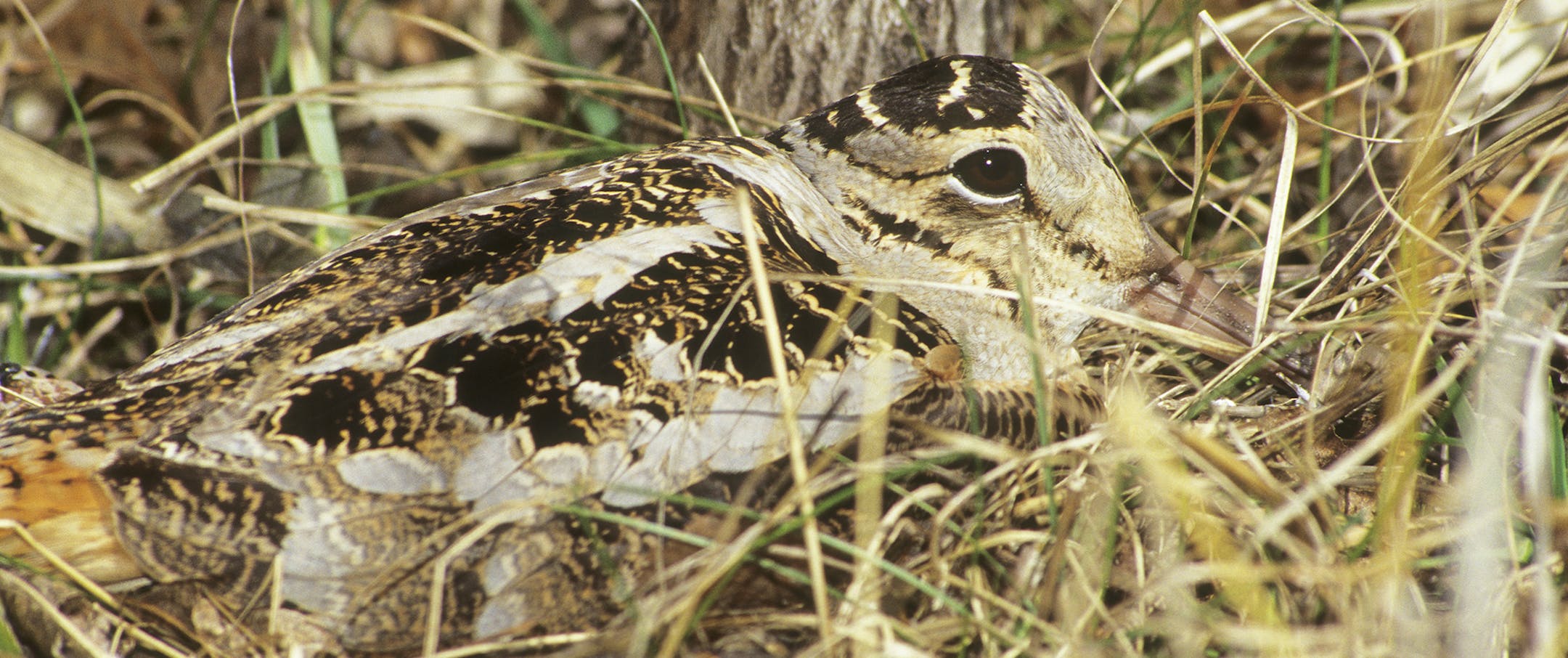
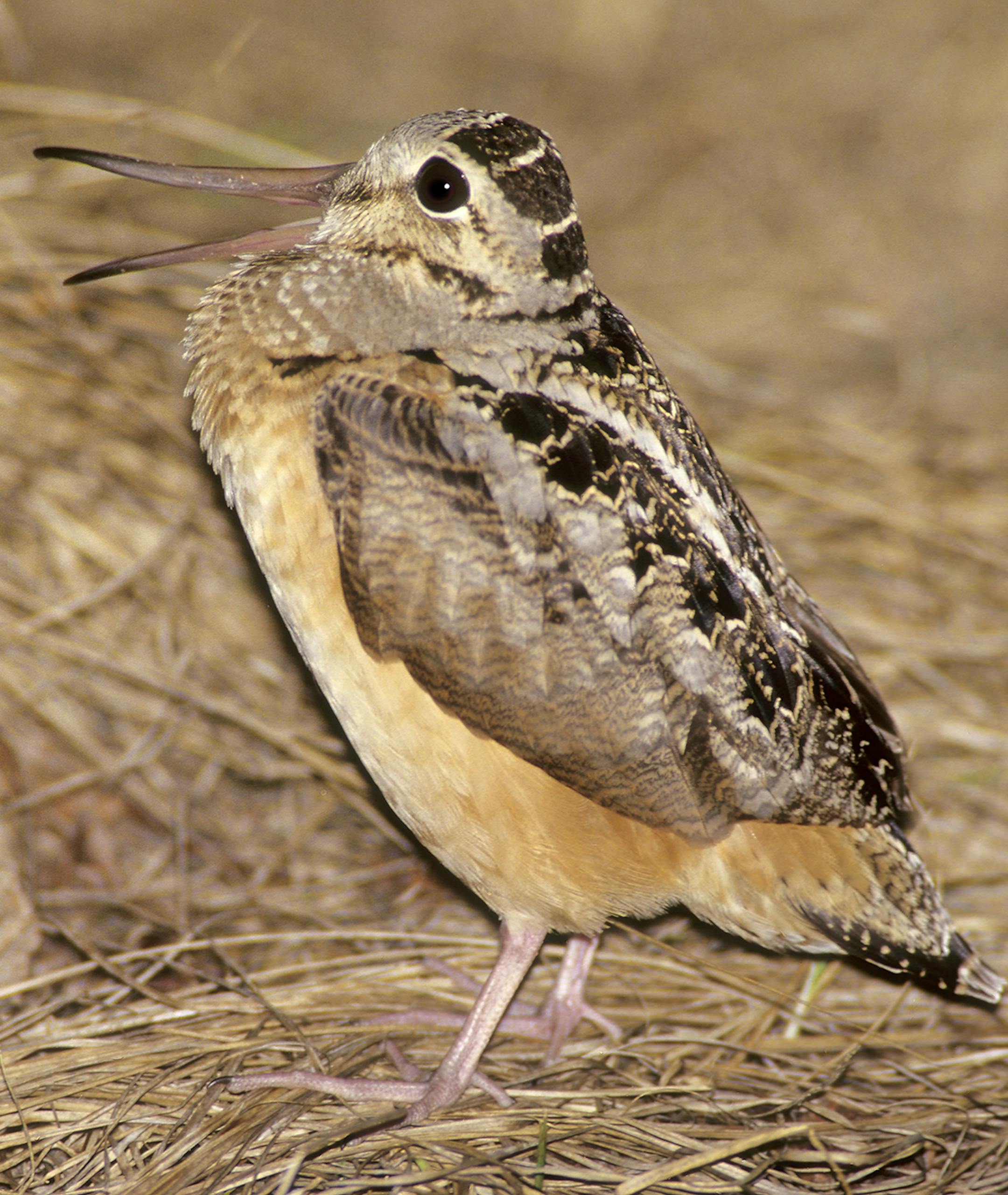
Ruffed grouse and woodcock are two wonderfully cryptic birds found in the woodlands of Minnesota. The hunting season for ruffed grouse opened Sept. 13 and continues through Jan. 4. The woodcock season starts a half-hour before sunrise on Saturday and runs through Nov. 3.
As hunters know, ruffed grouse and woodcock thrive in new growth aspen stands or disturbed areas, where logging or fire has altered the landscape. Both species are plumed in various shades of brown that blend well with these kinds of environments. But that's where the similarities end.
Ruffed grouse are about the size of a small chicken and are most famous for their unusual courtship routine. The males will take to a stage, usually a fallen log, and do their best to woo a female grouse by vigorously beating their wings. This creates the "drumming" sound familiar to those of us who love the outdoors. And yes, ruffed grouse do drum during the fall, and even at night. It is thought that fall drumming is performed by adult males to warn young male grouse "this is my territory."
The drumming noise — the thump, thump, thump — is made as the bird strikes the air with its wings forcefully enough to create a brief vacuum, in effect causing a miniature sonic boom. A drumming sequence may contain as many as 40 or 50 wing beats, though the sequence lasts for a mere seven to 10 seconds.
While ruffed grouse are permanent residents of Minnesota, woodcock are migratory. These birds are barely larger than a robin with a diet consisting mostly of angleworms, which they secure using their long bills. Of course worms aren't available during Minnesota's long winters, forcing the bird to head south for warmer grounds. Woodcock have already started migrating through Minnesota, with peak migration due about mid-October. Woodcock are highly reclusive birds, spending most of the day hiding in aspen thickets, and are seldom seen by the nonhunter.
Like ruffed grouse, the woodcock adheres to an unusual courtship ritual which was once dubbed the "sky dance" by the famed conservationist Aldo Leopold.
On spring evenings, when the light is just right (about 20 minutes after sunset), the male woodcock will fly out of obscurity and alight at his predetermined stage. Upon arriving, the woodcock begins to call, emitting a throaty "peent" every three or four seconds. After a few calls in one direction, the bird pivots roughly 90 degrees and starts calling in a new direction. After a minute or so, the woodcock will have announced his affection for females in all directions. It will also have warned off other males.
Then, without signal, the bird suddenly takes flight. As it leaves the stage, the woodcock can be seen silhouetted against the western sky as it flies low, parallel to the ground for a distance before rising in wide arcs. Its circles become steeper and smaller until the bird is hundreds of feet high. As the air rushes through its long, narrow primary feathers, the courting woodcock emits a musical twitter. Upon reaching its peak, the sky dancer hovers momentarily before pitching toward earth on folded wings. The bird glides sideways as it clumsily descends, alternately diving and checking its fall, all the while uttering a melodic tune as it plummets earthward, returning to roughly the spot where the performance began.