3:10
3:10Ricky Rubio had just finished one of his best games this season, an 11-point, 12-assist, seven-steal effort in the final game before the All-Star break. Even those statistics did not capture the impact he'd had.
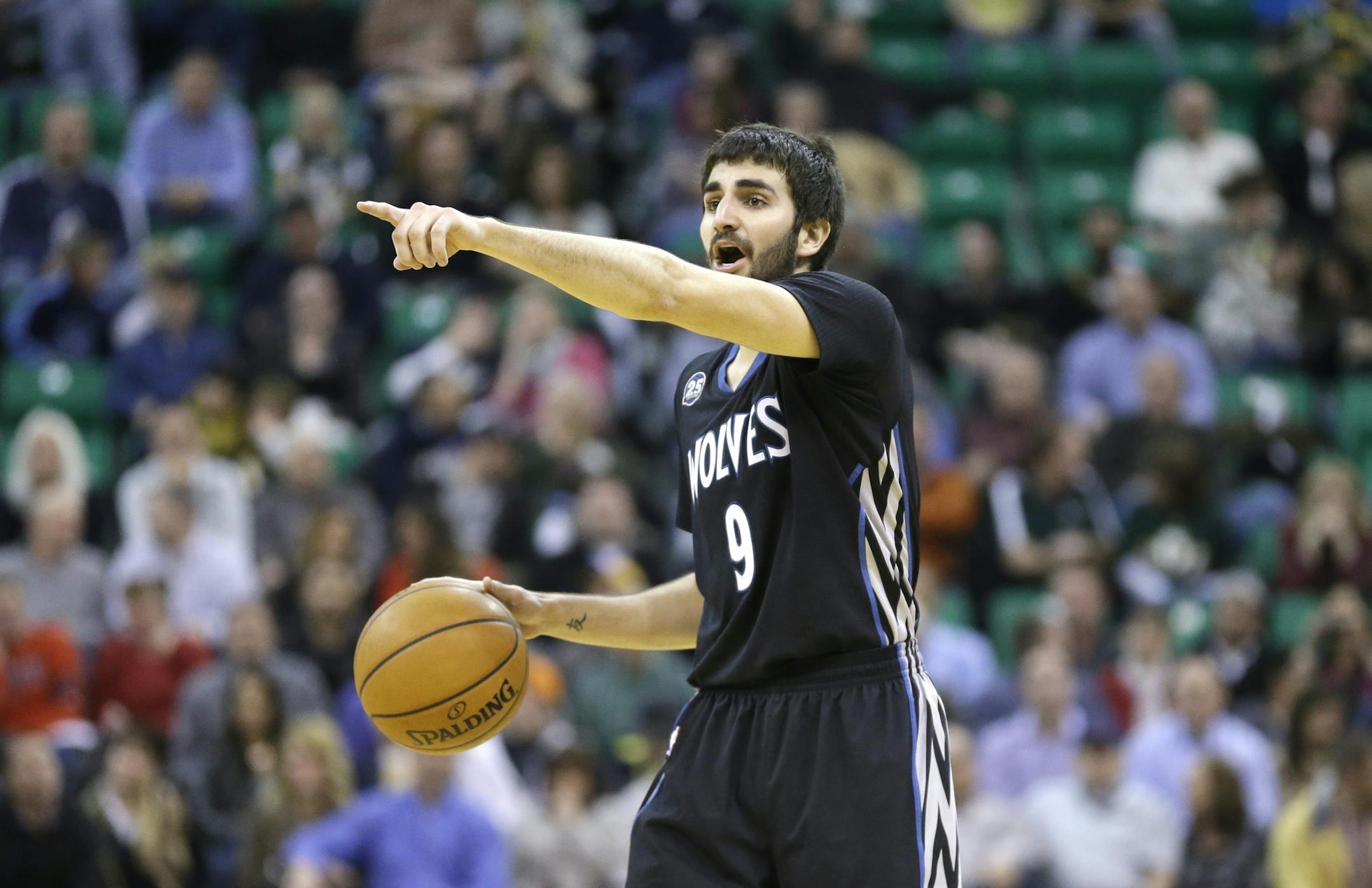
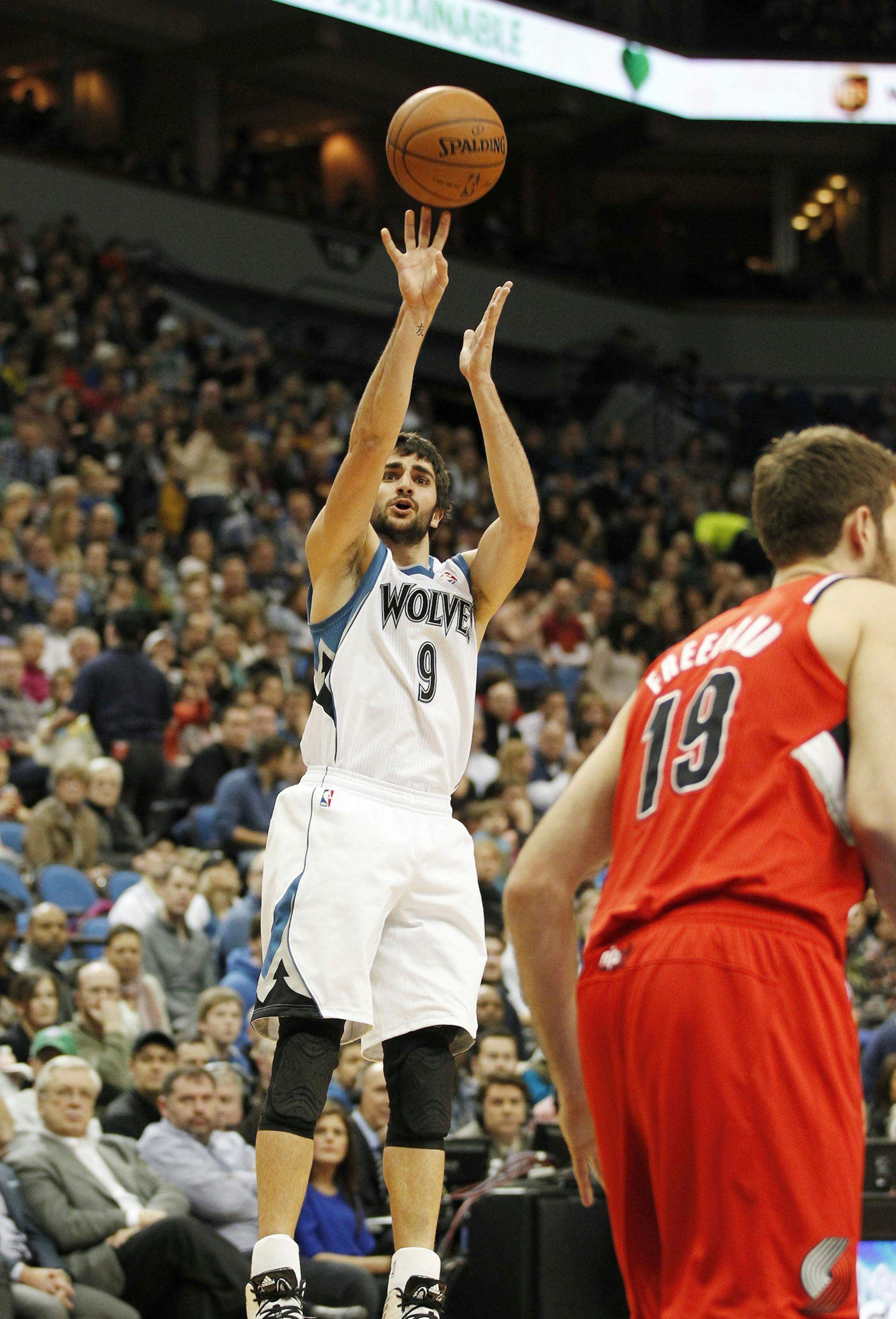
In the first eight minutes against Denver, Rubio hit all four of his shots — including pullup jumpers of 19 and 20 feet. He drove twice for layups while dishing out five assists — four of them on three-pointers. By the time he left for the locker room to get five stitches after taking an inadvertent elbow to the chin from Randy Foye, Rubio had either scored or assisted on 22 of the Wolves' 26 points.
This is the sort of game everybody wants from him, but the kind of game that hasn't come often enough. And Rubio knows it.
"I'm not worried, because I know what I have to do, and I'm working on it," Rubio said, fingering the stitches on his chin. "And it is going to come. I'm still young, 23. So I have time."
For all his strengths as a passer, his shot remains a weakness. Rubio is a career 35.9 percent shooter, having played 151 games and nearly 4,800 minutes in his NBA career. He is in his third season. His first was delayed by a lockout and ended because of a knee injury that also shortened his second season.
Since the league began, 61 players have played at least 5,000 minutes and shot 38 percent or worse, with 59 of those starting their career before 1966, according to Basketball-Reference.com. Rubio has had trouble finishing at the rim, and has struggled with his form on mid-range shots. His player efficiency rating — a metric first developed by current Grizzlies executive John Hollinger when he was working for ESPN — ranks Rubio 27th among the league's point guards.
Rubio's shot has been the stuff of endless analysis. He takes too long getting his mid-range shots off. He is too robotic. His shot lacks arc.
Flip Saunders, Wolves president of basketball operations, says he believes Rubio has unfairly become a lightning rod of criticism for a team that has been frustratingly inconsistent. Saunders brought the career stats of three other accomplished former or current NBA point guards — Jason Kidd, Steve Nash and Rajon Rondo — to a recent interview to offer proof that players sometimes take time to blossom.