

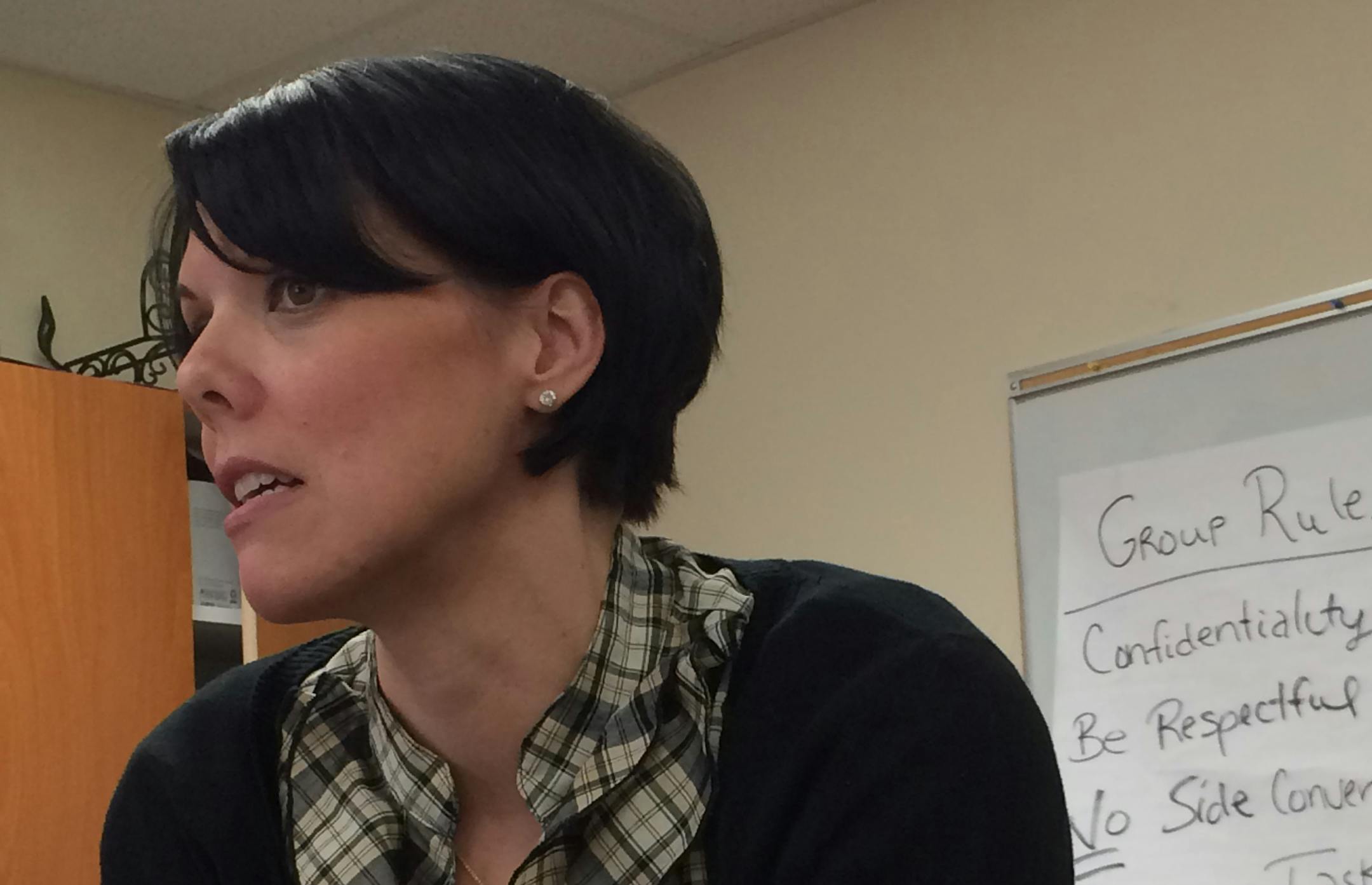
Nine girls, all eighth-graders at Brooklyn Center High School, carry their lunches into a conference room and grab a seat around a large table. They chat for a few minutes before their teacher, Haley Morgan Shepard, introduces an ice-breaking activity.
"Do you know anyone who is or has been in an abusive relationship?" reads one of the girls, pulling a question from a basket. Another teen is asked to "talk about a time when a guy was using you, or using a friend."
Warmed up, the girls shift to the subject of the day: HIV/AIDS transmission. It's a straightforward discussion about body fluids, with a moment of levity.
"What are ways to prevent it?" Shepard asks.
"No, thanks!" shouts one of the girls.
The hourlong lesson, which touches on abstinence and safer sex, abusive and healthy relationships, is comfortable, educational and likely life-changing for these girls who meet with Shepard weekly throughout the school year to build knowledge and confidence.
Teen pregnancy prevention efforts such as this one, with health mentors such as Shepard, are working incredibly well, giving Hennepin County legitimate bragging rights.
But instead of celebrating, program creators are scrambling.


