

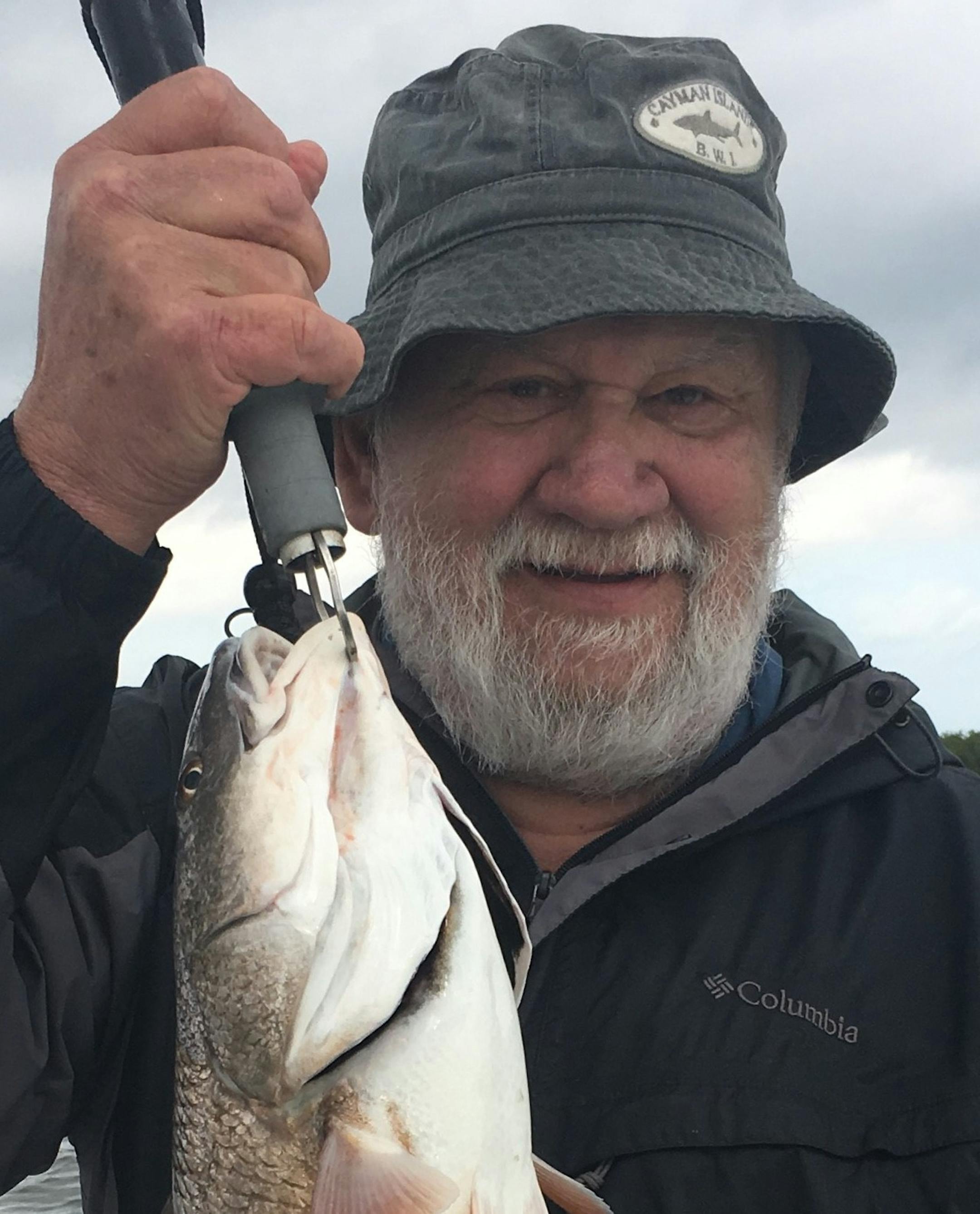
While it can often be difficult to sum up a person's life and work in a few phrases, it is especially so for Ronald L. Libertus.
Here's a start: University lecturer on American Indian art, history and film. Founder of the Minneapolis American Indian Center. Community liaison to art museums around the Twin Cities. Preserver of the state's wild rice crop. Russian interpreter and analyst in the U.S. Air Force. Runner and basketball player. Fisherman. Storyteller.
There was a common theme to many of the roles he held through the years: being an advocate for American Indians and an intermediary between their communities and other Minnesotans.
When museums from the Minneapolis Institute of Arts to the Walker Art Center to the Weisman Art Museum put together art exhibits of native artists, Libertus was often who they turned to for advice, contacts and interpretation.
"He was easy to talk with," said Lyndel King, director and chief curator at the Weisman. "I felt like I could ask a dumb question and he wouldn't laugh at me. … He was willing to share his knowledge in the spirit of wanting people to really understand native art and culture. He was proud of it and he wanted to share it."
Libertus (Gitchi-nibi) died on April 24, a little over a month after being diagnosed with acute myeloid leukemia. He was a few days away from his 80th birthday.
A lecturer for 16 years in the University of Minnesota's Department of American Indian Studies, Libertus used his classes to help demystify perceptions of native peoples.
"For most people in the United States, their only connection to Indians is through Hollywood," he told the Star Tribune in 1991. "I take a poll at the start of my class each quarter, and it's always the same: Everyone has seen movies about Indians, but they have not been to an Indian village, seen an Indian ceremony or had any other firsthand contact with Indians."


