
Ron Schara: Last cast for this scribe

Four decades of columns, ending with this one, have produced thousands of tales for an outdoorsman to relay.

January 6, 2008 at 4:57PM
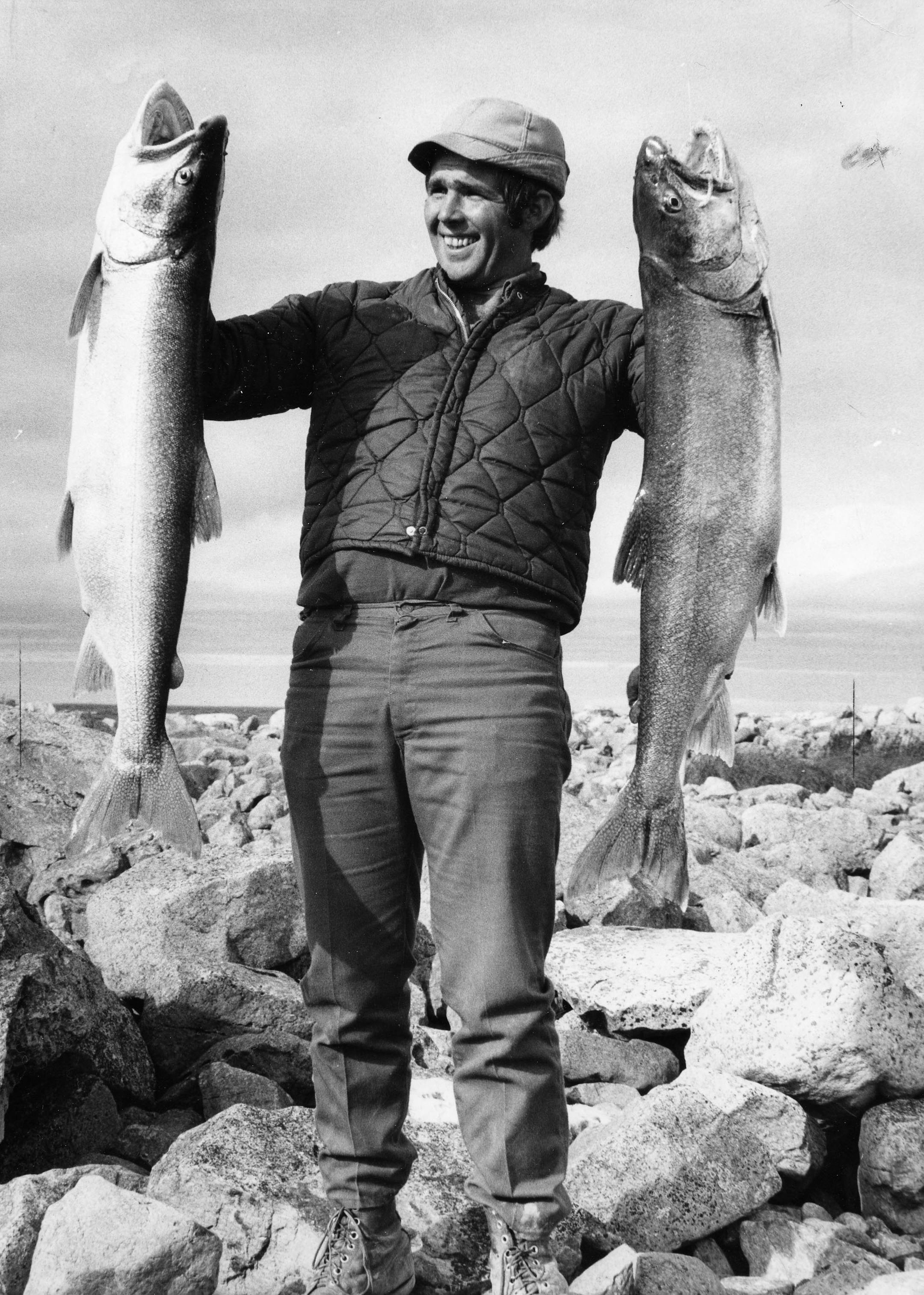
Ron Schara, with his bounty from Great Bear Lake, Northwest Territories, Canada.
Ron Schara, with his bounty from Great Bear Lake, Northwest Territories, Canada. (Star Tribune/The Minnesota Star Tribune)

Since I've been on this trail for a long time, the editors of this newspaper asked me to recall a few highlights of my outdoor experiences covering a span of 40 years.

This column, by the way, completes the four decades.

Now upon reaching the third sentence of this project, I find it's not a very easy assignment. I even thought about calling in sick and missing the copy deadline. In fact, I'm not sure reviewing four decades of one's life is a good thing.

It's kinda like writing your own obituary.

You want it to sound good without boring people who are alive. And you want to avoid any melancholy or sadness because, frankly, those 40 years were the best -- even if I didn't know it at the time.

I've also forgotten a lot over 40 years. I once wrote a fascinating column about a Minnesota farmer who'd won a very important wildlife conservation award. You look forward to seeing nice stories like that hit the Sunday paper. That Sunday was different because throughout the entire diatribe, to my horror, I had misspelled the farmer's last name. Who wants to remember stuff like that?

It's also true that over time, a man's fish tend to grow larger, his bucks bigger, and his importance to the world inflates. So, you'll have to bear with me.

My first story, written in January 1968 for the Sunday Peach section, was a nifty yarn about man's ingenuity coming to the aid of Minnesota's northern pike. In many Minnesota lakes, pike move into connected marshy waters in springtime to spawn. Sometimes, however, water levels drop quickly, and the adult pike and their young are trapped in the shallows, unable to return to deep water. When winter comes, the pike are destined to die from lack of oxygen.
But, wait, help was on the way. The DNR had launched a widespread pike rescue program, using water pumps to attract the pike into traps, thereby hauling and restocking the pike that nature was intent on destroying.

Saving pike seemed like a good thing to do. Years later, however, the DNR's pike rescue operations were cited as one reason so many lakes became overpopulated with stunted pike. Nature may have had a better plan; some pike hatches should perish, perhaps.

Looking back can be a good thing. History usually teaches us something.

Four decades ago, Minnesota's Legislature was debating the pros and cons of a wolf bounty. The bounty hunters lost. Forty years later, the state's timberwolves are off the federal endangered species list but wolf lovers opposed the delisting. The wolf lovers lost, too.

Writing columns about emotional topics, such as animal rights or gun control, was always difficult. Going into the deal, you knew you'd make one side spit like a nasty cat. Sometimes both sides of the debate disliked your logic.

I once suggested that hunters don't view firearms like others might. It's just a tool for hunting that needs to be used safely. After one such column, my managing editor called me into his office. He was curious, he said. Since I owned guns, he wondered, what did I think about killing people? Well, I answered, when I hold a gun I don't think about murder. I think about watching my muzzle so I don't shoot anybody.

If you wrote about disappearing wetlands or polluted rivers or bald eagles making comebacks, you were everybody's friend. My goal was always at the very least to be the warning label. Today, wetlands have more friends in high places, but they continue to disappear or degrade. We mistreat our rivers, but maybe not as awfully as, say, 40 years ago. Once down to a precious few, nesting bald eagle pairs in Minnesota are the highest in four decades.

We win some; we need to win more.

• • •

I remember the November the Minnesota deer season died. It was 1971. The state's deer population was so low, a hunting season could not be justified.

What happened? A combination of severe winters, liberal hunting of does (female deer) and declining deer habitat for years eventually caused the collapse.

In hindsight, the deer closure turned out to be a good thing. The DNR was forced to try new deer management ideas and the Legislature was forced to give state deer managers the flexibility, budget and authority -- to protect antlerless deer, for example -- to restore the herd.

Today, some deer hunters and others complain about the pitfalls of having too many does and small bucks. Compared to 1971, it's a good problem to have.

I also remember when there were few, if any, wild turkeys in Minnesota. The once-native bird was extirpated in the late 1800s.

I met my first wild turkey in the Black Hills as a young editor working for South Dakota's Game, Fish and Parks Department. It was an addictive experience. Arriving in Minnesota, I began to campaign on behalf of wild turkeys in the state's southeast. That campaign in 1975 led to the formation of the first Minnesota chapter of the National Wild Turkey Federation (NWTF). Hunter-conservationists, such as Les Kouba, John Clark, Ken Burgland, Bob Nybo, Bill Porter, John Beard and others, joined the turkey effort. As chapter founder, I agreed to serve as the first president. We had one chapter, but we raised thousands of dollars to almost singlehandedly finance the DNR's turkey program.

Today, Minnesota is celebrating 30 years of successful wild turkey seasons, and the state has dozens of NWTF chapters still raising dollars to support the bird.

• • •

Of all the turkeys I've known, only a few have been fishing partners.

I spent an afternoon fishing with Ted Williams, the late, great Red Sox player, in the Florida Keys. He pursued bonefish on the saltwater flats like they were a belt-high fastball in the middle of the plate. And if he missed the fish, he swore a blue streak as blue as I've ever heard.

Wally Schirra, the astronaut, was a fisherman and gentleman with an inquiring mind. A few minutes in the boat with Wally and you began to understand why he was selected for space travel. He also was a lucky angler.

Jack Lemmon wasn't funny. He enjoyed fishing, and he laughed at my stories.

I was introduced to baseball's Billy Martin by colleague Sid Hartman. Sid said Billy wanted to go fishing. So we did. To the St. Croix River. We were supposed to use Sid's boat, but the battery was dead. Sid rented a pontoon, and I ran it. Sid went back to the office. Billy and I started fishing. On his first cast, Billy landed a walleye. He said we should celebrate with a cocktail or two.

It was the last fish we caught that day.

Minnesota's most famous anglers, Al and Ron Lindner, were unheard-of fishing guides 40 years ago. One day they invited me to go walleye fishing with them so they could demonstrate a new gizmo. They called it a Lindy Rig. It consisted of a hook, a 36-inch piece of monofilament, a small swivel and a lead sinker shaped like a shoe.

Upon seeing their invention, I said I could see how it would help folks catch walleyes. In fact, Al, Ron and I nabbed a limit, 18 walleyes, that day on Gull Lake.

But, I wondered, why would anybody buy the rig when it seemed so easy to make for oneself? Al and Ron said they didn't see that as a problem.

Millions of sales later, they were right.

Mr. Walleye, Gary Roach, also was a rising hot rod four decades ago. The first time we fished together we caught nothing. That was probably the last time Mr. Walleye caught nothing. In the early 1970s, Gary also won the first bass tournament ever held in Minnesota.

I also tried my hand at tournament fishing. My peak moment was winning the Burger Bros. Bass Classic on Lakes Calhoun and Cedar and Lake of the Isles. It was a two-day event and attracted the best of the best: the Lindners, Ted Capra, Larry Bollig, Gary Lake and on and on.

I, the newspaper scribe, beat 'em all. How? Well, I never told this story, but a few weeks before the tournament, my competitor on the Minneapolis Star, Joe Hennessey, wrote a yarn about fishing on Lake of the Isles and catching a nice bass near the island. During the tournament, I checked out the island to discover a unique underwater point, which explained how Joe stumbled into his one fish.

I caught a limit on that spot and took all the credit.

My fishing stories are probably uncountable. I've caught a lot of fish, small, big and bigger.

But I've only quit smoking once. Yes, the first time I went fishing in Alaska was the time I also decided to give up cigarettes. I flew to Anchorage with my fishing rods and a shirt pocket of nicotine gum.

As you might expect, that first day of fishing in Alaska was especially painful and full of agony. Lack of a smoke? No, when my first day of fishing ended in Alaska, I had caught nothing. Zero. Zip. But the second day was better, and the third day without smokes was great; the fishing, too, and I haven't had a cigarette since.

Then, there was the time ...

• • •

Well, I've probably started to bore you. Like I said, a well-written obit shouldn't do that.

As others before me, I have come to realize that life is a journey, consisting of various trails to take. Some trails seem endless. Other trails eventually reach an end.

After 40 years, this trail of outdoor columns, filled with so many giant fish, huge bucks and glorious sunrises over the swamp, has finally run out of words.

It was my decision, and I'm comfortable with that.

Thanks for the company.

One more thing: Raven and I aren't walking off into the sunset. Check your local listings, as they say.

Lord willing, you'll still see us on the tube.

Ron Schara • ron@mnbound.com

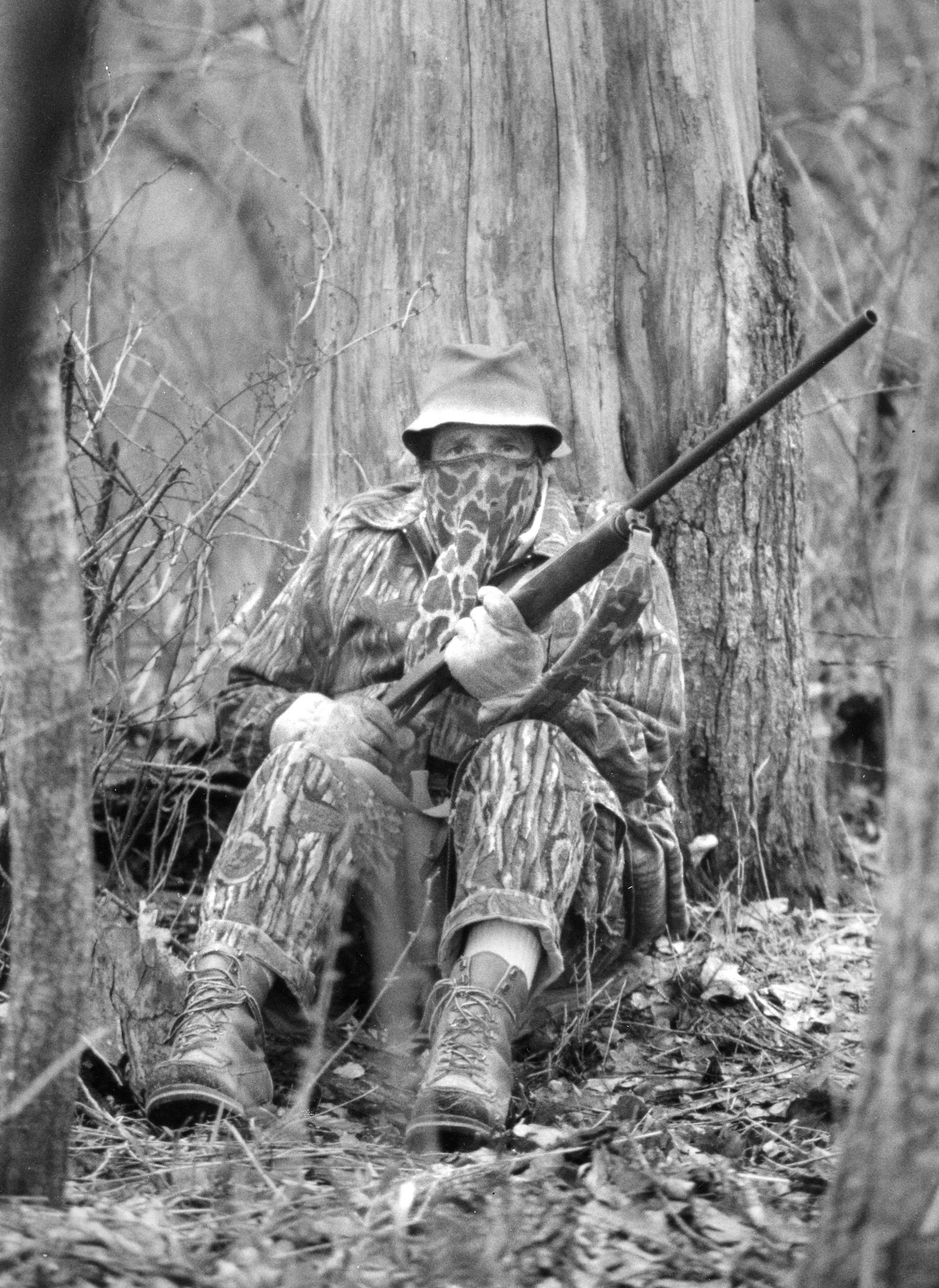
Ron Schara turkey hunting in 1992
Ron Schara turkey hunting in 1992 (Star Tribune/The Minnesota Star Tribune)
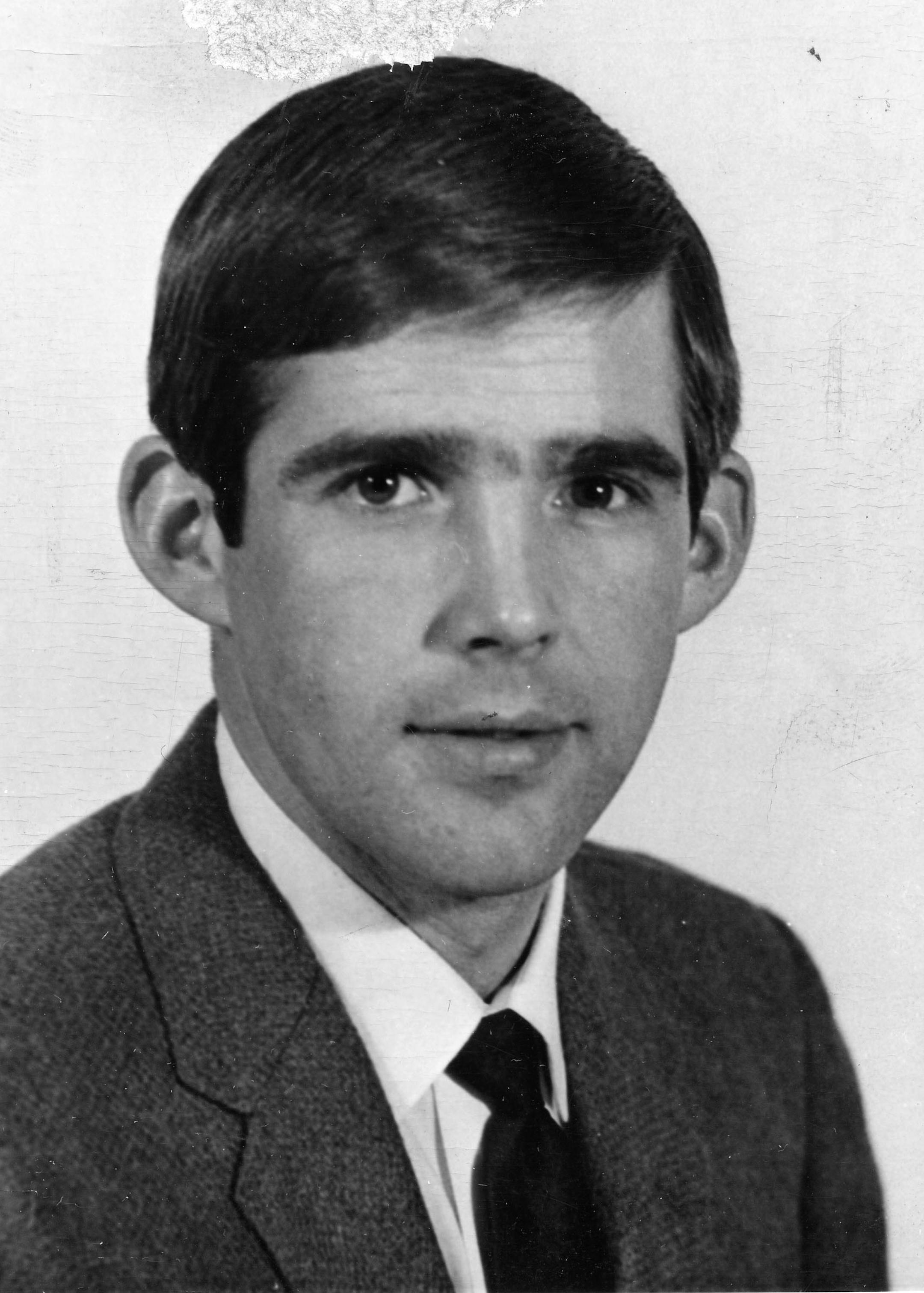
Star Tribune outdoors columnist Ron Schara in the late 1960s.
Star Tribune outdoors columnist Ron Schara in the late 1960s. (Star Tribune/The Minnesota Star Tribune)
about the writer

about the writer

RON SCHARA, Star Tribune

More from No Section

See More
card image
Alex Kormann/The Minnesota Star Tribune

Don’t sugarcoat this year. Work to make the next one better.