

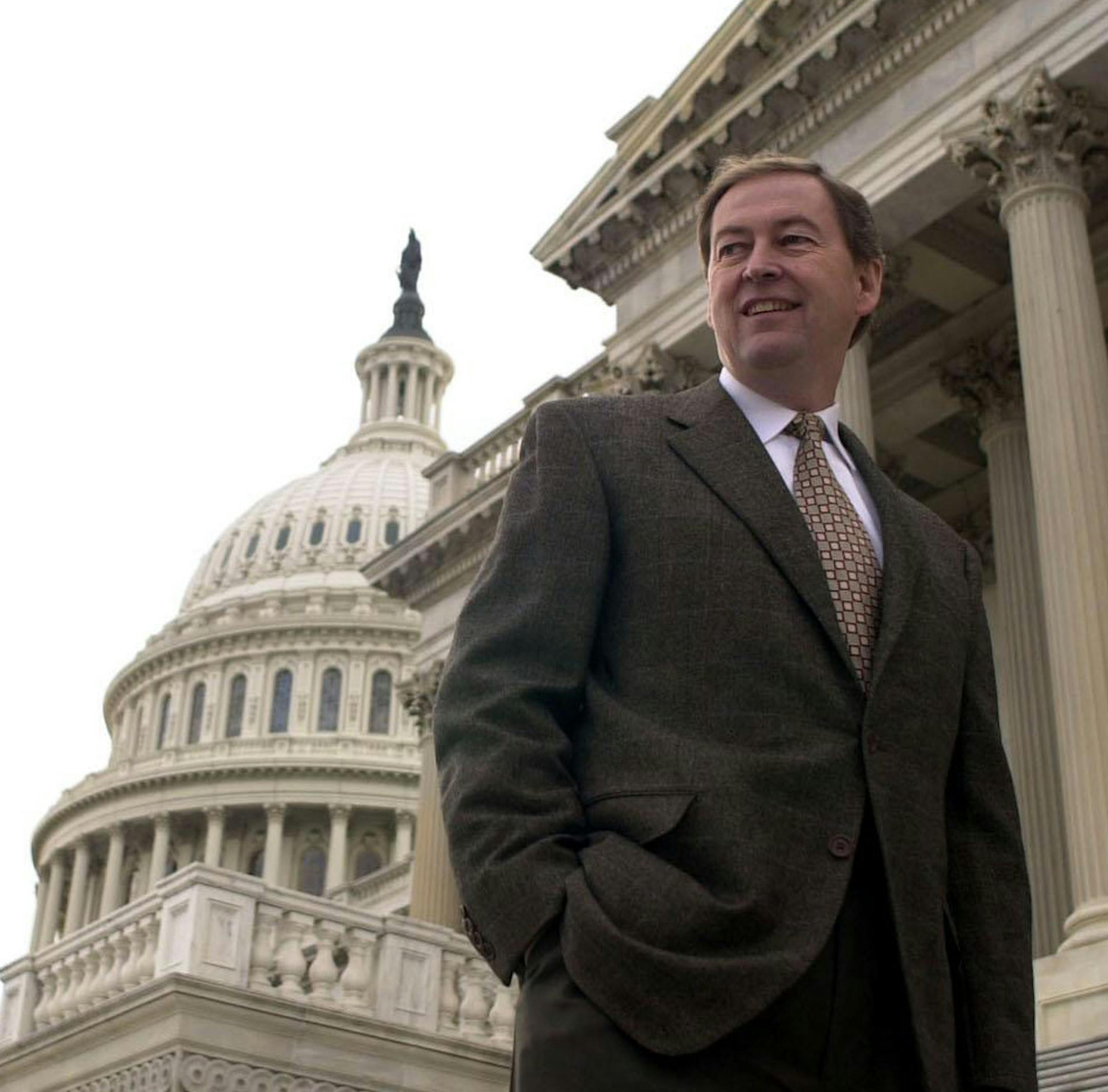
I first met Rod Grams 20 years ago, weeks after he was first elected to Congress.
Having just left a job on Capitol Hill to attend law school, I was a little skeptical about coming back to work for a freshman member in the minority. And, having had my fill of inflated egos in official Washington, I was more than a little cynical about meeting the latest "distinguished gentleman from the Sixth District of Minnesota."
As I entered the room, I saw a face I recognized from local television. As he introduced himself, I heard the rich, sonorous tones of the former disc jockey and news anchor. I braced myself for the "Ted Baxter turned politician" caricature I had dreamed up in my head: loud, bombastic, and overflowing with the false air of ego that comes with too many congratulatory pats on the back.
Instead, Rod was quiet. He cracked a few, self-deprecating jokes to cut the tension in the room. He listened patiently to my advice — advice he had already heard countless times. Instead of congressman-elect Grams, I had met Rod Grams. And I liked him.
Rod told me that he ran for Congress because of the burdens that federal regulations had placed on him as a small-business man. He told me there were a lot of people like him: quiet, struggling to balance their books or make ends meet, and wary of the government that promised to help but often hindered in practice. He wanted to be their voice in a Washington that only seemed to hear the loudest and most entitled.
"Most people don't have time to leave their jobs or their kids at home to march on Washington. They deserve to be heard, too," he would say with a shy smile.
As the most ardent anti-big-government politician ever elected to statewide office in Minnesota, Rod routinely stirred up a clamorous chorus of criticism — from political opponents, the Washington establishment and the media. He was often overshadowed by larger-(and louder)-than-life Minnesota contemporaries, like Jesse Ventura and Paul Wellstone.
Despite that, Rod persevered by continuing to represent the quiet people. As a freshman in Congress, he introduced legislation providing for a $500-per-child tax credit — taking up the mantle before most in Washington cared or even knew about the issue. But, as the family tax credit grew into the centerpiece of the GOP takeover in 1994, he let others grab the headlines and kept his nose to the grindstone.


