

Soon after annual sessions of the Minnesota Legislature began 40 years ago, an informal label was affixed to the even-year lawmaking exercises. They were called "bonding sessions," to contrast them with the biennial "budget sessions" in odd-numbered years.
That label should be revived in the session that's set to commence Tuesday. To be sure, bills authorizing the issuance of 20-year state bonds for capital improvements have lately been expected every year. But the Legislature's approval of a pathetically skimpy bill in 2013 — just enough to keep the Capitol's four-year renovation on track — should set up this year as an old-fashioned bonding-dominated session. No item on 2014 Capitol agendas is more important to the state's future than the authorization of a capital-improvements bill crafted to meet the state's growing infrastructure needs.
Legislators have fallen into some lazy habits in thinking about bonding, and in this election year voters are best positioned to ask why. We have a few suggested questions in mind:
• What's so magical about $1 billion? The state's first $1 billion bonding bill was proposed by Gov. Arne Carlson 16 years ago. Today, according to the Minneapolis Fed's inflation calculator, it would take $1.45 billion to pay for the projects that package contained.
Gov. Mark Dayton has proposed adding nearly $1 billion to the state's bonding authorization this year, in addition to last year's meager $176 million measure. But for reasons that appear to have more to do with political jitters than the state's infrastructure needs, Republican and several key DFL legislators say they won't go beyond $850 million this year, in order to keep the biennial total at or below $1 billion.
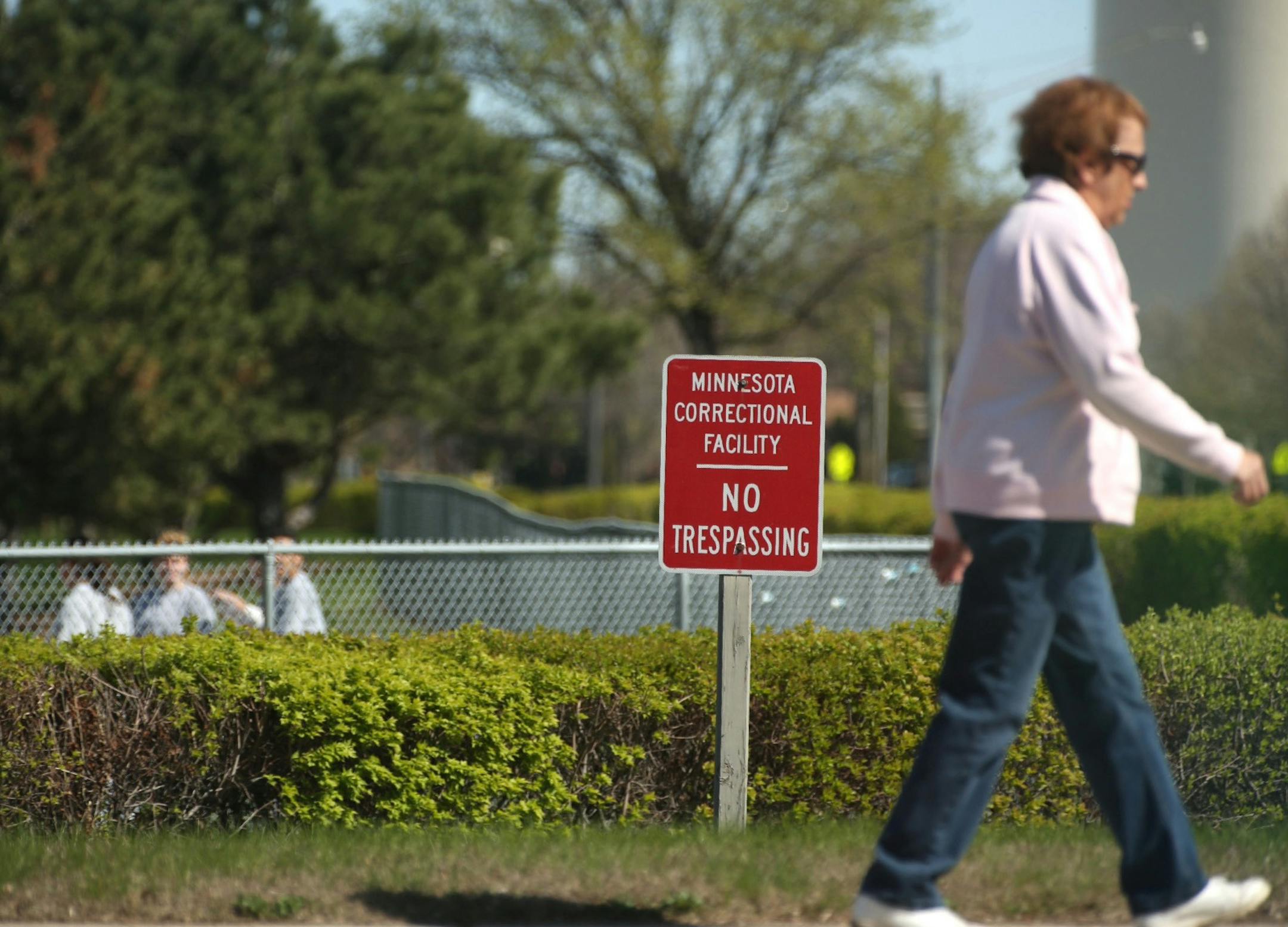
The result of that kind of thinking has been a growing backlog of worthy projects. For example: Rochester's Mayo Civic Center is back at the Capitol for the eighth year seeking help in upgrading a facility that brings visitors — and dollars — to Minnesota from around the nation. The women's prison in Shakopee is still waiting for a perimeter security fence, despite eight escapes since 1995. And the deferred-maintenance list on public college campuses keeps growing.
• Why so stingy with HEAPR? That's "higher education asset preservation and renovation," and it's what legislators evidently think can be slashed in every facilities request from the University of Minnesota and the Minnesota State Colleges and Universities (MnSCU). It's routine for legislators to authorize a third or less of what's requested for prolonging the serviceable life of campus buildings.
That's short-term thinking. Campus buildings that go unrepaired eventually must be replaced at higher cost to taxpayers. Meanwhile, outdated higher-ed facilities fail to attract the young brainpower that Minnesota's economy needs. Higher-education facilities should be about a third of this year's bonding package, and HEAPR should be at least a third of the total.


