

Opinion editor’s note: Strib Voices publishes a mix of guest commentaries online and in print each day. To contribute, click here.
•••
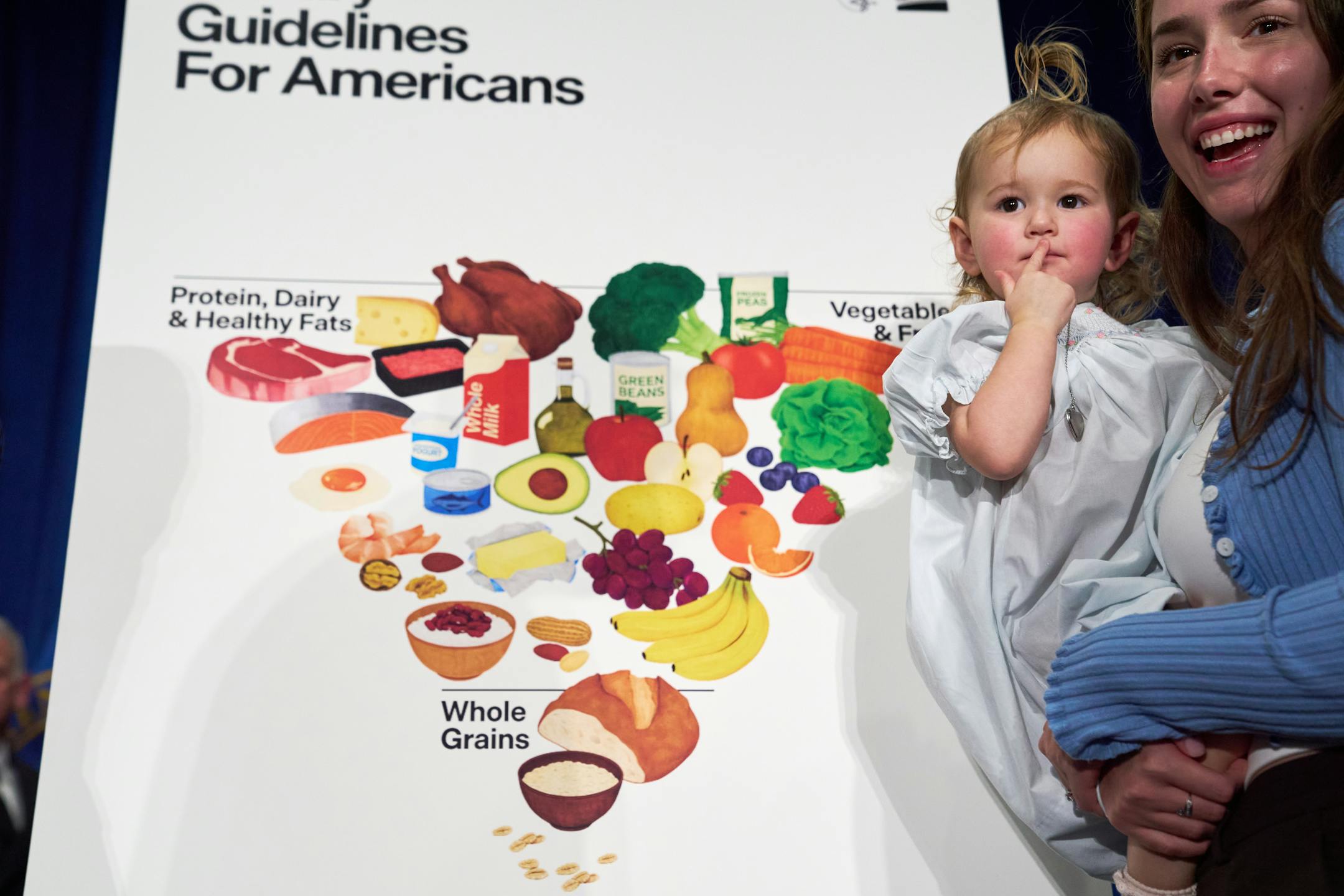
Our dinner tables have become a battlefield, thanks to U.S. Secretary of Health and Human Services Robert F. Kennedy Jr. Earlier this month, he abruptly upended the food pyramid, elevating meat and dairy to the top.
This reversal of decades of scientific consensus — which has increasingly prioritized plant-based proteins — has left the public with a whiplash-inducing question: In a world of conflicting headlines, what are we supposed to believe?
The answer is not found in a new pyramid, but in understanding why our nutritional guidance has become such a maze of misinformation. We are currently witnessing an erosion of public trust driven by the field’s inherent complexity and a communication gap.
To understand why dietary advice shifts, one must first appreciate that recommendations about what to eat are not the same as prescribing a pill to treat an ailment. Unlike a single drug with a specific mechanism, nutritional science investigates the lifetime intake of nutrients across varied diets.
This reality has led to the concept of the “food matrix.”
We now know that the biological effect of saturated fat in cheese may differ fundamentally from the same fat found in a processed pastry. Similarly, the “replacement effect” dictates that the health impact of reducing one nutrient depends entirely on what replaces it. For example, replacing saturated fats with polyunsaturated fats lowers cardiovascular risk, but replacing saturated fats with refined carbohydrates may not be beneficial. This nuance is often lost to a public that expects black-and-white answers.


