

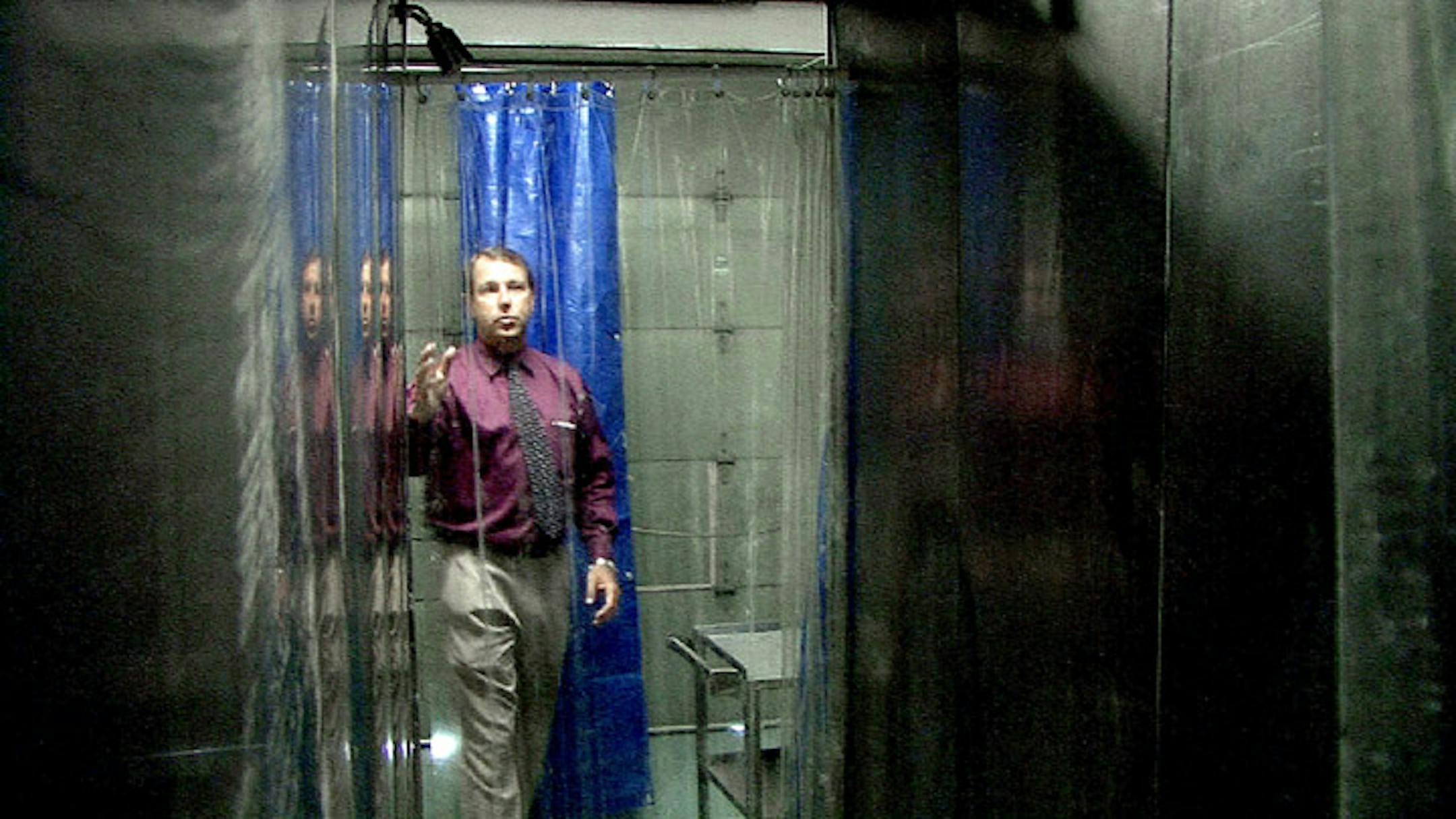
It was a weekday morning like any other at United Hospital in St. Paul. Then the wounded began staggering in. A dirty bomb had gone off at a big event nearby.
Medical personnel scrambled to set up decontamination showers in an ambulance garage. Others donned head-to-toe hazardous materials protection suits. Pagers beeped madly as doctors and nurses rushed to help victims.
Luckily, none of it was real. It was just the latest drill by metro hospitals in more than a year of preparation for medical calamities in advance of the Republican National Convention, which comes to the Twin Cities Sept. 1 to 4.
In many ways, Minneapolis and St. Paul have never been more prepared. Like most U.S. cities, the Sept. 11, 2001, terrorist attacks were a wake-up call that spurred significant disaster planning. Then there was the Aug. 1 collapse of the Interstate 35W bridge, when emergency services and hospitals won kudos for their prompt responses.
"Compared to [emergency preparedness] 20 years ago," said Rick Huston, director of operations at Regions Hospital in St. Paul, "it's like night and day."
Unlike hotels, bars and restaurants, hospitals aren't exactly publicizing these services or dangling deals for convention attendees.
But they're doing just as much to gear up for an expected surge in clients because of the sheer number of visitors headed to the Twin Cities. These could be people coming into urgent care with something as simple as a sprained ankle, tear-gassed protesters, or -- in a worst-case scenario -- victims of a full-blown terrorist attack.
"We're prepared and ready to go if needed," said David Miller, vice president of operations at United Hospital, "though we're feeling sure we're not going to be needed very much."


