

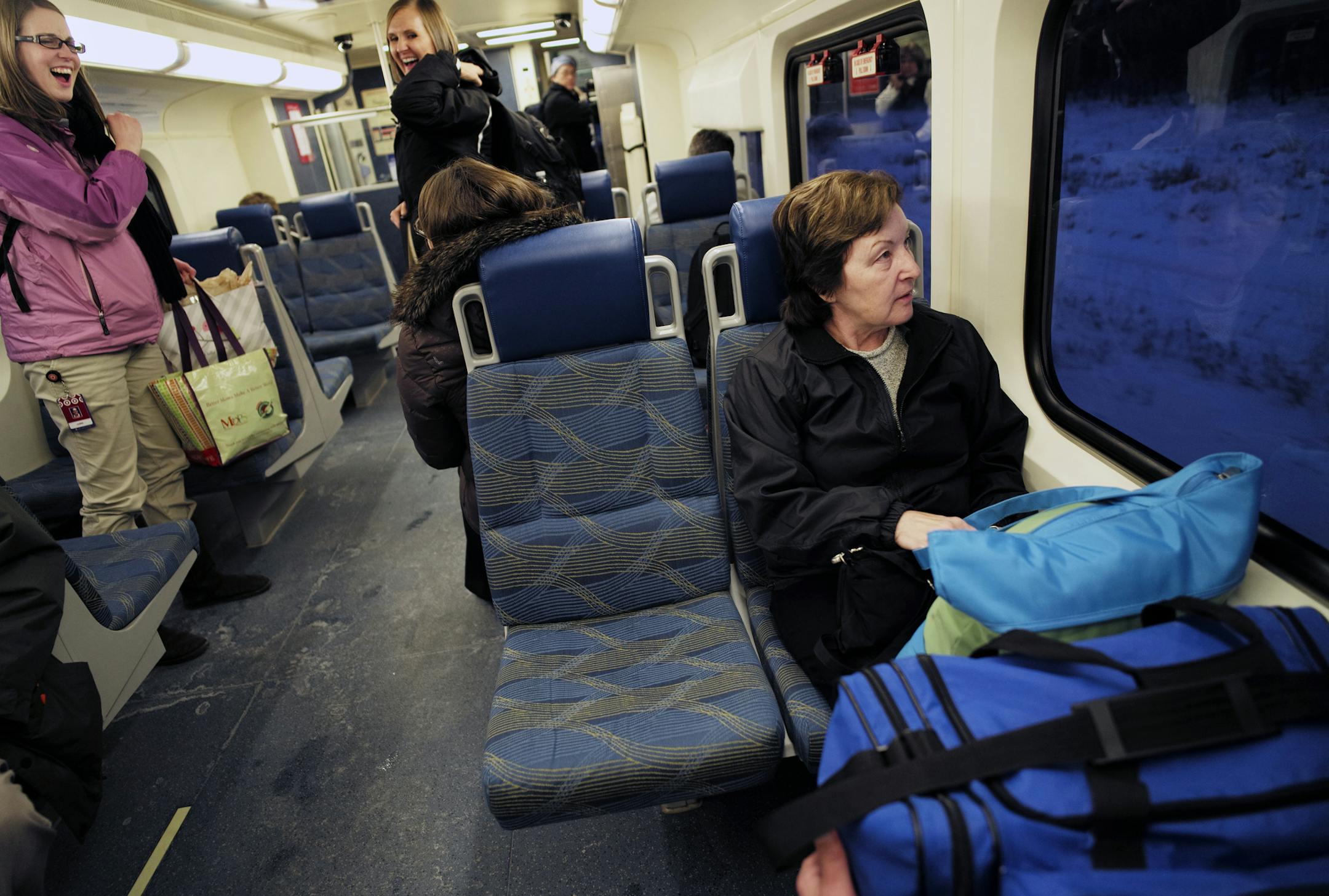
Elise Mead is part of a new generation of transit riders who will help make or break the struggling Northstar commuter line.
"It saves me a ton of money," Mead, 22, of Andover, said one afternoon last week as she rode the 3:57 from downtown Minneapolis.
Yet one person's savings can be another's expense.
Slashing fares encouraged more people to ride the Northstar this year, but the cuts nearly wiped out the revenue gains from the extra riders.
As a result, Northstar's government subsidies remain among the highest in the nation, paying for roughly 83 percent of the commuter line's cost.
"It's a little rich," said Steven Polzin, a director at the Center for Urban Transportation Research at the University of South Florida.
The Northstar's problems are largely rooted in its 40-mile route. The original plan was for it to run from downtown Minneapolis into St. Cloud, but lack of federal money forced it to end about 25 miles away in the much smaller community of Big Lake.
"It makes a lot more sense for it to terminate in a population center," said St. Cloud Mayor Dave Kleis, who promoted that plan when he was in the Legislature. "It should have happened."
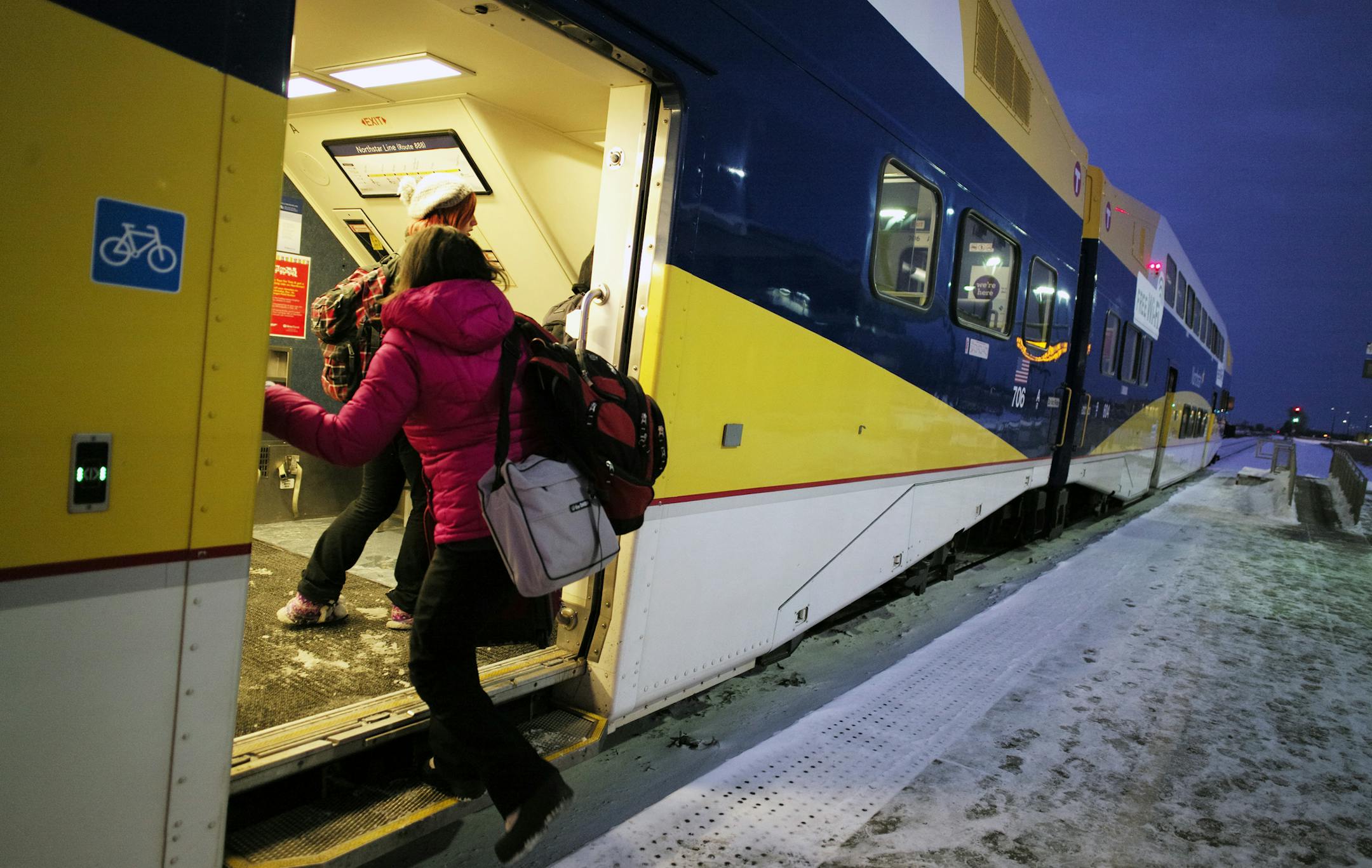
![On the heavily subsidized Northstar, Larry Longmore of Elk River likes to take train home because it is relaxing and saves on wear and tear on his vehicle.]richard tsong-taatarii/rtsong-taatarii@startribune.com](https://arc.stimg.co/startribunemedia/WQP5HPOXZY2XGLZYJLOF7RUEAM.jpg?&w=1080)


