

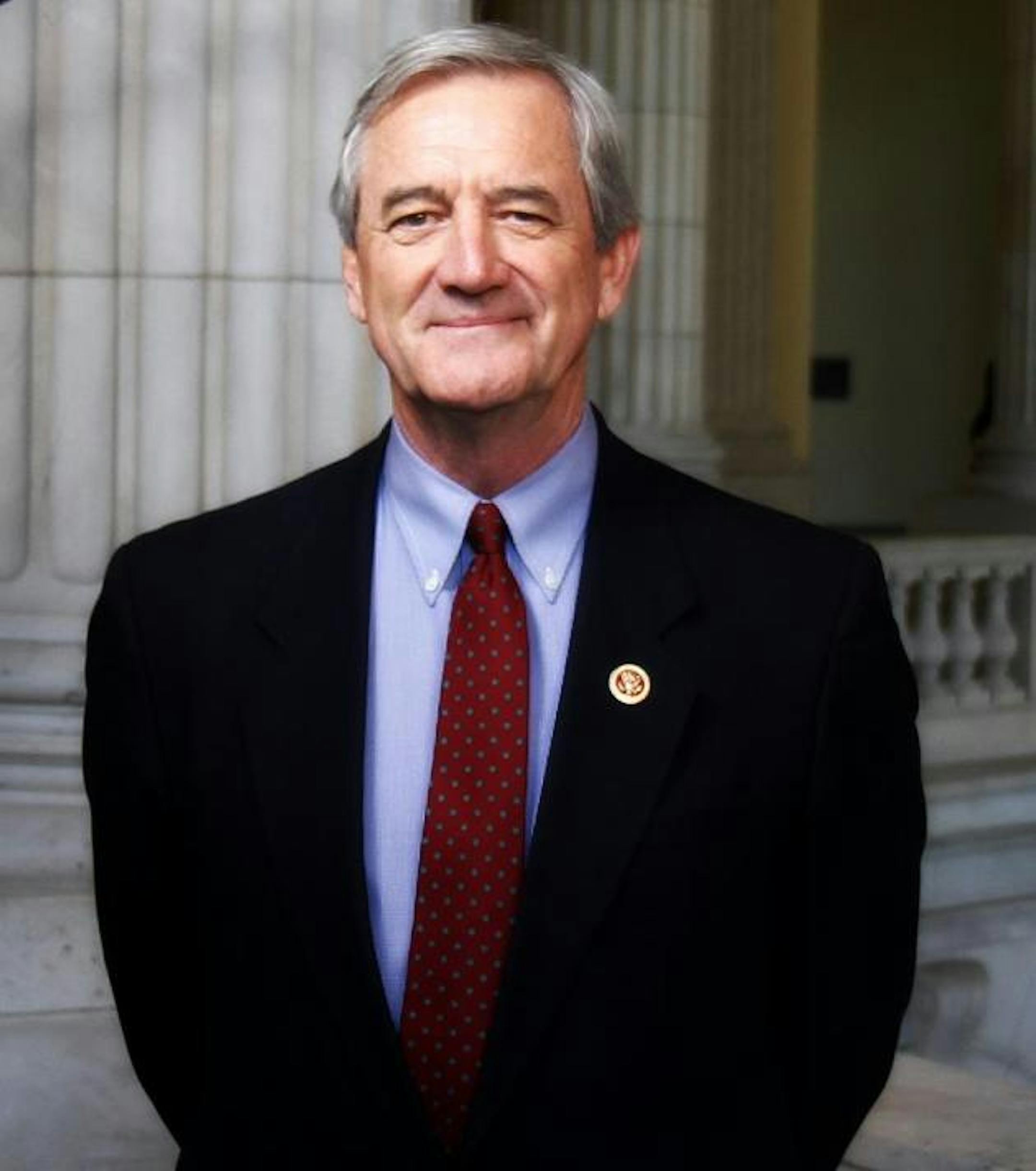
Forgive residents of Northern Minnesota's 8th Congressional District some sense of disorientation. Since 2010, the district elected as many new congressmen as it had in the previous six decades. After former Rep. Chip Cravaack scored the region's biggest Republican upset in three generations, defeating longtime Rep. Jim Oberstar, Cravaack lost by 9 points to current Rep. Rick Nolan (D-MN8) in the 2012 race. Now Nolan, the "comeback Congressman," faces another tough race against Brainerd area businessman Stewart Mills, who one national publication has dubbed "the Republican Brad Pitt." Should Mills win, the district would rightly be considered a political metronome.
Congressional campaigns here in the North Woods were once sleepy affairs involving stately billboards along highways that Oberstar had built, and sacrificial Republicans hoping in vain to maybe, just maybe, break 40 percent. Now, Northern Minnesotans live in a swing district. Or at least we might. It's hard to say because the district is in the midst of a great deal of change.
Quite simply, Nolan, Mills and Cravaack at one time, all hail from a part of the state that only entered the 8th district later in the career of Jim Oberstar. The district became vast, and diversified greatly from the time it was known as "the Duluth and Iron Range" seat. Such is the result of demographic and population shifts that not only changed the size of the district, but its political composition as well. This, coupled with the erratic turnout patterns of liberals in midterm elections, was the main reason for Oberstar's shock defeat in 2010 and the district's continuing unpredictability.
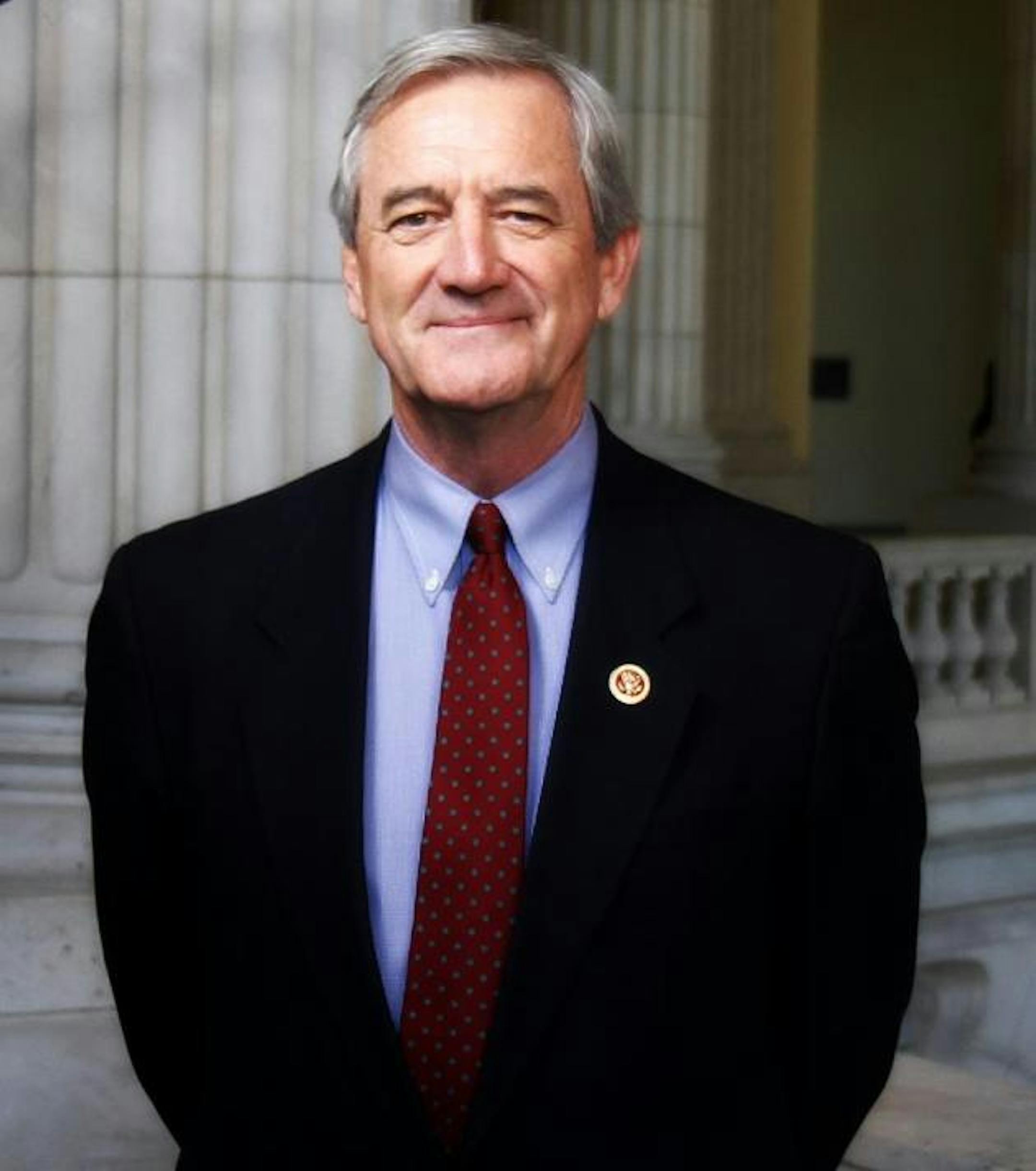
As 2014 began, Nolan was considered safer than your average Democratic incumbent. He still is, on paper, though recent press and a rush of Mills ads suggest that Nolan might be watching his theoretical lead erode. That's certainly the feeling evident in this recent Roll Call piece by Colin Diersing (I'm quoted therein explaining Nolan's aversion to the amount of fundraising expected of current members of Congress, which has grown exponentially since he first served in Congress from 1975-80).
To his credit, Nolan has managed to more or less keep pace with Mills in fundraising, but just barely. It's clear that not only will Mills and Nolan raise and spend a million bucks each, outside groups will be pouring in a greater amount of money as the campaign wears on.
One advantage Nolan has is the fact that Gov. Mark Dayton and Sen. Al Franken, both Democratic incumbents, seem to be faring pretty well right now. If they manage to stay ahead in their races, or even expand their leads, Nolan might be carried along with them. But since the DFL base is gelling around the Twin Cities, both Franken and Dayton could win without the votes Nolan needs to prevail in his race. This is Nolan's special challenge, and it has vexed him and his staff for more than a year.
Case in point: mining. Because the Eighth District is still perceived as the "Duluth and Iron Range" seat, even though that's now only half true, there is a continued misperception that this race will turn on whether or not Iron Rangers who seem to overwhelmingly support controversial new copper/nickel mining projects view Mills or Nolan as the better champion of their cause. I say misperception because, as I've stated before, mining might move a couple thousand votes on the Range, but many, many more Democratic votes rest in Duluth, where these mining projects are much less popular. And more votes still lie in the southern part of the district, where mining is viewed with relative ambivalence, except as an issue that some Republicans hope to exploit.
But the drumbeat on mining forced Nolan to make the "safe" political vote in supporting a Republican pro-mining provision on a bill that passed the House but died in the Senate last year. In the process, he angered some of his staunchest DFL environmental allies, and now walks a tightrope in explaining his precise position.


