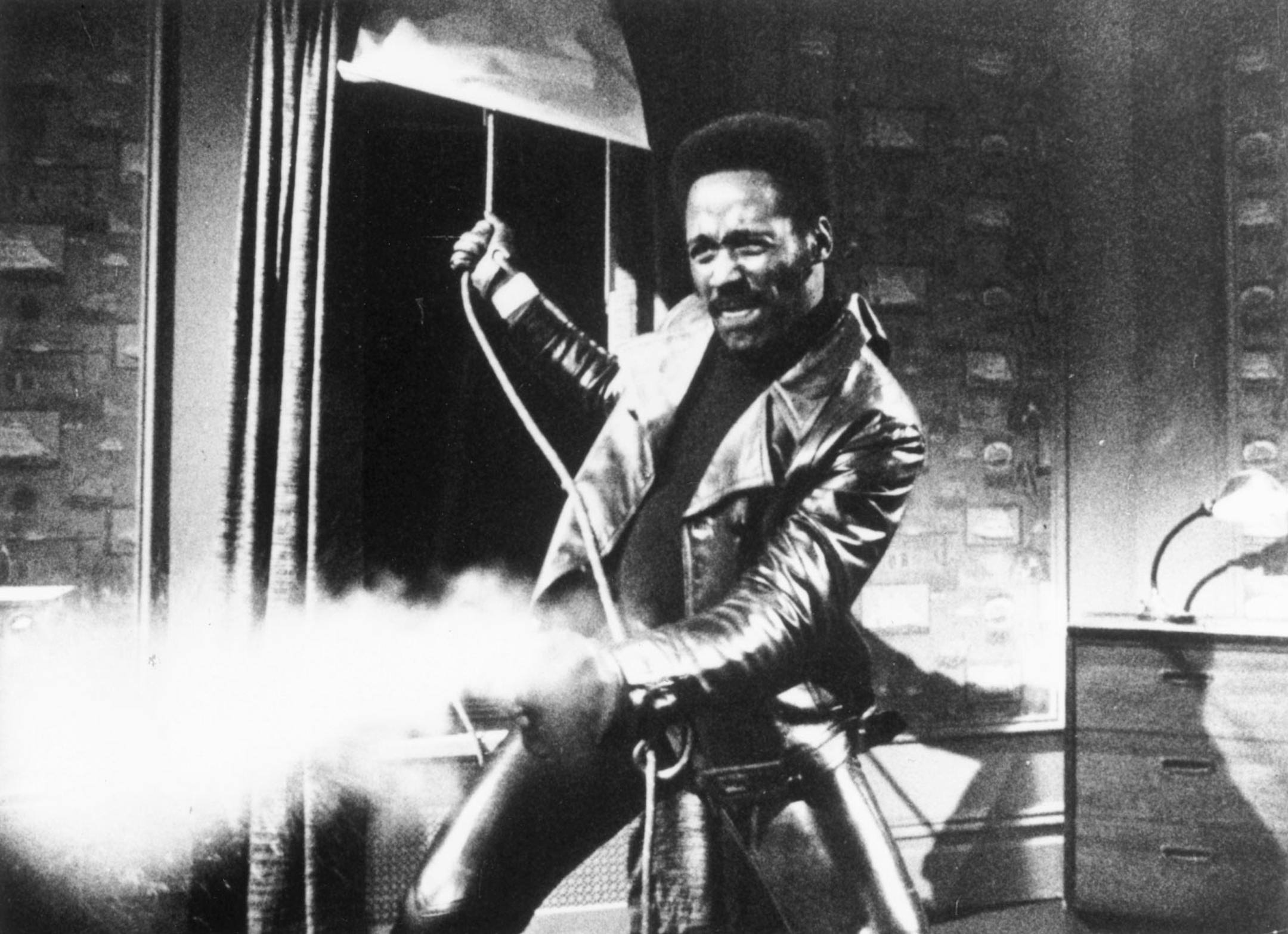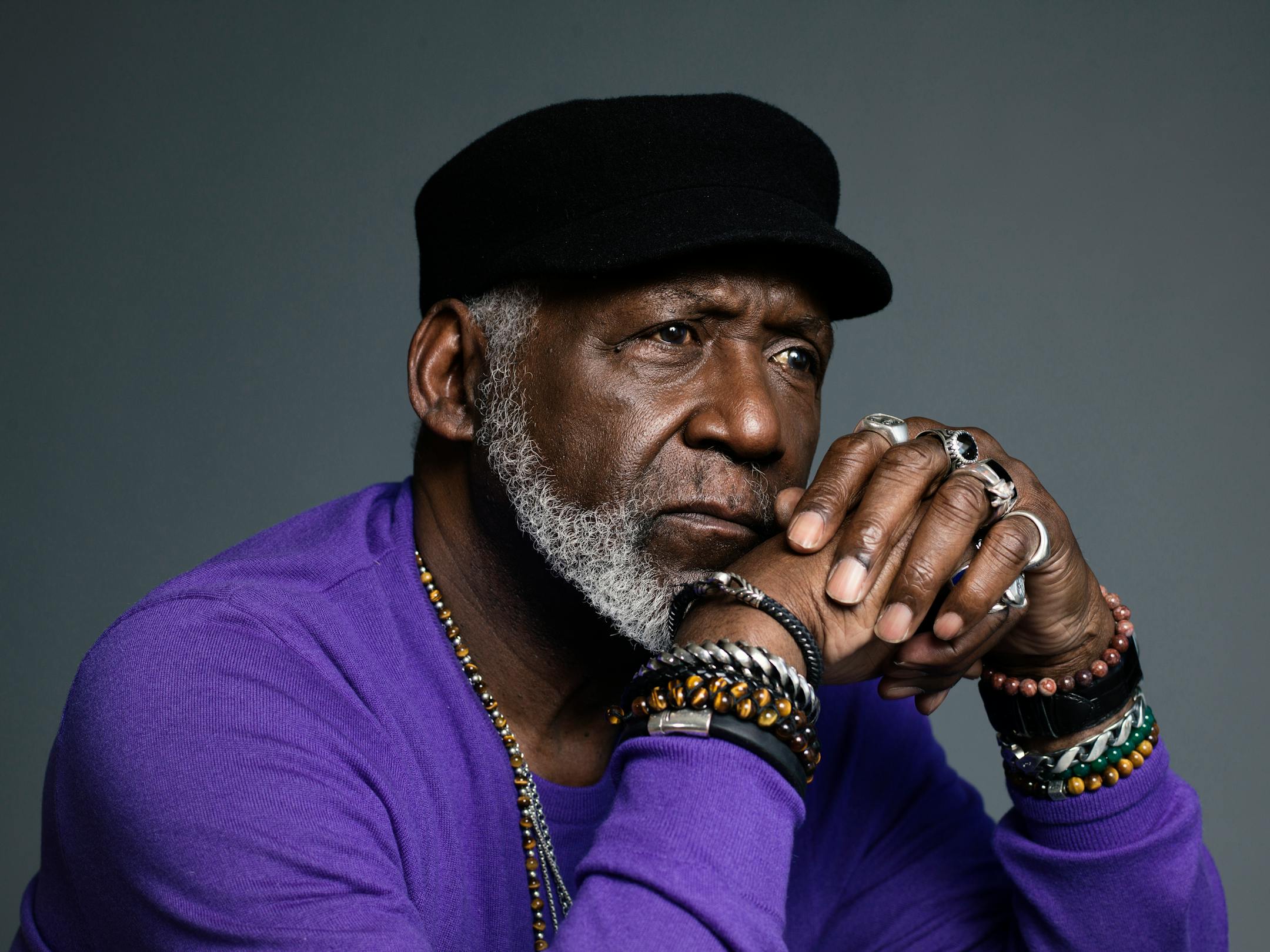
Richard Roundtree, the actor who redefined African American masculinity in the movies when he played the title role in "Shaft," one of the first Black action heroes, died Tuesday at his home in Los Angeles. He was 81.
The cause was pancreatic cancer, said his manager, Patrick McMinn, who said that it had been diagnosed two months ago.
"Shaft," which was released in 1971, was among the first of the so-called Blaxploitation movies, and it made Roundtree a movie star at 29.
The character John Shaft is his own man, a private detective who jaywalks confidently through moving Times Square traffic in a handsome brown leather coat with the collar turned up; sports a robust, dark mustache somewhere between walrus-style and a downturned handlebar; and keeps a pearl-handled revolver in the fridge in his Greenwich Village duplex apartment. As Roundtree observed in a 1972 article in The New York Times, he is "a Black man who is for once a winner."
In addition to catapulting Roundtree to fame, the movie also drew attention to its theme song, performed by Isaac Hayes, which won the 1972 Academy Award for best original song. It described Shaft as "a sex machine to all the chicks," "a bad mother" and "the cat who won't cop out when there's danger all about." Can you dig it? The director Gordon Parks' gritty urban cinematography served as punctuation.
A fictional product of his unenlightened pre-feminist era, Shaft was living the Playboy magazine reader's dream, with beautiful women available to him as willing, downright grateful, sex partners. And he did not always treat them with respect. Some called him, for better or worse, the Black James Bond.
He played the role again in "Shaft's Big Score!" (1972), which bumped up the chase scenes to include speedboats and helicopters and the sexy women to include exotic dancers and other men's mistresses. Shaft was investigating the murder of a numbers runner, using bigger guns and ignoring one crook's friendly advice to "keep the hell out of Queens."
In "Shaft in Africa" (1973), the character posed as an Indigenous man to expose a crime ring that exploited immigrants being smuggled into Europe. Filmed largely in Ethiopia, the second sequel lost money and led to a CBS series that lasted only seven weeks.