Voroshilovgrad
By Serhiy Zhadan. (Deep Vellum, 403 pages, $15.95.)
There are books that grab a reader's interest in the first couple of pages. This isn't one of them. But if you have a little patience and can accept that a young man named Herman is the central character of a book set in the Ukraine, "Voroshilovgrad" turns into an entertaining tale. Albeit with a slow where's-this-going? opening.
When his brother suddenly disappears, Herman returns to his hometown for a day to check on his brother's gas station. Only he winds up staying. Local hoods working for a "corn guy" insist that he sell them his property. Herman, a bit of a smart aleck, takes umbrage. He bonds with Kocha, an aging former soldier who likes his booze and lives in a trailer by the gas station where he does odd jobs, and Injured, a former soccer star turned mechanic.
Meanwhile, Herman, a self-described "independent expert," faces one challenge after another. With his old buddies, he plays in a soccer match against the hated natural gas workers, which seems headed for a brawl. He attends a gypsy funeral, where he gets "close" to both daughters of the deceased. A band of nomads rescues him while he's trying to hide from the bad guys.
Too much info? Nee (as they say in Ukraine), there's much more. Trouble keeps finding Herman, and it's hard not to root for him.
ROMAN AUGUSTOVIZ, sports copy editor
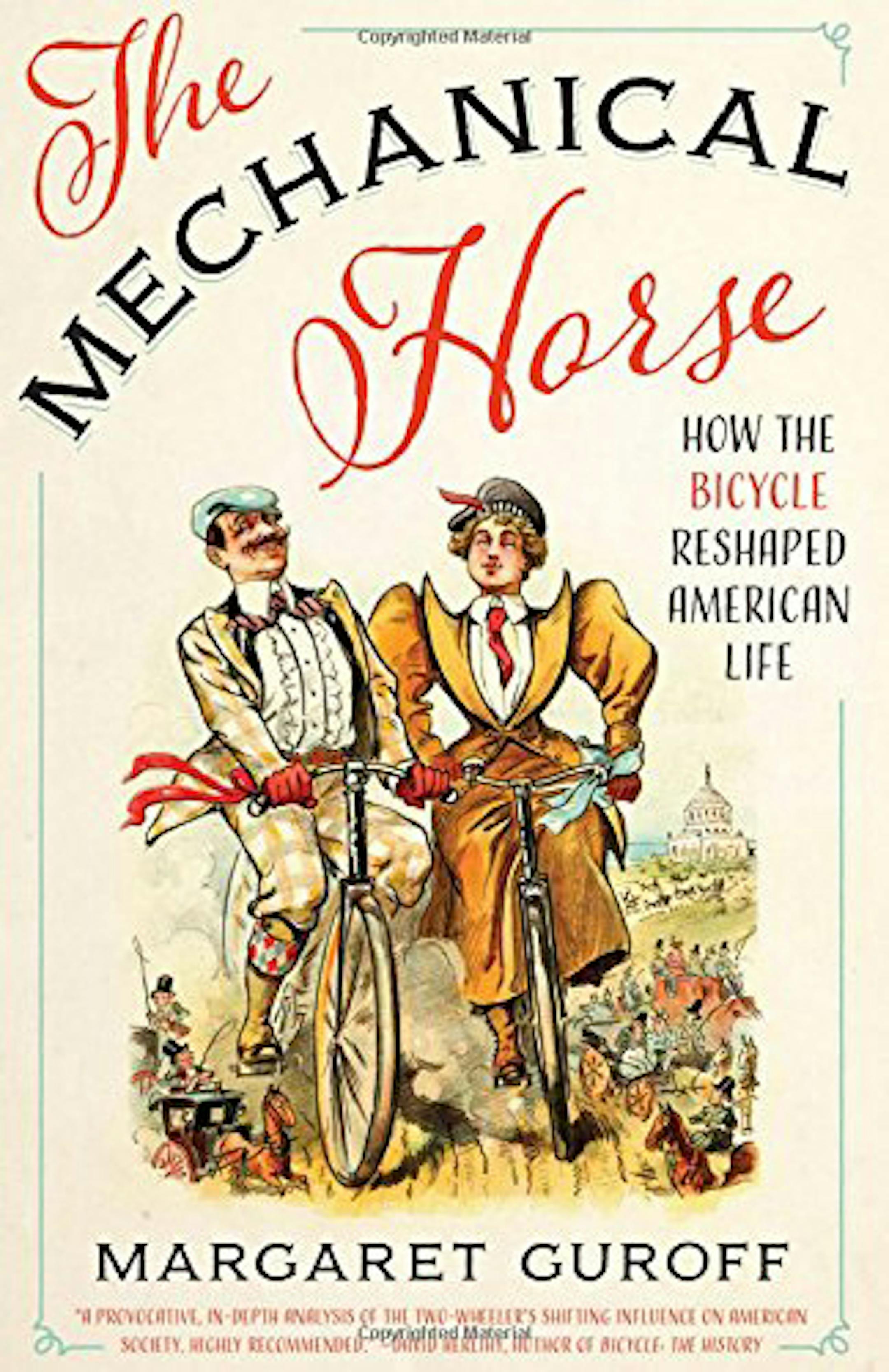
The Mechanical Horse
By Margaret Guroff. (University of Texas Press, 166 pages, $24.95.)
Who knew that besides representing a marvel of mechanical efficiency, the bicycle also has a fascinating social history? It turns out that its story is a very readable tale of social change in America, dating back to the 19th century, when the new contraption wrought changes in social mores for women, who adapted clothing and sought to cycle in unchaperoned company, all the way to the 1970s, when it blossomed with the environmental movement.